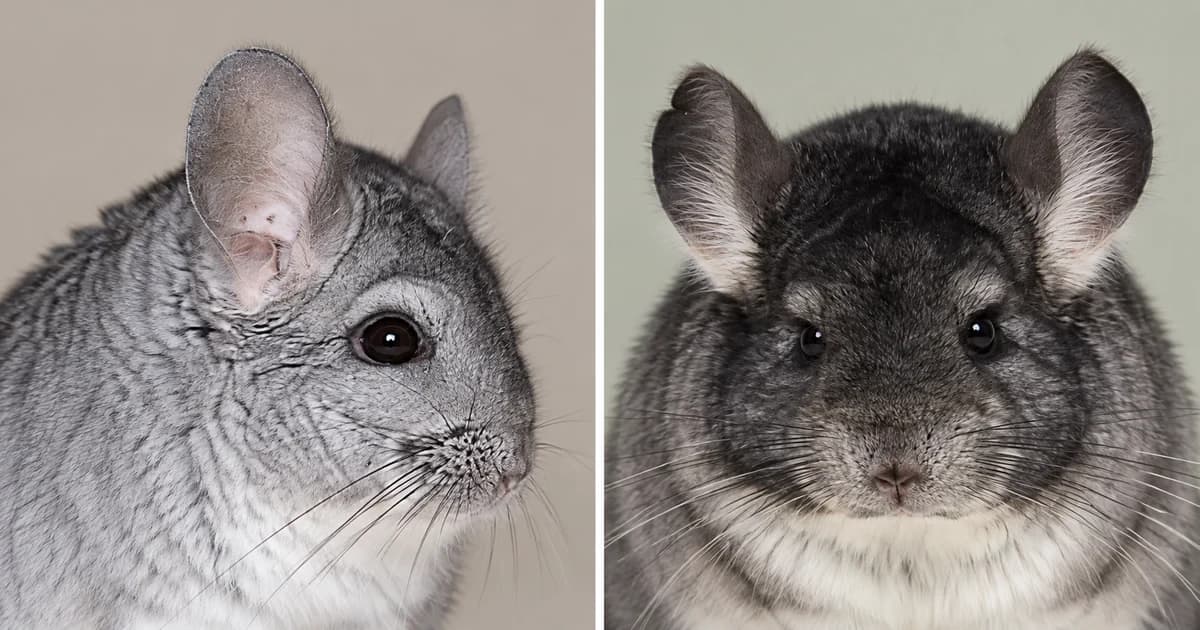
Knowing how to keep a chinchilla entertained means rotating optional activities by their purpose—exploring passages, gnawing safe chew items, and moving across ledges—one change at a time while keeping familiar resting boxes and hiding refuges open, ensuring added items never block food, water, or dust-bath access, and limiting any uninterrupted vertical fall to 60 cm as advised by the PDSA and RSPCA housing guides.
Choose activities by role and verify materials first
The PDSA chinchilla home guide recommends offering cardboard boxes, tunnels, and tubes for exploring and hiding alongside interactive toys that you swap periodically so the environment stays interesting without becoming crowded.
The RSPCA chinchilla housing guide lists wooden, rope, cardboard, and pumice chew toys and advises against plastic toys. Select each enrichment item by the specific role it serves—a passage to investigate, an object to chew, or open space to hop and climb—and remember that a general material word like “wood” or “rope” never certifies an unknown item’s paint, glue, or chemical treatment. Use only items made specifically for chinchillas and leave any uncertain material out of the enclosure.
| Activity Role | Examples Named in PDSA & RSPCA Guides | Pre-Offer Safety & Layout Check |
|---|---|---|
| Passage to investigate (Exploration & cover) | Cardboard boxes, tunnels, and tubes for exploring and ducking into (PDSA home guide) | Place without removing permanent resting boxes or blocking routes to hay, water, or companions' escape paths; remove if soiled or sharp-edged. |
| Item to work on (Chewing & gnawing) | Chinchilla-intended wooden, rope, cardboard, and pumice chew toys; avoid plastic toys (RSPCA housing guide) | Do not use items with unknown coatings, varnishes, glues, or prior chemical treatments; swap one optional chew item at a time and inspect for fraying or splinters. |
| Space to move (Climbing & jumping routes) | Multi-level platforms and open floor/ledge pathways arranged so any uninterrupted drop stays within 60 cm (PDSA & RSPCA housing guides) | Recheck overlapping shelf positions after moving any tunnel or toy so no gap allows an uninterrupted fall greater than 60 cm and essential stations stay unobstructed. |
Check space and the 60 cm fall limit before offering
Whenever you add or reposition a tunnel, box, or hanging chew, check the vertical drop above and below it: both the PDSA and RSPCA housing guides state that an uninterrupted fall inside the enclosure must not exceed 60 cm. Use our chinchilla enclosure guide to plan the permanent multi-level shelf layout, and make sure optional enrichment items never block access to hay, water, or dust baths.
Keep participation voluntary and refuges untouched
The RSPCA chinchilla behaviour guide emphasizes constant access to dark resting boxes and enough separate hiding places for chinchillas to retreat from companions or startling noises.
Keep those familiar refuges in place whenever you rotate a new tunnel or chew toy. Let your chinchilla investigate new items on their own schedule—never reach into a hiding box or pull a resting chinchilla out to make them try an activity.
Rotate one optional choice at a time and review
Following PDSA's advice, rotate a few optional toys regularly rather than crowding the cage with every item at once. Change only one optional item at a time, observe whether your chinchilla explores or chews it during normal active hours, and inspect items before reuse so damaged pieces are discarded promptly.
If your chinchilla stops using their space as usual or shows signs of fear, hiding, or tension with a cage mate, consult a veterinarian to rule out illness or dental pain and seek help from a clinical animal behaviourist.