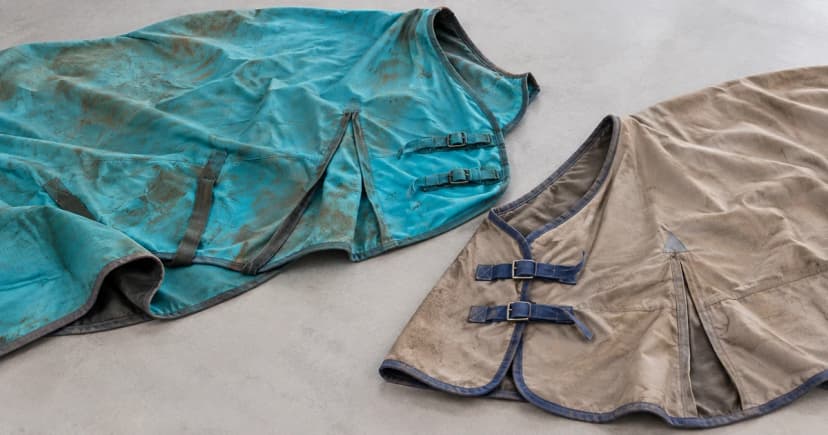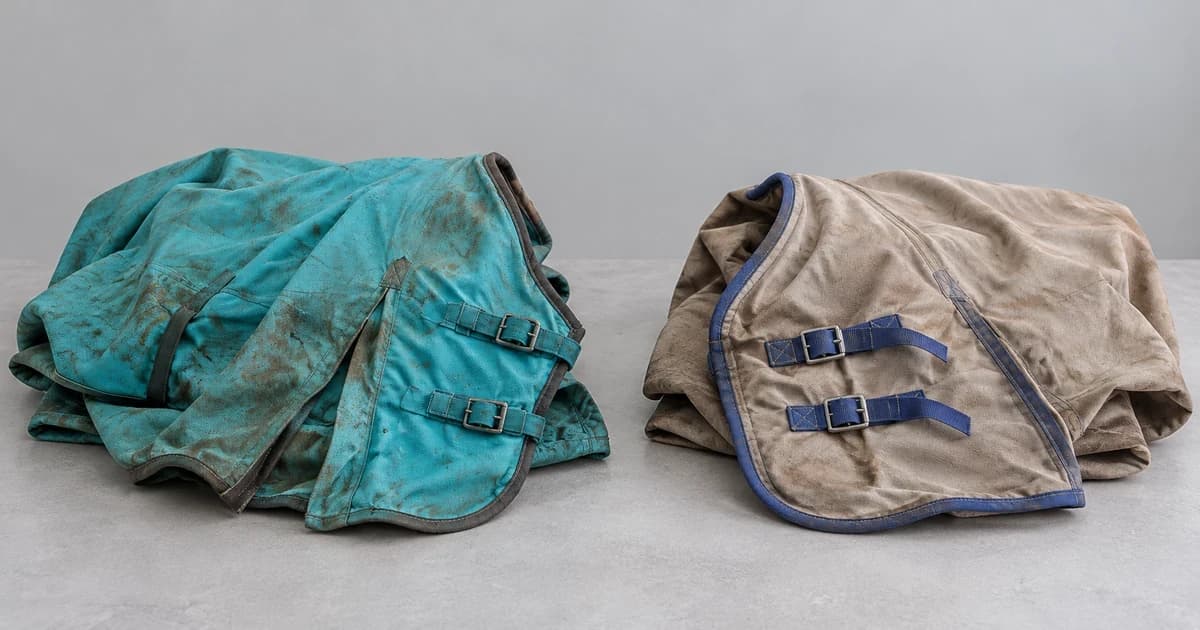
To measure a horse for a blanket, choose the intended maker's sizing instructions first. Use its tape route and endpoint, record the units, then apply only the correction that guide specifies. Check the delivered blanket's fit separately. A familiar size label or the horse's height cannot replace those steps.
The guides below use different endpoints and size conventions. Keep the method beside the measurement so that a number from one system does not silently become a size in another.
Choose the measurement before reaching for the tape
Identify the blanket brand and style you are considering and open its current size guide. Write down the starting point, route, endpoint and required units. Leave space for both the raw measurement and any adjusted lookup value; do not overwrite one with the other.
| Guide | Its documented measurement | How to keep the result identifiable |
|---|---|---|
| Horseware | Use a soft tape from the chest's center, across the shoulder point, to the tail's center. Subtract the stated 10 cm/4 inches before consulting its chart. | Record the tail-center endpoint and the single correction. |
| SmartPak | Start at the chest's center, pass across the widest shoulder area, and keep a cloth tape level and taut to the buttocks point where the cheek meets the tail. | Record this endpoint and the result in inches. |
| WeatherBeeta | Body Length B runs from the chest's center to the rump's end. Back Seam A runs from the wither to the top of the tail. | Label A and B separately; the guide uses body length for blanket sizing. |
Do not treat those endpoint descriptions as interchangeable. Follow the selected guide's complete route and diagram. If you cannot identify an endpoint confidently, clarify it with the maker or an experienced equine professional before treating the number as an order size.
Keep raw measurement and chart adjustment separate
For a hypothetical Horseware measurement of 80 inches taken to its tail-center endpoint, its stated four-inch subtraction gives a 76-inch lookup value. Record both numbers. This is a calculation example, not a recommendation to order a blanket labeled 76. Resolve a between-row result with the applicable brand and style information; do not subtract four inches again or apply this correction to SmartPak's different endpoint.
WeatherBeeta's guide says to choose the larger size when between its sizes. That instruction belongs to its chart. Use the actual listed rows rather than generating a size series yourself: its table includes a 77-inch entry alongside the guide's general description of three-inch increments. Back-seam length is not a substitute for body length.
If the label, units or chart row is unclear, keep the question attached to the product name.
Check the blanket you receive, not just its label
SmartPak's fit guide identifies three areas to inspect:
- Shoulders: the front closure's top aligns with the shoulder point, and the neckline lies smoothly without pulling.
- Withers: its check is room to slide one hand between the blanket and withers.
- Length: the blanket covers the barrel and ends just below the elbow and stifle.
It also recommends observing the horse walking and grazing in the blanket to reveal fit issues.
Use the actual blanket's fastening and adjustment instructions during that assessment. This guide does not supply a universal strap setting or diagnose a fit-related injury.
Keep a sizing record you can use again
Save the maker, style, guide date, tape route, raw value, units, any correction and the chart size selected. Add what you actually observed when the blanket arrived. For example, “tail-center method; correction applied once; chart choice still unresolved” preserves useful information without pretending a fitting was completed.
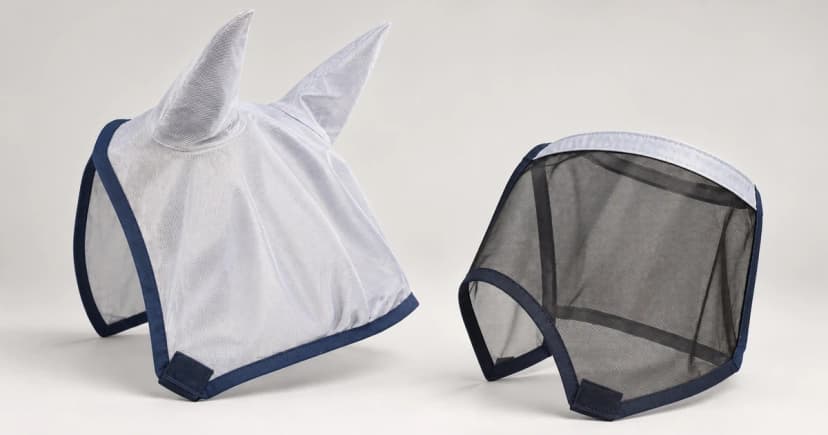
When comparing Pawlivy's horse blankets and fly sheets, obtain the individual product's measurement and fit directions. This equipment guide does not determine whether your horse needs a blanket, select warmth for the weather or establish waterproofing, fabric strength or a tested fit.