Learning how to prepare your dog for a vet visit starts at the moment you book the appointment: confirm the clinic's specific preparation rules, pack current medication details and symptom observations, agree on a calm arrival and check-in plan, and leave with a written four-part handover of the next steps.
Check what your veterinary clinic requires at booking
Every preparation rule—such as whether food, water, a urine or faecal sample, or a pre-visit routine should change—depends on your veterinary clinic and the specific reason for that appointment. When booking, confirm the clinic location, appointment time, check-in procedure, and which medical records or samples to bring. Write the clinic's exact instructions down together so whoever brings the dog is not left guessing from a calendar note that simply says "vet tomorrow."
Let the reception team know in advance if your dog struggles with car travel, crowded waiting rooms, other animals, or physical handling, and note which clinic number to call if your travel or arrival plan hits a snag. Never substitute a generic internet checklist—such as withholding food or altering a medication dose on your own—for your clinic's individual instructions.
Pack information as well as equipment
Dogs Trust's veterinary-reviewed visit checklist recommends jotting down your questions right after booking, bringing details of all current medications, using a secure short lead, and packing familiar items such as a blanket or favourite treats if permitted by the clinic.
An existing home photo or short video clip can help show an intermittent limp, cough, or behaviour you noticed at home. However, Dogs Trust warns against placing your dog into an uncomfortable or painful situation just to film it—never provoke or recreate a symptom for the camera.
For each health or behaviour concern, separate what you observed (what happened, when, and how long it lasted) from what you suspect. If another family member or caregiver is taking your dog to the clinic, hand them your written medication list and observation notes rather than relying on verbal memory.
Double-check your packed bag against the clinic's booking confirmation before walking out the door.
Make the journey and arrival arrangements usable
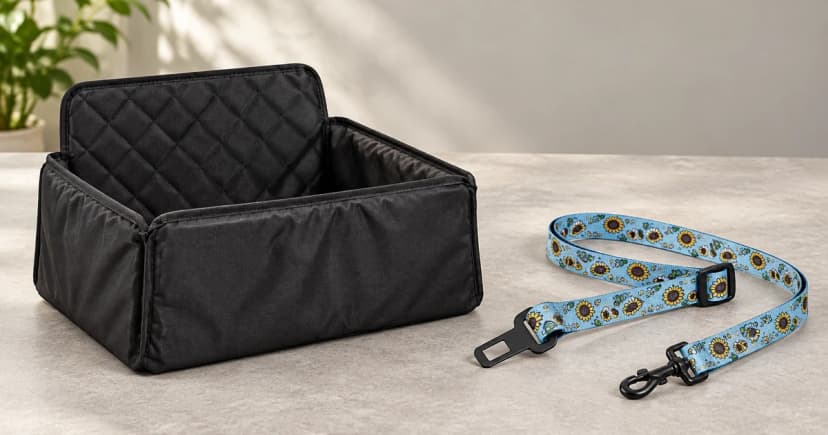
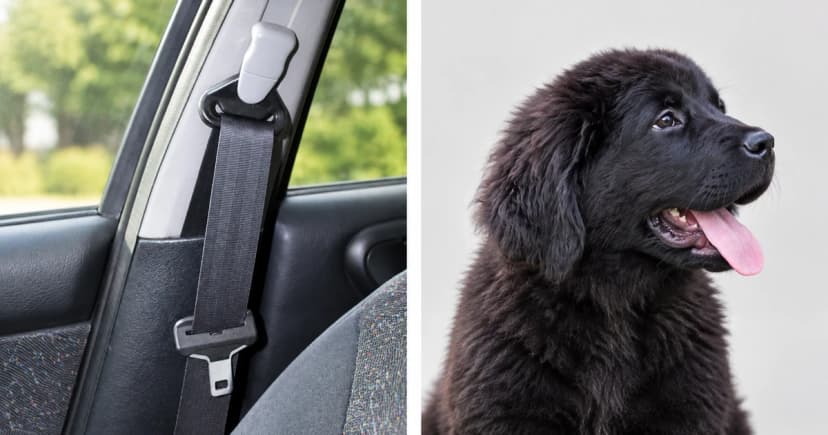
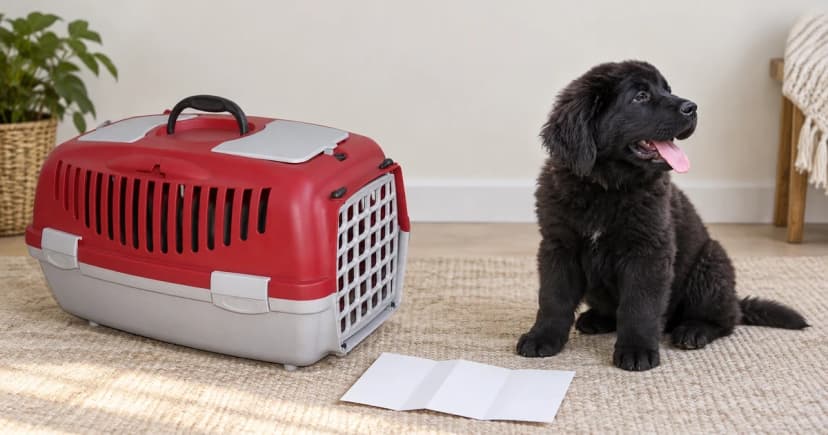
Use our dog car-travel planning guide to organize journey timing, ventilation, and handler roles, and check our car-restraint guide for matching harness, crate, or guard connections. Even a five-minute drive to a neighbourhood practice requires secure containment.
The AAHA canine wellness-visit guidance encourages veterinary teams to coordinate arrivals and reduce stressful lobby encounters between pets. Depending on your dog's needs and the building layout, a clinic may let you check in by phone from outside or walk straight into an exam room. Discuss those options when booking rather than assuming every practice has a separate side door.
AAHA also highlights clear two-way communication: share what helps your dog stay calm and speak up whenever an examination step or care option needs fuller explanation.
When you arrive, follow the clinic's agreed check-in routine and let reception know where you and your dog are waiting. If the lobby is busier than expected, check with staff before waiting outside so you do not miss your call.
Hand over the history and discuss the options
Cornell's Small Animal Community Practice appointment guide outlines how its service moves from reception check-in to history taking and physical examination, followed by discussing the care plan, next steps, cost estimates, and treatment options. Keep that workflow in mind as one named hospital service's structure rather than a fixed timetable for every clinic.
Use that structure to organize your notes during the consultation: share your written history up front, review the options and estimates presented, and let the veterinary team handle all physical restraint and clinical checks.
Take home the actual instructions: four-part handover card
Before leaving the practice, review the agreed plan so every caregiver at home follows the clinic's current written instructions rather than an outdated note or a generic recovery guess:
| Handover item | Before the visit (confirm with clinic) | Taking home (record before leaving clinic) |
|---|---|---|
| 1. Decisions & preparation / care rules | Exact date, time, location, and any clinic-specified food, water, medication, or sample rules for this visit. | What the vet decided or diagnosed today, plus exact medication doses, feeding rules, or activity limits given for this dog. |
| 2. Next action & who is responsible | Who drives, who handles the dog on a short lead, and what records, medications, or permitted treats are packed. | The next scheduled dose, check, or recheck appointment, and which household member is responsible for each step. |
| 3. Items still awaiting a reply | Any travel, lobby-waiting, or handling accommodation still being arranged with reception before arrival. | Pending lab results, cost estimates, or care details that remain undecided—never fill a gap with a home guess. |
| 4. Whom to call & when | Reception phone number and check-in method if delayed or if the lobby is crowded on arrival. | Named clinic contact for follow-up updates, plus the out-of-hours emergency number if symptoms change. |
Whenever a treatment plan changes during the consultation, cross out or replace any earlier household note immediately so every caregiver works from the same current veterinary instructions.