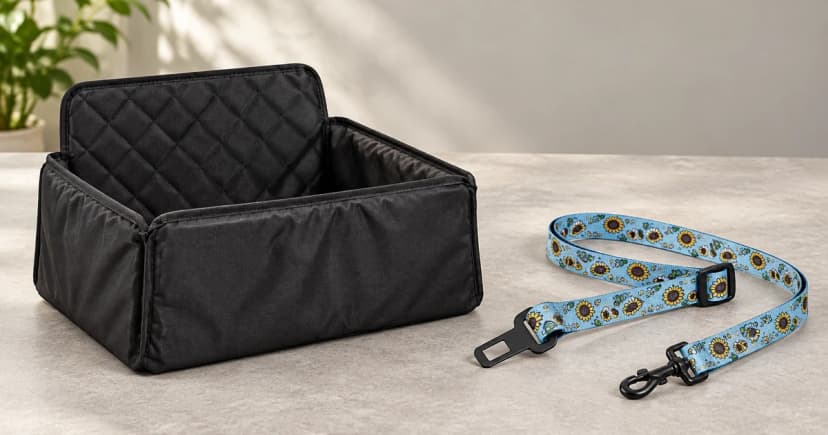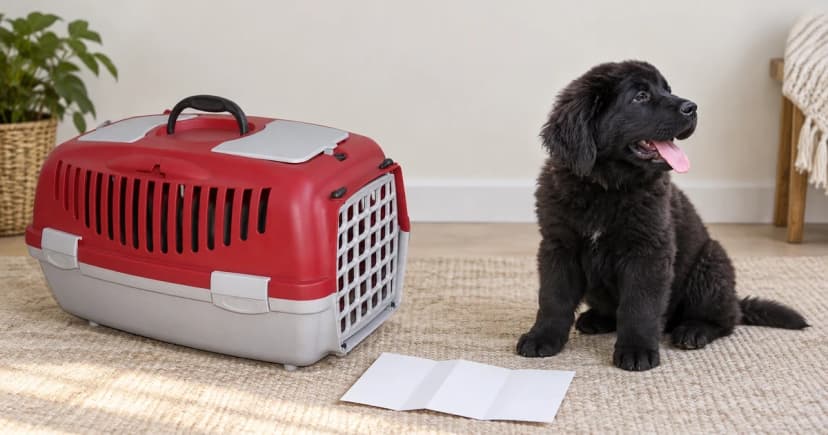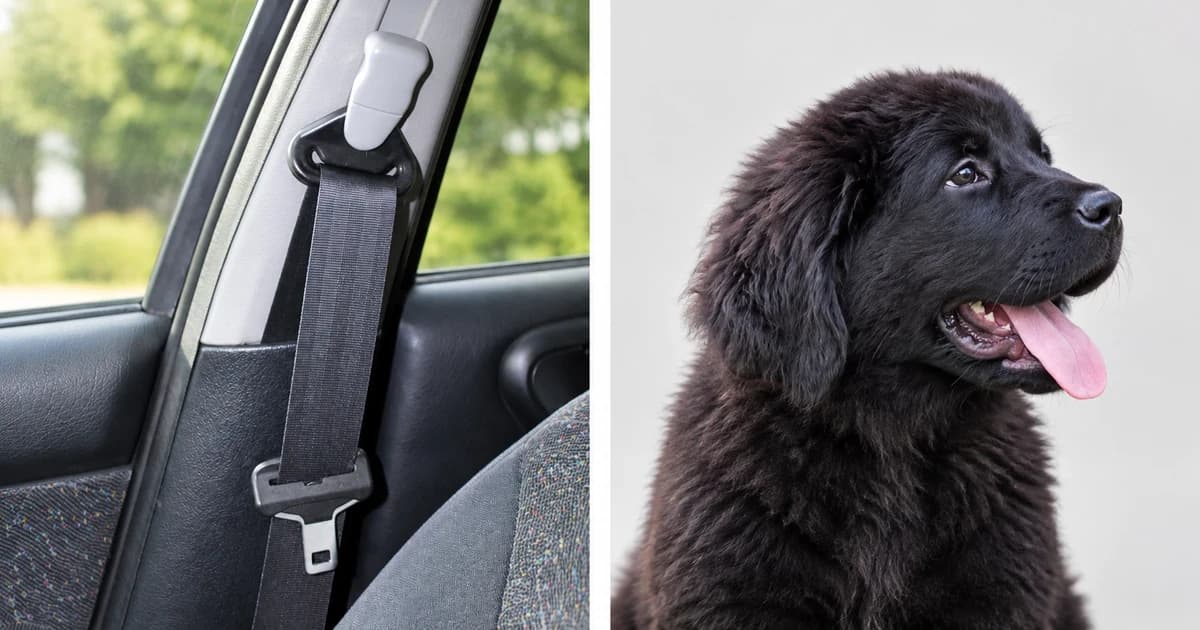
Walk down the travel aisle of any pet store and you will see dozens of nylon straps called "dog seat belts" that click into your car's buckle receptacle on one end and clip to your dog's harness on the other. When dog owners ask us are dog seat belts safe, our honest answer usually surprises them: almost all basic clip-in seatbelt tethers are only built to stop your dog from climbing into your lap at a stoplight—they are not crash-tested, and many will snap or launch your dog into the front seat during a real 30-mph collision.
That doesn't mean you can't protect your dog in the back seat. It just means you have to know the difference between a distraction tether and an independently crash-tested travel harness—and understand why adding even a six-inch extension strap can ruin an otherwise safe setup.
The Dirty Secret of Basic "Seat Belt Tethers"
Years ago, before we looked into dynamic crash-test data, we used one of those adjustable nylon straps that clicks straight into the female seatbelt buckle. It felt sturdy enough when our 45-pound border collie mix leaned forward to look out the window. Then we actually read the manufacturer's fine print.
Take a widely sold product from a major brand: the PetSafe Safety Seatbelt Tether. Right on their official support page, PetSafe is refreshingly blunt: the tether is not crash-tested and is designed solely to prevent distracted driving by keeping your pet contained in one seat. In a sudden emergency stop or highway collision, a 50-pound dog generates well over 1,500 pounds of forward force. Thin metal lobster clasps, plastic length sliders, and single-loop seatbelt tabs simply aren't engineered to survive that kind of load.
Distraction Control vs. True Crash Protection
Before you clip your dog into the back seat for a road trip, here is how to tell what your gear is actually doing for you:
| Restraint Type | What It Does Well in Everyday Driving | What Happens in a Serious Collision |
|---|---|---|
| Click-in nylon seatbelt tether | Keeps a calm dog from hopping into the front passenger seat, stepping on the center console, or bolting out the door when you park. | Not crash-rated. Hardware clips can shear, or the long tether gives the dog so much forward slack ("excursion") that they still slam into the front seatbacks. |
| Overhead zipline or seat-bar strap | Lets a restless dog pace left and right across the back bench without tangling their legs around a stationary belt. | Explicitly opposed by safety engineers: the extra slack acts like a slingshot during a crash, allowing violent forward and sideways launch. |
| Direct seatbelt-threaded crash harness (CPS Certified) | Holds your dog's chest and torso snug against the back seat cushion with minimal slack, using the car's own inertia-reel seatbelt. | Tested on a dynamic crash sled to verify the webbing, buckles, and stitching hold together and keep the dog on the seat cushion without spinal rotation. |
Why Extension Tethers Ruin Good Harnesses (The CPS Warning)
One of the biggest complaints we hear from dog owners who buy a heavy-duty car harness is: "Threading the car's actual seatbelt through the back of the harness every time is annoying, and my dog can't stand up and turn around in circles. Can't I just clip a short extension strap between the seatbelt and the harness?"
According to the independent Center for Pet Safety (CPS) Extension Tether Advisory, the answer is an emphatic no. In crash testing, every extra inch of distance between your dog's back and the car's seatbelt anchor gives your dog's body room to accelerate before the belt catches them.
CPS documented a classic real-world example of this in their 2013 Allsafe Harness Case Study. When they tested the Large harness using a 6-inch tether connector, the setup suffered catastrophic hardware failure on the crash sled. When the exact same harness was re-tested with no tether—threading the vehicle's own seatbelt directly through the harness loop—it held the crash test dummy securely on the seat bench. That single six-inch piece of hardware was the difference between a failed restraint and a surviving one.
Three Rules We Follow Every Time Our Dogs Ride in the Car
Even if you are only driving ten minutes to the neighborhood trailhead, a few simple habits eliminate the most common car restraint hazards:
- Never clip any car strap to a neck collar: Even a low-speed fender-bender or a hard stomp on the brakes to avoid a deer will jerk a collar-tethered dog backward by the throat, risking crushed windpipe cartilage or cervical spine injury. Always attach car restraints to a padded, load-bearing back-clip harness.
- Keep your dog in the back seat, away from front airbags: Front passenger airbags deploy at explosive speed toward the chest height of a sitting dog. If you drive a two-seat pickup truck and have no back seat, switch the passenger airbag off before buckling your dog in.
- Check that your dog's paw can't step on the red seatbelt release button: When we used a click-in buckle tether years ago, our dog stepped squarely on the red release button while shifting his weight around a corner and unbuckled himself mid-drive. If your tether uses the buckle slot, cover the release button or switch to a restraint that threads through the shoulder belt or anchors to the steel LATCH (ISOFIX) bars behind the seat crease.
If your dog hates the tight, upright feel of a crash-tested car harness, another gold-standard option is a crash-tested travel crate tied down to the cargo anchors in your SUV. Before your next trip, check our guide on how to fit a dog harness so there is zero loose webbing over the shoulders, and explore our car seat covers, barriers, and travel gear to keep muddy paws off your upholstery on the ride home.