Learning how to secure a dog in a car means separating three different questions before you drive: what prevents the dog from moving around the cabin and distracting the driver, how the restraint physically connects to your vehicle’s seat belt or anchor point, and whether that exact model and size carries published crash-test documentation. A buckle tongue clicking into a socket does not prove vehicle compatibility, and an everyday walking harness is not automatically a car restraint.
This guide compares the main categories of vehicle pet equipment referenced in PDSA’s safe car-travel overview alongside two distinct EzyDog connection systems (DRIVE and CLICK) to show why attachment paths are model-specific.
1. Compare car restraint types, roles and connection limits
PDSA’s car-travel overview distinguishes pet seat-belt harnesses, seat-belt tethers, travel carriers or crates, and boot/cargo guards. While all of these help prevent a loose dog from interfering with the driver, they do not provide identical restraint in a sudden stop or collision. In particular, PDSA notes that a luggage guard helps protect human passengers from items or pets in the boot, which is a different function from restraining the dog’s body inside its space.
| Equipment Type | Primary Role in Vehicle | Typical Connection Method | Key Compatibility & Safety Boundary |
|---|---|---|---|
| Dedicated car safety harness (e.g., EzyDog DRIVE) | Restrains the dog’s torso directly against the passenger seat belt path | Vehicle’s 3-point seat belt feeds directly through the harness’s designated load-bearing webbing handles and buckles into the vehicle receiver | Do not add an extra tether strap or clip to walking leash D-rings; verify model-specific sizing and crash-test records |
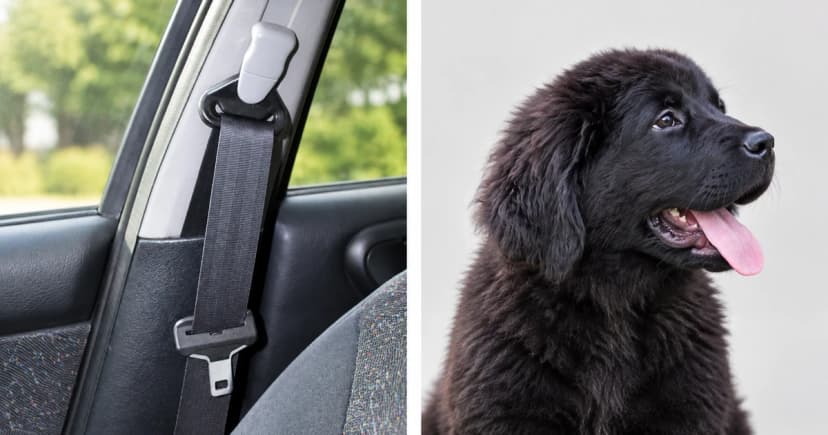
| Adjustable seat-belt tether (e.g., EzyDog CLICK) | Limits roaming and reduces driver distraction by tethering a compatible harness to a belt socket | Metal tongue inserts into a compatible seat-belt buckle receiver; snap hook clips to an approved harness D-ring | Never attach to a neck collar; check vehicle receiver exclusions (such as Volvo exclusion on CLICK); not a guarantee against crash injury |
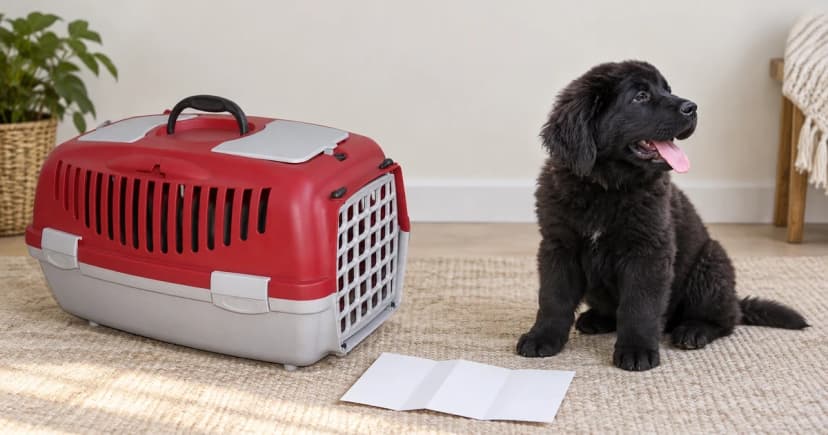
| Secured travel carrier or crate | Contains the dog inside an enclosed shell during transit | Positioned and anchored in the footwell, back seat or cargo area strictly as specified by the carrier manual | Unsecured crates can shift during braking; verify interior dimensions and ventilation |
| Cargo / luggage barrier or seat cover | Partitions the cargo area from passenger seats or protects upholstery | Braces against vehicle pillars/headrests or drapes over seat upholstery | A cargo barrier or waterproof seat cover does not tether the dog’s body; check whether a separate harness or crate is required |
Selecting an everyday walking harness is a separate decision covered in our harness selection guide, which evaluates neck/chest openings and leash rings for walking rather than vehicle loads.
2. Why connection paths cannot be swapped: DRIVE vs. CLICK
Even within the same manufacturer’s catalog, vehicle connection instructions differ by model. Keep the exact product manual next to your vehicle’s seat-belt layout before attempting installation.
EzyDog DRIVE Dog Car Harness: vehicle seat belt through top handles only
The EzyDog DRIVE Dog Car Harness is a dedicated step-in vehicle harness with its own chest measurement chart and initial fit setup. For car travel, the manufacturer instructs passing the vehicle’s seat belt directly through both webbing handles on top of the harness and clicking the vehicle buckle closed. The instructions explicitly state to use only the vehicle seat belt—without any supplementary seat-belt tether or extension strap.
Although the DRIVE harness also has double D-rings for attaching a walking lead outside the car, those rings are not the vehicle load path. Routing a clip to a D-ring instead of threading the seat belt through the top handles bypasses the documented design.
EzyDog CLICK Adjustable Car Restraint: socket tongue to specified harness D-ring
By contrast, the EzyDog CLICK Adjustable Car Restraint uses a seat-belt tongue that clicks into the car’s buckle receiver and a snap hook that clips to the D-ring of an EzyDog Quick Fit, Chest Plate or Convert harness. The product page explicitly excludes both the EzyDog DRIVE harness and Volvo vehicles, and never authorizes clipping the snap hook to a neck collar.
EzyDog describes the CLICK tether as a distraction restraint that holds the dog in one position and warns that it may not prevent injury to the dog or passengers in an accident. Inspect the webbing and hardware for wear or abrasion before every trip, and never transfer crash-test statements from a dedicated car harness to an adjustable distraction tether.
3. Complete a parked-vehicle check before departure
Test your setup with the car parked before loading your dog for a trip. Verify and record four points:
- Exact model and size match: Confirm the harness or carrier size against your dog’s current chest girth and weight, and keep the model’s printed or PDF instruction sheet in the glovebox.
- Permitted vehicle anchor point: Verify whether the device uses the vehicle’s 3-point seat belt, a buckle receiver or cargo tie-down anchors, and check for any vehicle brand or seat-position exclusions.
- Zero improvised adapters: Never chain multiple tethers together, loop webbing around a headrest post unless specified by that product’s manual, or clip a car tether to a collar.
- Hardware condition: Check stitching, webbing, buckles and latch gates for fraying, deformation or incomplete engagement.
Once your physical restraint setup is confirmed, use our dog car-travel planning guide to organize rest stops, ventilation, water and passenger handovers. You can also compare dog travel equipment by category while checking each item’s specific connection rules and our editorial policy.