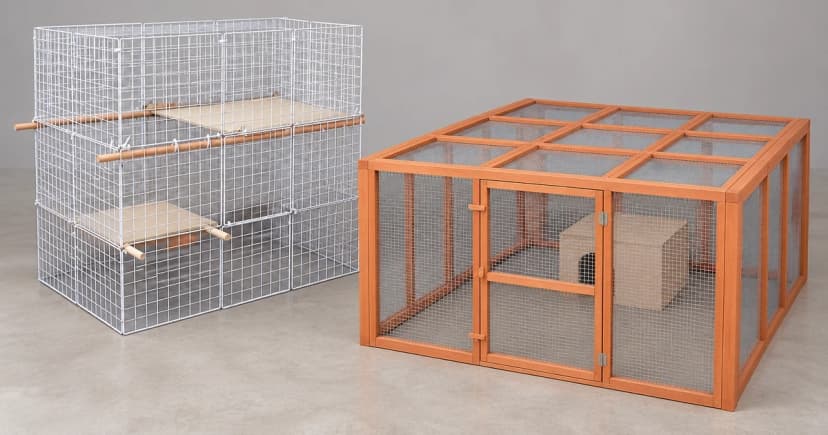
Clean a rat cage by separating daily spot-cleaning of droppings, wet bedding, and uneaten fresh food from larger enclosure refreshes, reserving a handful of dry unsoiled nesting material for familiar scent, holding awake rats in a secure plastic carrier, and washing fabric hammocks separately from hard cage accessories.
Decide What Needs Attention Today (With Verified Source Sections)
In Woodgreen's Rat Care Guide (September 2025 edition, “Cleaning: Daily – spot clean,” pages 8–9), daily maintenance covers picking up droppings and wet/dirty bedding and substrate, replacing soiled material, removing uneaten fresh food from the previous day, changing water, wiping urinated plastic surfaces, and cleaning used litter trays every other day (or adjusted to group size).
Address localized damp patches right away rather than stripping the entire cage for a minor spill, and use our bottle flow and leak guide if wet bedding keeps reappearing beneath a drinking spout.
For full enclosure cleanouts, the RSPCA rat environment guide recommends a weekly cleanout with spot-cleaning in between.
By contrast, Woodgreen's Rat Care Guide (September 2025 edition, “Cleaning: Fortnightly – refresh clean,” pages 8–9) outlines a fortnightly refresh clean—noting that larger mischief groups may need it more often, and that smelly fabric items such as hammocks need replacing weekly or twice weekly.
Keep those two schedules attributed to their respective organizations rather than averaging them into a new number or leaving soiled litter until a scheduled refresh day:
| Rat Cage Cleaning Task | Documented Source, Edition & Section / Page Locator | Specific Action & Scope Boundary |
|---|---|---|
| Daily spot-cleaning & litter trays | Woodgreen Rat Care Guide (Sept 2025 PDF, “Cleaning: Daily – spot clean,” pages 8–9) | Pick up droppings and wet/dirty bedding daily; remove uneaten fresh veg from the previous day; change water; wash and dry used litter trays every other day (adjusted for group size); replace smelly hammocks weekly or twice weekly. |
| Larger cage cleanout / refresh interval | RSPCA (Creating a good home for rats web guide) vs. Woodgreen Rat Care Guide (Sept 2025 PDF, “Fortnightly – refresh clean,” pages 8–9) | RSPCA gives a weekly cleanout with spot-cleaning between; Woodgreen gives a fortnightly refresh (sooner for larger groups). Keep separate—do not average. |
| Familiar scent retention | RSPCA (Creating a good home for rats web guide) | Retain a handful of clean, dry, unsoiled nesting material for familiar scent; avoid strongly scented products and air fresheners. |
| Temporary holding carrier during cleanouts | Woodgreen Rat Care Guide (Sept 2025 PDF, pages 8–9 & “Transporting your rats,” pages 16–17) + RSPCA (Taking your new rats home PDF) | Hold awake rats in a secure, ventilated hard plastic cat carrier with familiar cage bedding/fleece placed in a quiet space away from cleaning; never use cardboard or wood carriers that rats can chew through. |
| Hammocks, ropes & hard accessories | Woodgreen Rat Care Guide (Sept 2025 PDF, “Fortnightly – refresh clean” & “Top tip,” pages 8–9) | Clean toys, bowls, bottles, and swept cage bars with pet-friendly disinfectant; machine-wash hammocks and ropes with non-bio detergent at 60°C inside a pillowcase or laundry bag (applies to Woodgreen's hammock/rope step only—not all cage accessories). |
Reserve Familiarity Without Saving Soiled Waste
As the RSPCA rat environment guide explains, keeping a handful of clean, unsoiled nesting material preserves familiar group smells after a full cleanout, whereas strongly scented cleaners or air fresheners should be avoided.
Set that dry, unsoiled nesting material aside before using any disinfectant. Familiar never means damp or urine-soaked—always have enough fresh substrate and nesting paper ready to complete the reset.
Prepare the Rats' Temporary Holding Carrier First
Schedule full cage cleanouts while your rats are naturally awake, as the RSPCA advises.
In both its “Fortnightly – refresh clean” checklist (pages 8–9) and its “Transporting your rats” section (pages 16–17), Woodgreen's September 2025 guide specifies placing rats in a secure hard plastic cat carrier lined with familiar cage bedding or a fleecy blanket in a quiet room away from the cleaning area, checking that bar spacing is narrow enough that female or young rats cannot squeeze through.
The RSPCA's Taking your new rats home PDF likewise stresses using a secure, ventilated carrier because cardboard and wood can be chewed through. Check the carrier door latches before dismantling the main cage.
Match the Cleaning Method to Each Specific Item
In “Fortnightly – refresh clean” (pages 8–9), Woodgreen's September 2025 guide separates hard items from fabric enrichment: toys, bowls, bottles, and swept cage surfaces are cleaned with a pet-friendly disinfectant, whereas hammocks and ropes have their own laundry instruction (machine-washing with non-bio detergent at 60°C inside an old pillowcase or laundry bag so hair and metal clips do not damage the machine).
Keep Woodgreen's 60°C laundry rule attached strictly to washable fabric hammocks and ropes—do not apply it to wood perches, plastic hides, coated wire shelves, or an unidentified accessory whose care label forbids hot machine washing. Always verify dilution, contact time, rinsing, and drying rules on your specific disinfectant bottle and cage manual before starting, and detach only parts designed to be removed.
Restore the Habitat Before Returning Your Rats
As Woodgreen notes on pages 8–9, litter trays and washed accessories must be dried before fresh litter, substrate, and bedding are restored.
Once every surface is rinsed and dry, blend in the reserved unsoiled nesting material, rehang dry hammocks and water bottles, verify every door latch, and review our rat-cage setup guide to confirm resting, climbing, and two-point water access. If your rats show altered behavior or ongoing stress or respiratory signs, speak with a rat-savvy veterinarian as both the RSPCA and Woodgreen guides advise.