Cats may like toys they can stalk, chase, bat, grab or wrestle, but the useful choice depends on the cat and the way you present the toy. Start with an action you have actually observed. A cat that follows a moving lure may enjoy an interactive wand game; one that holds an object against its belly may be better served by a soft kicker.
Buying a different toy is only one option. Changing a lure's movement, offering it at another moment or giving the cat room to approach can also change the game. Choose a small variety, watch what happens, and keep the combinations your cat voluntarily returns to.
Watch the game before choosing the next toy
Battersea's play guidance distinguishes interactive play with people from self-play and explains that cats can favor different prey-like objects and movements. A toy left on the floor and the same toy moved by a person are different invitations. Ignoring the first does not establish that your cat dislikes the second.
Notice the visible action rather than assigning a personality label. Does your cat crouch and watch, follow across the floor, reach into an opening, tap a ball repeatedly, or hold and kick a soft object? Watching can precede a pounce, so a pause need not be filled with faster movement.
Also note the setting. A noisy new toy, another animal approaching or a crowded play area can make the first introduction hard to interpret. Offer room to approach and leave. If the cat walks away, put the game aside rather than bringing the toy repeatedly to their face.
Match a toy form to an observed action
Use this table to decide what to try next. These are possible matches, not a ranking, a guarantee or results from a cat preference test.
| Observed action | A toy form to try | How to introduce it | What to notice |
|---|---|---|---|
| Watches, crouches and follows | A wand with an attached lure | Move the lure along the floor, then pause within reach. | Does the cat approach, stalk or catch it? |
| Chases a rolling object | A suitable ball or chaser | Give one gentle roll across clear floor space. | Does the cat pursue, bat it again or lose interest? |
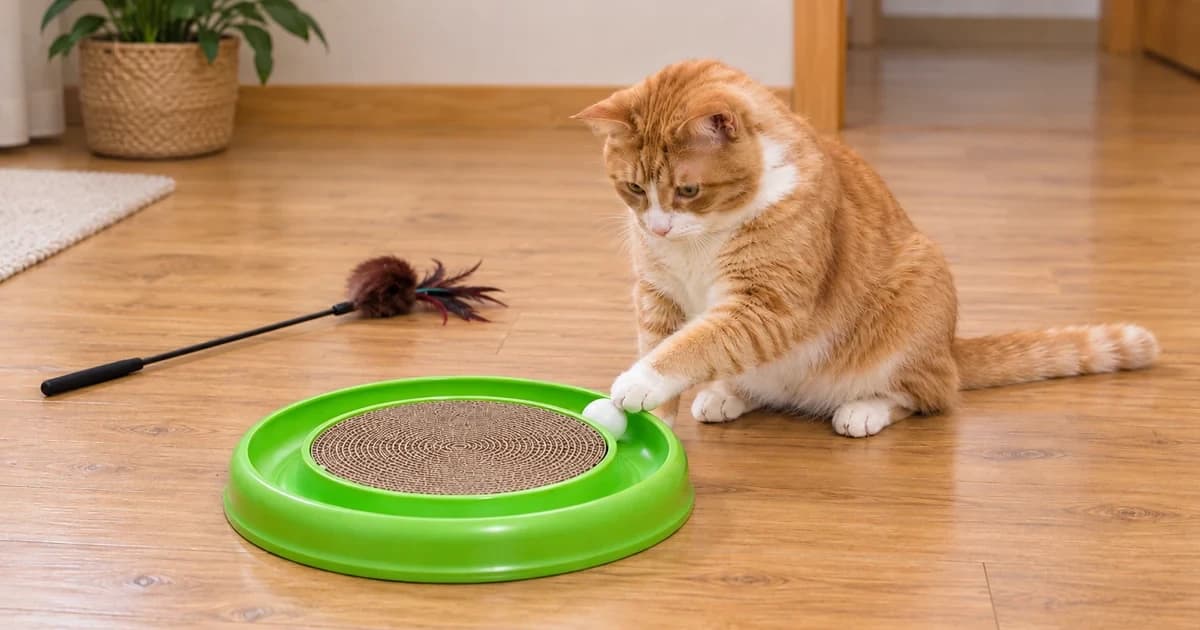
| Reaches and bats at an object | A ball track with accessible openings | Let the cat investigate; demonstrate a small ball movement. | Can the cat reach and move the ball without forcing a paw? |
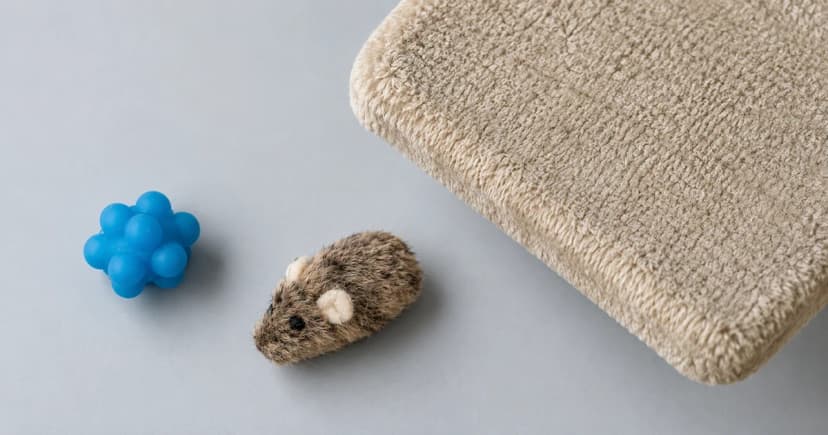
| Holds an object and kicks with the rear feet | A soft kicker of suitable size | Place it within reach and let the cat take hold. | Does the cat grip and wrestle the toy, or simply leave it? |
Cats Protection describes stalking, pouncing, chasing and batting, and suggests a larger kicker for bunny-kicking play. The table turns those actions into choices to observe; it does not imply that every cat wants all four.
Compare the construction within each type. With wand and teaser toys, distinguish a directly attached tip from a lure on a line. For ball tracks, look at paw openings and accessible moving parts. Among plush and kicker toys, consider whether the shape is practical for your cat to hold. Check the exact item's instructions and size; a category name does not establish suitability.
Change one part of the presentation
If a toy gets little response, make one manageable change before buying several replacements. This is an observation aid, not a controlled experiment: cats can respond differently from one occasion to another.
- Change movement. Try a short movement followed by stillness rather than constant waving. Move away from the cat to offer a chase, while keeping the lure on an accessible surface.
- Change the moment. Offer the game when the cat is already alert and interested. Do not wake or restrain them to obtain a response.
- Change the object. If the movement draws attention but the object does not hold it, try another suitable texture or form using a similar presentation.
- Change sound separately. Introduce a noisy toy cautiously. A sound feature adds another variable, so compare with a quiet option rather than assuming noise improves the game.
Blue Cross recommends varied textures and movements and notes that some cats are startled by squeaky toys. It also recommends short sessions and voluntary participation. A brief game that ends without another chase is not a failed purchase by itself.
Give the cat a physical object to catch
For a wand game, let the lure travel close to the floor instead of repeatedly lifting it beyond reach. Pause, allow an approach and give the cat opportunities to catch it. Keep your fingers and feet out of the role of prey; the toy should be the object your cat grabs.
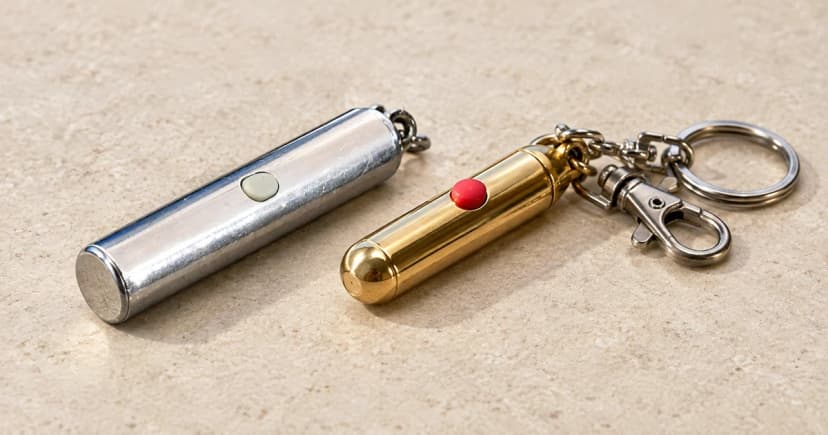
A moving light offers no physical toy to hold. Battersea does not recommend laser pointers for that reason. If you are choosing a first option for this guide's stalk-and-catch task, start with a physical lure or object. This is not a claim that every moving toy produces the same response.
When a catch happens, observe what follows without pulling the toy sharply from the cat's mouth. If your cat disengages, stop. Avoid adding a second toy, a new sound and faster movement together; that makes it harder to decide what to keep for the next session.
Keep supervised play separate from storage
“Self-play” describes who moves the toy. It does not establish that an item can be left with your cat unattended. Follow its instructions and watch how your cat uses it. Blue Cross and Cats Protection advise putting away string toys and items that could be torn apart, swallowed or cause tangling.
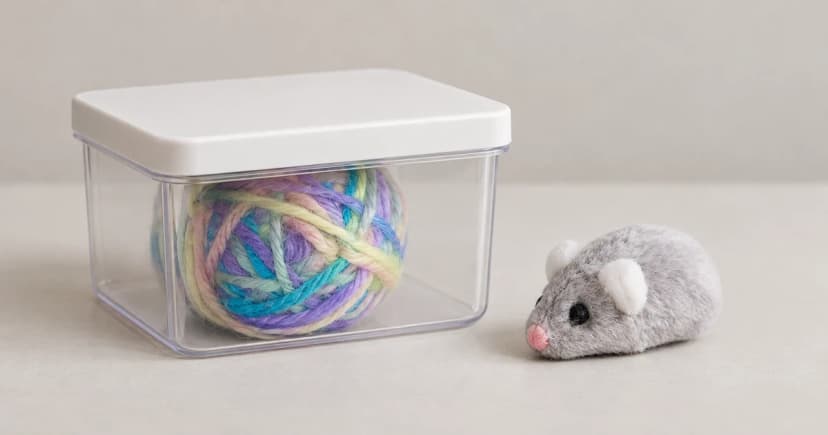
Inspect the parts your cat actually grabs: the lure attachment, line, seams and exposed pieces. Stop using an item with a loose or damaged part. Do not treat a larger toy or a hidden ball as proof against chewing or damage. Put stored toys somewhere the cat cannot retrieve them.
Rotate a few suitable choices rather than leaving every toy available at once. Your own observations can guide the rotation: one toy for a chasing invitation, another for batting, and a soft object for wrestling if those are games your cat chooses. Browse the different cat toy categories for forms to compare, then check the individual item rather than assuming a more elaborate design is a better match.
Write down what you would repeat
A useful note records the game, not a verdict about the cat. Use these fields after an ordinary session:
- Toy and presentation: the object, surface, sound and movement offered.
- Observed response: watched, approached, stalked, chased, batted, caught, wrestled or walked away.
- Next choice: repeat this combination, change one feature or try another suitable form.
- After play: condition checked and any supervised-only item put away.
Record only what you saw. One quiet session does not prove a lasting preference, and this guide reports no trial of cats or toys. Our editorial policy explains how source-based guidance is handled. The next useful choice is the one that gives your cat an invitation they can accept, an object they can engage with and room to end the game.