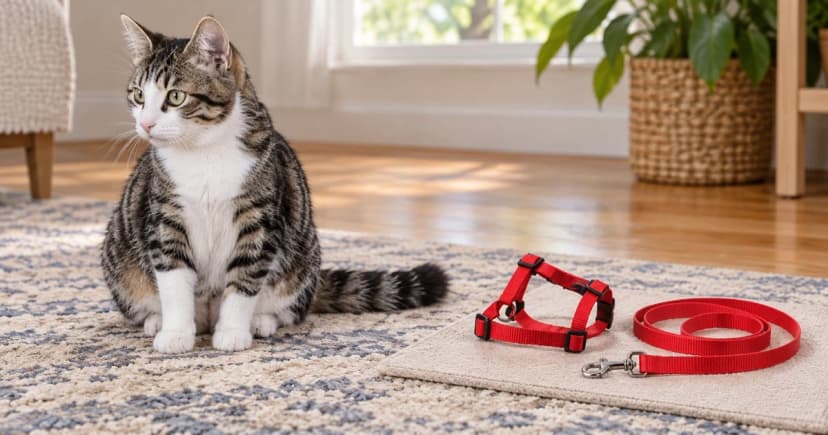
Most cats don't escape a harness by pulling forward like a dog—they panic at a passing delivery truck, throw their body into reverse, tuck their shoulder blades together, and back right out of the neck loop in two seconds flat. If you are looking for the best cat harness leash setup for a real indoor cat, the secret isn't buying the thickest vest on the shelf: it's choosing a closure and sternum strap design that stays snug behind the front elbows when your cat pulls backward, paired with a leash that absorbs sudden lunges without jerking their spine.
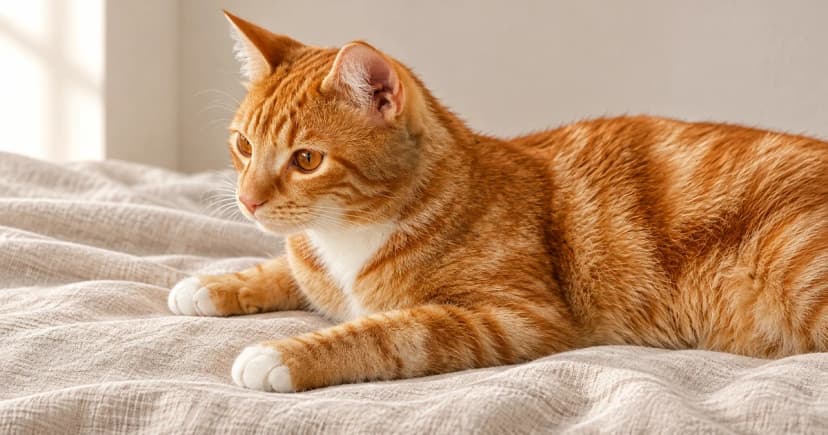
When we fitted three different harness-and-leash styles on our 11-pound orange tabby, we quickly realized why so many cat owners give up after day one. A harness that looks "cozy" in a product photo can gap dangerously at the shoulders or scare a sound-sensitive cat before you even reach the back porch. Here is how the three main designs—H-strap bungee sets, step-in mesh vests, and Velcro wrap harnesses—actually compare in real life.
1. Thin H-Strap Sets With a Bungee Leash (Best for Escape Artists)
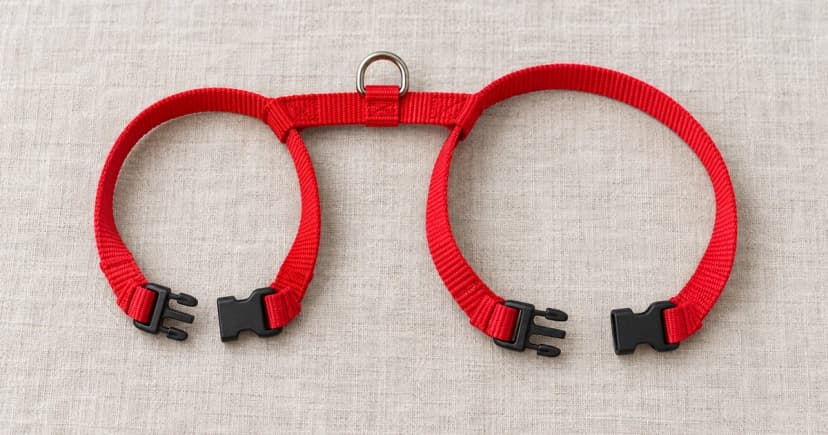
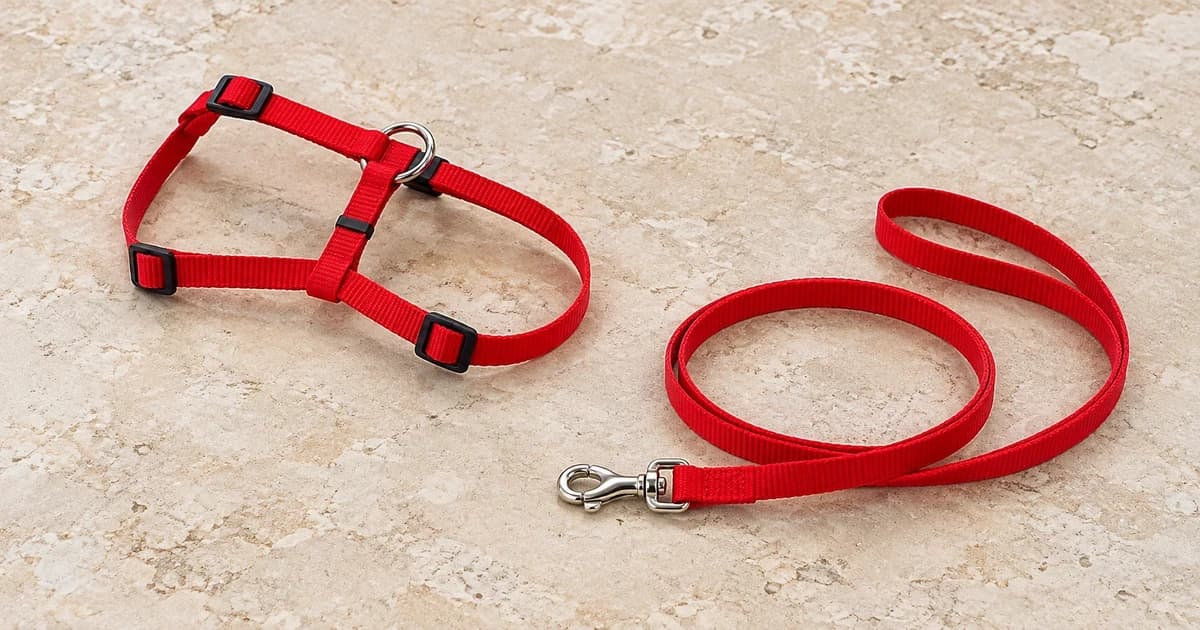
If your cat turns into liquid the moment they feel fabric over their back, a minimal strap harness like the PetSafe Come With Me Kitty Harness and Bungee Leash solves two real-world problems at once. Instead of wrapping your cat's torso in a hot fabric vest, it uses narrow nylon webbing with a sliding sternum strap across the chest and dual snap buckles behind the front legs.
- Why the chest slider matters: When your cat tries the classic "reverse Houdini" move and backs away from you, pulling on the rear O-ring gently tightens the shoulder straps against the chest slider instead of peeling the harness over their head.
- The bungee leash difference: Cats don't heel; they creep, freeze, and suddenly sprint after a moth. A rigid nylon dog lead jars their neck when they hit the end of the line, whereas PetSafe's elastic bungee lead stretches to cushion the stop.
- The catch: Because you have to slip the front loop over your cat's head first and then snap two side buckles under their belly, head-shy cats need a few days of treat training before they tolerate dressing up.
2. Step-In Mesh Vests (Fastest to Put On, Tricky on Narrow Shoulders)
For cats that hate having anything pulled over their ears, a step-in mesh design like the Coastal Pet Comfort Soft Adjustable Cat Harness with 6-Foot Leash (CHL03) lets you lay the harness flat on the floor, place your cat's two front paws into the leg holes, and pull the sides up to clip over the shoulder blades.
- What we like: Breathable fabric mesh distributes pressure across the chest on warm afternoons, and there is zero over-the-head wrestling.
- Why you should never size by weight alone: On Coastal's CHL03 chart, the X-Small size lists a 7–10 inch neck, an 11–14 inch ribcage girth, and an 8–10 pound weight range. Our lean 11-pound tabby technically fell above that weight bracket, yet a Medium vest gapped around his narrow shoulders enough for him to slip an elbow out. Always measure your cat's ribcage right behind the front armpits with a soft tape measure—never guess by poundage.
3. Hook-and-Loop (Velcro) Wrap Harnesses (Snug Fit, Loud Unfastening)
Wrap-style jackets—such as the Coastal Adjustable Cat Wrap Harness with 6-Foot Leash (ACWH1)—fold around the neck and belly using wide hook-and-loop (Velcro) flaps backed up by a metal D-ring for the included 6-foot lead.
- Where wrap vests shine: Because Velcro adjusts to any millimeter rather than fixed buckle notches, you can get a custom, gap-free wrap around deep-chested or uniquely shaped cats.
- The real-world Velcro problem: Ripping open a wide patch of hook-and-loop fastener right behind a cat's ears makes a loud, sharp riiiip sound that sounds remarkably like a hissing animal. The first time we unfastened a wrap vest indoors, our tabby flattened his ears and bolted under the couch. If you choose a Velcro wrap, always unfasten the flaps slowly with your fingers pressed between the strips to muffle the noise.
Side-by-Side Comparison: Which Set Fits Your Cat's Personality?
Before you order a set, match the entry style and closure noise to how your cat reacts to being handled:
| Harness & Leash Style | How It Goes On | Best For | Real-World Watchout |
|---|---|---|---|
| H-Strap + Bungee Lead (PetSafe Come With Me Kitty) | Over the head first, then two snap buckles behind the front legs; rubber stopper sets chest width. | Cats that try to back out of vests, or energetic explorers that lunge at birds and bugs. | Thin straps must be adjusted snugly (two-finger fit) so a paw can't hook under the chest loop. |
| Step-In Mesh + 6-Ft Lead (Coastal Comfort Soft CHL03) | Front paws step into dual leg openings; pulls up and clips at the back. | Cats that panic when fabric touches their ears or whiskers during over-the-head dressing. | Leg holes can gap on long, slender cats if you pick a size by body weight instead of ribcage girth. |
| Hook-and-Loop Wrap + 6-Ft Lead (Coastal Wrap ACWH1) | Flaps wrap around the neck and ribcage and press shut with hook-and-loop fasteners. | Calm cats that need micro-adjustable snugness around the chest and belly. | Loud Velcro tearing noise can startle sound-sensitive cats when taking the harness off; keep fuzz out of the hooks. |
Three Indoor Fit Tests Before You Ever Open the Front Door
No matter which harness set you buy, never clip on the leash and carry your cat straight out to the sidewalk. Every manufacturer—including PetSafe—warns that a cat harness is only meant for supervised walks and should never be left on an unattended cat indoors where it can snag on furniture. Before your first backyard trip, run these three five-minute indoor checks:
- The "Two-Finger" Ribcage Check: Once buckled, you should be able to slide two flat fingers snugly between the harness and your cat's ribs. If you can pinch an inch of loose slack or pull the back D-ring forward over the base of their skull, tighten the sliders before going outside.
- Cure the "Harness Flop" With Churu Treats: Almost every cat acts like their legs are paralyzed the first time a harness touches their back, flopping sideways onto the rug. Don't tug on the leash—sit ten feet away with a lickable tube treat or feather wand so they forget the straps are there and walk forward on their own.
- Walk Behind Your Cat, Never Ahead: If you walk in front of a harnessed cat and pull backward toward their face, you are actively pulling the harness off over their head. Always stay behind your cat's tail so any leash tension pulls the chest piece snugly against their breastbone.
Ready to start indoor practice sessions? Check our step-by-step guide on how to leash train a cat for our 7-day living room routine, or browse our cat harnesses and leashes to find a lightweight set sized for your cat's exact girth.