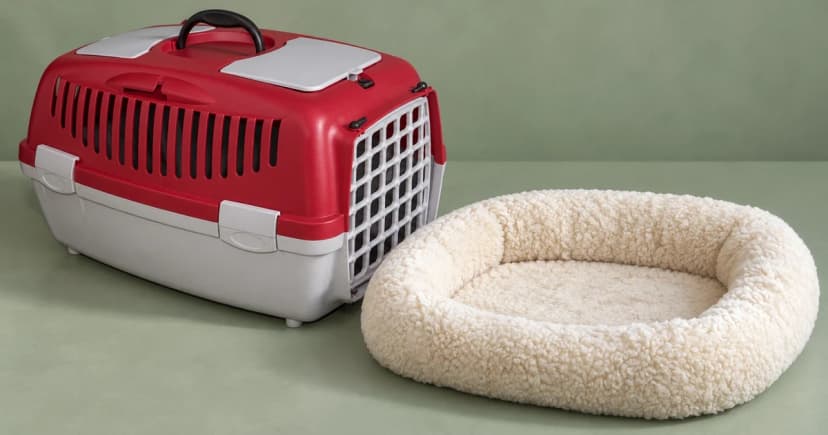
Learning how to care for a cat at home means keeping essential resources accessible, assigning clear daily responsibilities to named people, maintaining veterinary and identification records, and preparing an unambiguous handover whenever the primary caregiver is away. A bed, bowl, litter tray, or scratching post is only a starting supply—not a completed care plan.
This guide provides a household organization overview built around four practical records: accessible resources, named daily and backup responsibilities, health and identification documentation, and the next veterinary question. Individual feeding portions, regional vaccination or parasite schedules, and equipment-specific washing routines belong to your veterinary team or dedicated task guides. While the sections below draw on three UK welfare organizations for core home-preparation principles, their local legal rules and medical calendars are not universal global instructions.
Prepare places the cat can actually use
Cats Protection's preparation guide begins with a quiet, comfortable, secluded space where a cat can settle undisturbed. Core supplies include food and water bowls, a comfortable bed, a litter tray, a scratching post, a suitable brush, safe toys, and a secure carrier. Crucially, Cats Protection advises separating food, water, and toileting areas rather than crowding bowls and litter trays into a single corner.
Their guidance also highlights registering with a local veterinary practice and planning vaccination, parasite control, neutering, and microchip identification. Check what preventive care your cat has already received and which prior records exist, then establish an individual schedule with your local veterinary team rather than copying a generic kitten timeline or shelter checklist.
Walk through your home layout during normal household activity before treating setup as complete. Can your cat reach water, resting spots, and litter trays when interior doors are closed or appliances are running? For multi-cat or multi-room toileting layouts, use our guide to separate litter-box locations to plan tray count and placement.
Turn supplies into named care responsibilities
PDSA's cat-friendly home guidance connects health, behavior, companionship, diet, and environment. It recommends feeding a complete commercial diet matched to the cat's life stage and weight, keeping daily routines predictable, separating resource stations, and providing quiet elevated or enclosed places to retreat. Discuss exact meal portions and diet selection with your veterinary team; this organizational guide does not prescribe food quantities, home-cooked recipes, or supplements.
PDSA also advises monitoring for subtle signs of illness or stress, budgeting for veterinary care, and letting cats initiate social contact on their own terms. If your cat's habits change, speak with your vet rather than assuming an extra toy or bed will resolve an unexplained shift.
Assign both a primary person and a named backup caregiver to every recurring task: meals, fresh water, daily litter scooping, full tray washing, coat checks, and voluntary play. Keep task definitions specific—scooping clumps and washing the entire tray are separate jobs. Our litter-box cleaning guide explains how daily waste removal differs from a full litter-box wash and why you should follow the care instructions for your specific tray design.
Notice the ordinary day without testing the cat
Use everyday feeding and cleaning routines to note what is actually happening at home: which stations your cat used, whether scheduled tasks were completed, and any change in eating, drinking, toileting, or movement. Never wake a sleeping cat, corner them, or restrain them just to fill out a checklist.
Keep household notes factual rather than diagnostic. For example, writing that “the usual resting area was inaccessible while the room was closed” records a concrete access problem to fix at home; it does not diagnose feline stress. When you observe a new physical or behavioral change even after all resources are open and accessible, share that context with your veterinary team.
Use dedicated guides for activity and rest planning: our indoor entertainment guide covers voluntary hunting and climbing outlets, while our cat sleep guide helps distinguish normal feline rest cycles from changes that warrant veterinary advice.
Keep records, task status, and the next question together
Combine your household care plan into one shared table that two caregivers or a visiting sitter can read and update immediately. Always separate a task or appointment that is merely planned from one that is actually completed—booking a checkup or buying a litter mat is not the same as completed care.
| Care Pillar & Specific Item | Location & Setup Rule | Primary & Backup Person | Status (To Arrange / Planned / Completed) | Objective Observation or Next Veterinary Question |
|---|---|---|---|---|
| Resources: Resting, hiding & vertical space | Quiet bedroom perch and living-room covered bed kept open during daytime hours | Primary: Alex Backup: Sam |
To Arrange: Fit doorstop so bedroom door stays ajar | “The usual resting area was inaccessible while the room was closed” on Tuesday afternoon; keep hallway perch open too. |
| Responsibilities: Feeding, water & litter care | Food in kitchen corner; water bowl on opposite counter; two litter trays in quiet utility and upstairs hall | Primary: Sam (AM/PM scoop & meals) Backup: Alex (weekend full tray wash) |
Completed: Morning scoop & water refresh Planned: Sunday full tray wash |
Follow vet-advised portion of complete adult wet/dry food; check litter-box cleaning instructions before using new cleanser. |
| Records: Vet registration, microchip & insurance | Printed folder in kitchen drawer + digital PDF shared between both caregivers | Primary: Alex Backup: Sam |
Completed: Vet registration & microchip contact check | Prior shelter vaccination dates filed; carrier stored with clean blanket in hallway closet. |
| Next Contact: Local veterinary practice & open questions | Clinic phone, out-of-hours emergency number, and clinic address posted on fridge | Primary: Either caregiver on duty | Planned: Annual wellness check booked for next Thursday at 10:00 AM | Discuss individualized parasite-prevention calendar and weight check at the Thursday appointment. |
Arrange the handover before going away
RSPCA's home-environment guidance emphasizes quiet resting spots, reliable toileting access, hiding places, and opportunities to climb and play, and recommends arranging care in the cat's own home whenever possible while you are away. If a boarding cattery is necessary, sending familiar unwashed bedding or toys helps preserve familiar scents.
Before any trip, walk the incoming caregiver through the table above: show them where food, water bowls, litter trays, carriers, and cleaning instructions are stored, confirm which tasks are scheduled versus completed, and leave written authorization and contact details for your veterinary clinic. Review and update your worksheet whenever household routines change, and browse cat supplies only when your plan identifies a specific resource gap to fill.