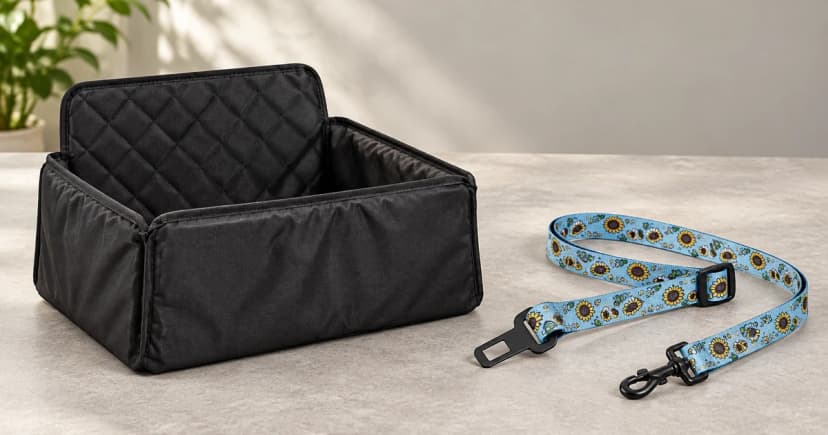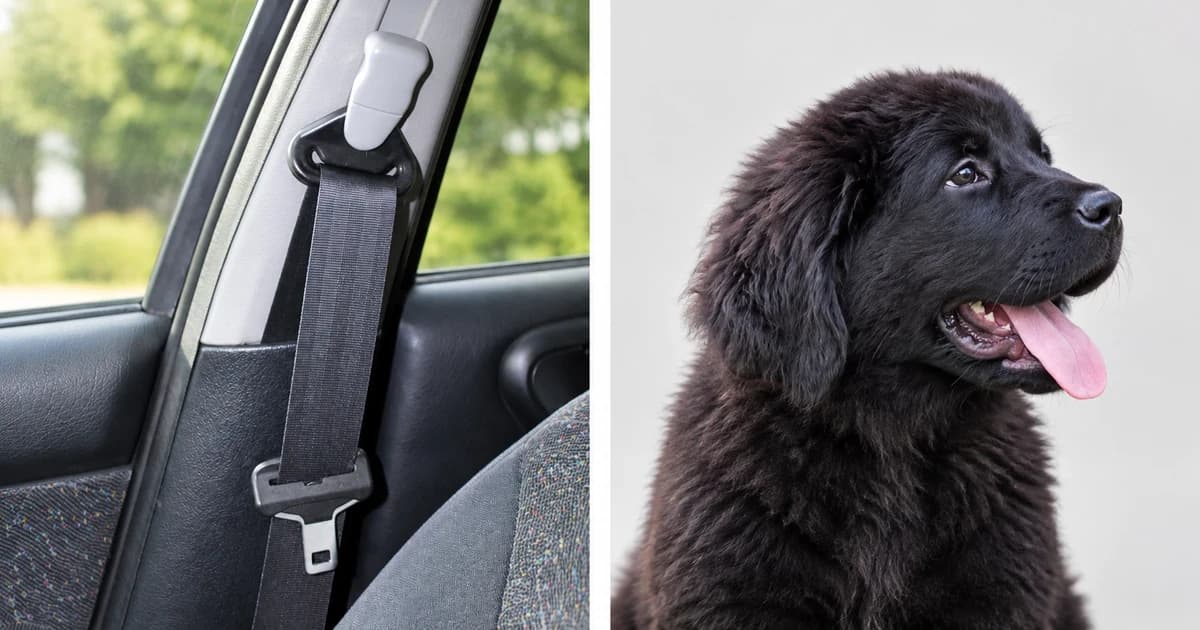
A product called a dog seat belt does not automatically provide evidence of crash protection. First establish what the exact device is intended to do, how it connects and what evidence applies to that complete arrangement. Limiting a dog's movement or reducing driver distraction is a different claim from protecting occupants during a collision.
Do not turn a familiar buckle, sturdy-looking strap or instruction to attach a harness into a safety rating. The useful result is an exact-system evidence record, including questions you still need to resolve, rather than a blanket yes for the whole category.
Read the maker's stated purpose before the installation steps
PetSafe's Safety Seatbelt Tether instructions explicitly state that this tether is not crash-tested. Its stated purpose is preventing distracted driving by keeping the pet contained in a seat. Having installation instructions therefore does not establish collision protection.
The same page excludes compatibility with Volvo seatbelt buckles and Ford F-Series trucks, and gives attachment restrictions for this named tether. Those statements belong to that product. They neither approve another tether nor establish that every other vehicle is compatible. This guide does not reproduce its attachment or length-adjustment procedure as a recommended crash-protective setup.
For your proposed item, preserve the distinction between what the maker claims, what the instructions permit and what testing actually establishes. A walking harness's appearance or ordinary lead point supplies no evidence that it is approved for vehicle restraint.
Keep the independent tether warning in view
The Center for Pet Safety's current extension-tether advisory warns against extension tethers and zipline-style devices. CPS explains that excess movement during sudden deceleration can create injury risks and that adding these devices can negate a harness maker's crash-protection claims.
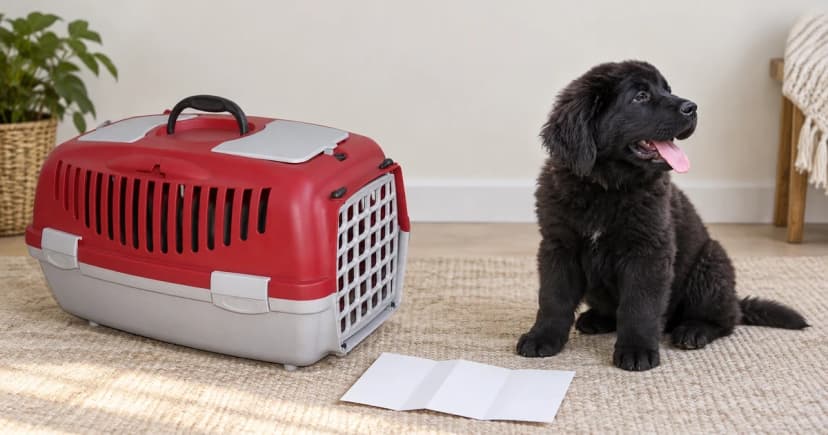
CPS recommends checking its certified products programme and using a suitable certified harness, crate or carrier. That is a route to consult current official evidence, not a claim that this article has verified a particular model, size or certificate. A brand name, marketplace description or similar-looking photograph does not complete that check.
The maker's distraction-control purpose and CPS's crash-related warning answer different questions. Do not reconcile them by assuming a tether becomes crash-protective when fitted neatly or shortened to a guessed length.
Read historical testing as an exact configuration
CPS's Allsafe case study concerns its 2013 testing and subsequent configuration changes. The written account labels the initial Size Large test and the August 28, 2013 follow-up with a six-inch tether as failures. It separately lists a September 27, 2013 Size Large test without that tether.
The third listing does not carry a pass label on this page. The case illustrates why the connection and tested configuration matter; it is not a present-day certificate for all Allsafe products or a universal safe tether length. Nor is it an instruction to remove parts or invent a new belt route on another harness. These are the source's written descriptions, not our observations of its videos.
Make the next question specific
Before relying on a proposed arrangement, collect enough information to ask an answerable question:
- Exact item: maker, product name, version and size, rather than only a category or photograph.
- Declared function: the actual statement about distraction, restraint or crash protection.
- Evidence: who produced it, when, which item and configuration it covers, and whether a current official listing matches.
- Connection and vehicle: the matching product and vehicle instructions, including any excluded applications.
For example, “Does this evidence apply to this exact size and connection?” is more useful than “Is your brand safe?” Leave an unanswered field unresolved. Do not test the arrangement by driving, improvise an anchor or treat a quiet dog as evidence of crash performance.
Once the equipment question is resolved, the separate dog car-journey guide covers stops and the person responsible for the dog during errands. Those care arrangements do not substitute for restraint evidence.
Use dog travel categories for neutral equipment navigation, without treating a listing as an approval.