Learning how to prepare your dog for a vet visit starts with the actual appointment. Bring useful information, agree the arrival arrangements, and leave understanding the next steps.
Ask the clinic what this appointment requires
Confirm the location, time and reason for the visit with the practice. Ask what preparation, records or other items they want, and how they would like you to check in. Keep their actual instructions together. A reminder saying “vet tomorrow” leaves the person attending to guess the rest.
Tell the clinic about a known difficulty with travel, other animals or being handled. Ask who to contact if the agreed arrangement is not workable. Do not turn a general online checklist into a substitute for instructions about your individual dog.
Pack information as well as equipment
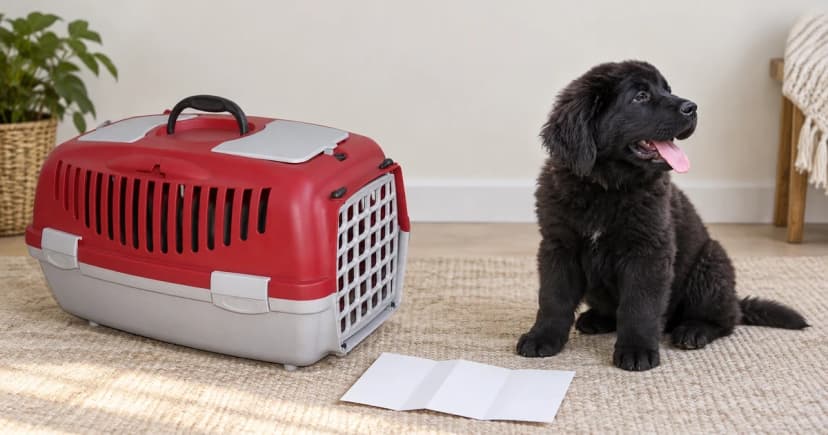
Dogs Trust's veterinary-team-reviewed checklist recommends writing questions after booking, bringing current medication information, a short lead and familiar items such as a blanket. Confirm which belongings and food rewards the clinic permits.
A naturally available photograph or video can help describe something seen at home. Dogs Trust cautions against putting a dog into an uncomfortable situation simply to record it. Do not recreate a problem for the camera.
For each concern, distinguish what you saw from what you suspect. Note the context and question you want answered. If someone else attends, give them the questions and current care information rather than relying on their memory of a conversation.
Check the kit against the clinic's reply before leaving.
Make the journey and arrival arrangements usable
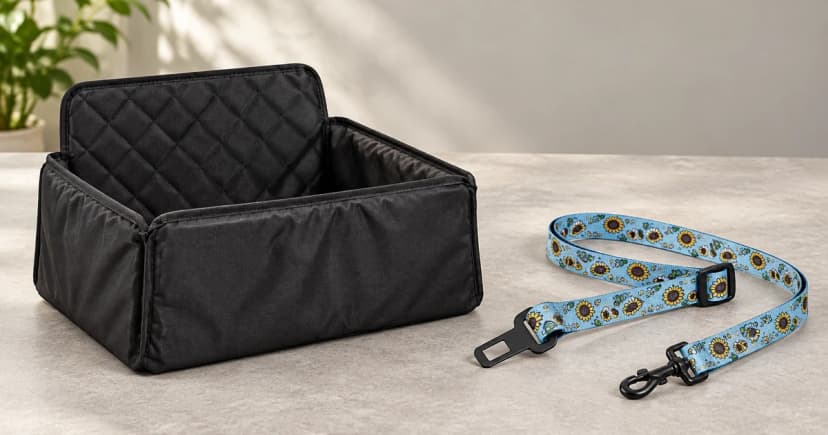
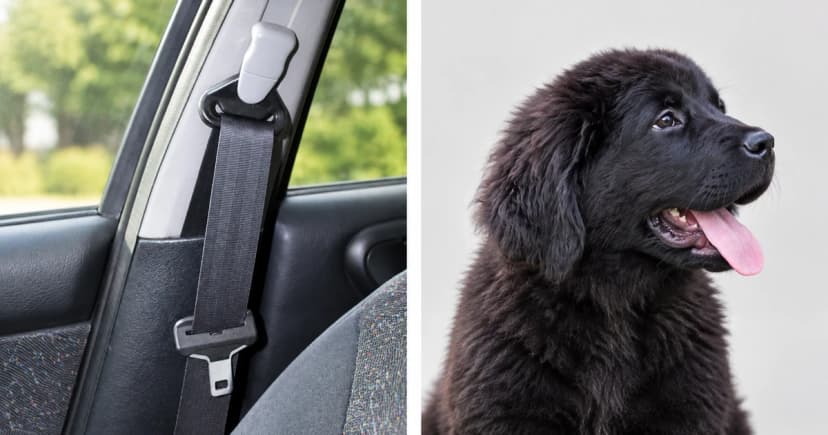
Use our separate dog car-travel planning guide for the journey and handler responsibilities. Resolve the actual equipment connection with the car-restraint guide. A nearby appointment still needs an appropriate arrangement; this checklist does not supply a universal belt route.
The AAHA wellness-visit guidance asks veterinary teams to plan arrivals and minimize encounters between animals. Depending on the individual dog, a practice might arrange initial contact outside or movement directly to a quieter area. Discuss those possibilities beforehand; a separate entrance or immediate examination room is not something every clinic can promise.
AAHA also emphasizes two-way communication. Tell the team what matters to your dog and ask follow-up questions when an arrangement or explanation is unclear.
On arrival, follow the agreed check-in method and let reception know where you are. If the waiting arrangement differs from what you expected, ask staff what to do. Do not simply choose a different entrance or assume you can wait elsewhere without telling them.
Hand over the history and discuss the options
Cornell's Community Practice Service describes a visit that moves from reception to gathering the animal's history and examination, followed by discussion of a care plan, next steps, costs and options. This is one named service's process, rather than a timetable for every practice. Further needs may lead to transfer or admission.
Use that example to prepare your questions: who needs the history, when can you discuss an option, and what remains undecided? Let the clinical team lead examination and handling. You do not need to demonstrate a problem by forcing contact or copying a procedure.
Take home the actual instructions
Before leaving, check that you understand what has been agreed. Keep the instructions they actually give you, rather than constructing a general recovery schedule.
For a household handover, distinguish a decision made today from a question still awaiting a reply. Give the next caregiver the same current instructions and contact details. If the plan changes during the consultation, update the earlier note so that nobody follows the superseded version.
The useful result is an understood arrangement for this visit and the next action.