To secure a dog in a car, match the actual restraint to the dog, the vehicle and its manufacturer's connection instructions. A clip fitting into a socket does not establish compatibility, and a walking harness is not automatically a vehicle restraint. Resolve those questions before treating the arrangement as ready for a journey.
This guide compares two different EzyDog connection systems and a welfare source's explanation of restraint choices. It does not certify a product or demonstrate an installation.
Decide which restraint job you need
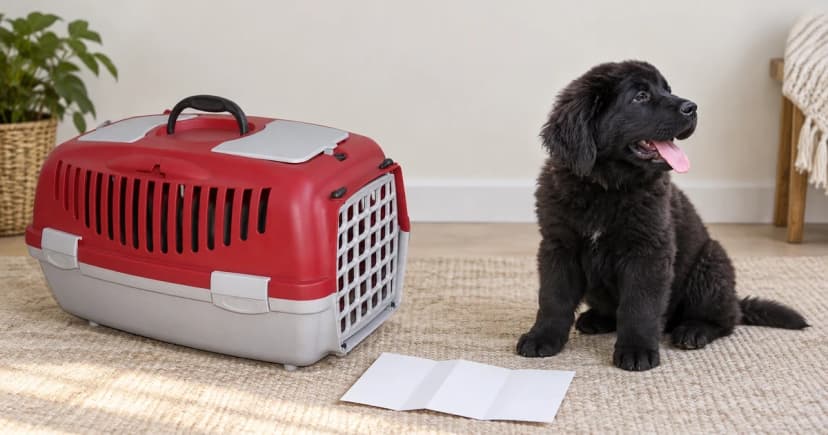
PDSA's car-travel guidance distinguishes pet seat belts, harnesses, carriers and luggage guards. Keeping an animal from moving around and distracting the driver is an important purpose; these items should not be assumed to offer equivalent protection in a collision. Its guard discussion specifically separates passenger protection from protection for the pet.
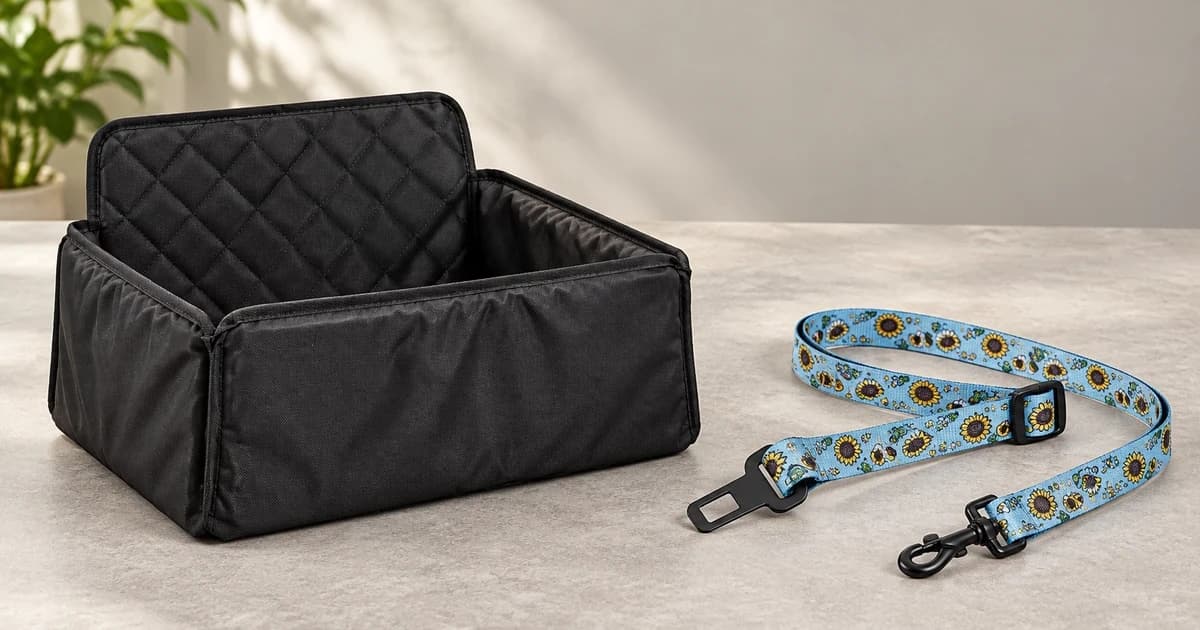
Describe the arrangement you are trying to achieve before shopping: a documented harness-and-belt system, a compatible distraction restraint, or a carrier with its own transport instructions. Do not combine parts simply because they are sold for car travel. A seat cover or a fabric basket also leaves questions about the animal's actual connection unanswered.
Ordinary walking-harness selection is a separate task. Our harness selection guide concerns openings, leash points and walking use; it does not authorize those points for a vehicle.
Identify the exact equipment and vehicle
Keep the restraint's product name, size and current instructions beside the vehicle information. Check which belt or receiver the system requires and whether the maker excludes your vehicle. If a required fitting, belt-locking or attachment detail is missing, ask the relevant manufacturer rather than copying another product's route.
The following examples show why a general instruction to “clip the dog in” is insufficient. Both come from EzyDog, but their connection methods are not interchangeable.
DRIVE harness: use the vehicle belt through the top handles
The DRIVE Dog Car Harness page describes a step-in harness with its own size guide and adjustment system. For vehicle use, the maker directs the car's seat belt through the top handles and into its buckle. It expressly says to use only the vehicle's belt, without an additional seat-belt restraint.
The same page identifies double D-rings for attaching a walking leash. That is a different connection from the vehicle belt through the top handles. Do not replace the documented car route with a clip on a convenient ring or add a separate tether.
Confirm the actual size and fitting instructions for your DRIVE harness before using this example. Its product-specific arrangement does not authorize the same route on a similar-looking harness.
CLICK adjustable restraint: a different connection with different limits
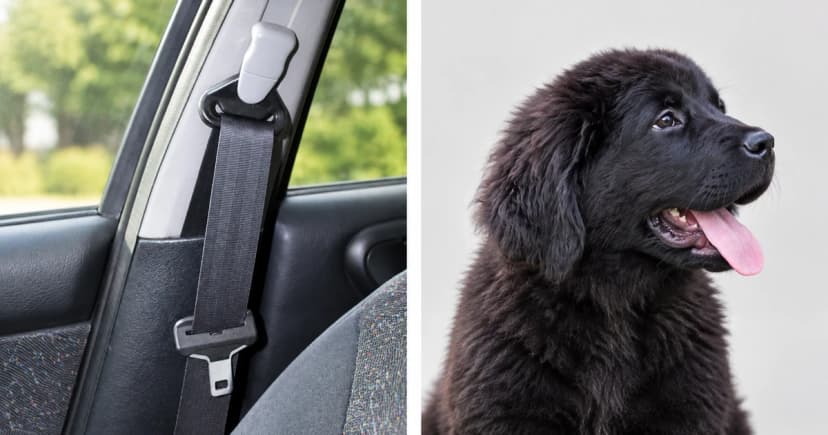
The CLICK Adjustable Car Restraint page describes a tongue that enters the car's belt receiver and a snap hook that attaches to the D-ring of an EzyDog Quick Fit, Chest Plate or Convert harness. It excludes both the DRIVE harness and Volvo vehicles. A collar is not one of the specified connections.
The maker describes this product as a way to reduce driver distraction and keep the dog in one position. Its warning says it may not prevent injury to the dog or passengers in an accident. Do not borrow another harness's testing claims to describe this restraint.
Inspect the attachment for wear or abrasion and do not use it if damaged, as the page instructs. The published adjustment range belongs to this item; it is not a universal tether length or evidence that every receiver will accept it.
Record the unresolved part before departure
Work with the vehicle parked and compare the actual parts with the matching directions. Keep a brief record of:
- The restraint and harness model, size and instructions used.
- The vehicle and the required belt or receiver arrangement.
- The connection the maker actually permits, including any exclusions.
- Visible condition concerns, missing information and the answer still needed.
If the parts, instructions or vehicle do not match, leave the setup unresolved. Do not improvise an extension, headrest route or substitute attachment to complete the checklist. A completed connection record is still not a collision test, a fit certification or evidence that the dog is comfortable during travel.
Once the equipment questions are resolved, plan the people, stops and care handover using our separate dog car-travel planning guide. The dog travel category provides equipment browsing context; confirm each item's actual permitted use rather than assuming a category label establishes compatibility.
Source scope: two complete EzyDog pages and one complete PDSA page, from two publishers. UK legal, insurance and emergency advice is outside this guide. The examples are documented connection conditions, not independent testing or a guarantee of protection. Our editorial policy explains that distinction.