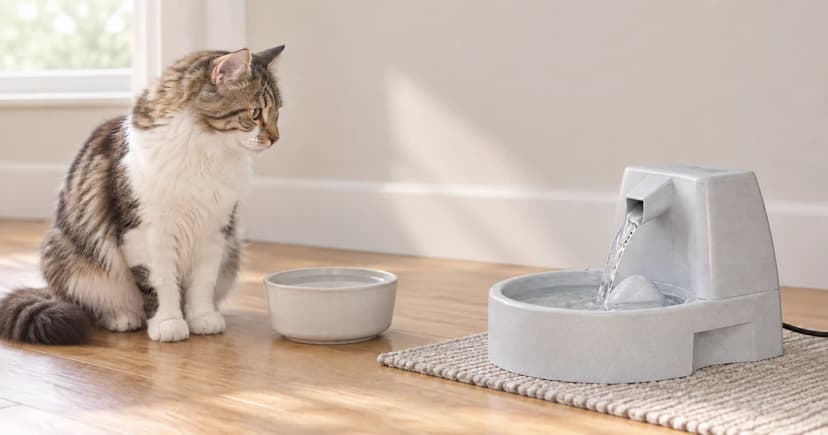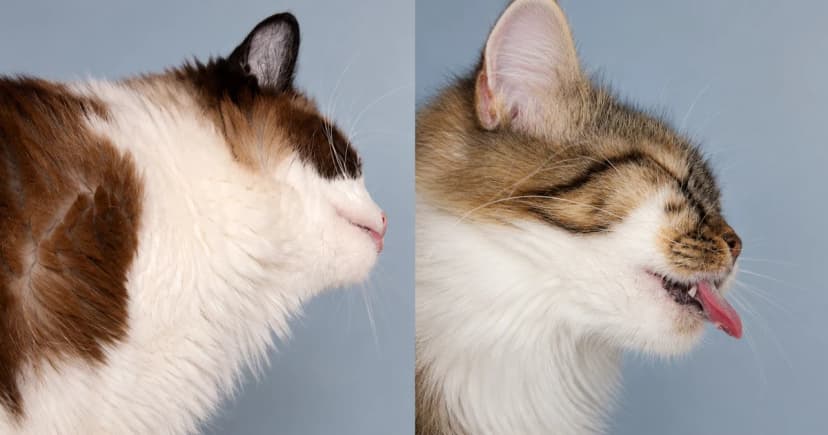
Can cats drink distilled water? Thunder Bay Veterinary Hospital lists distilled water as one taste option to try when a cat dislikes the flavor of tap water—alongside refrigerated tap water, Brita-filtered water, and bottled water. That veterinary note treats distilled water strictly as an individual palatability option to encourage drinking; it does not establish that distilled water is medically superior to tap water, nor does it provide a long-term clinical study on mineral intake or urinary disease prevention.
Separate household water treatment from feline medical advice
When comparing tap, filtered, and distilled water at home, keep household water-treatment facts in their proper scope. The CDC's guide to home water treatment systems advises testing your local tap water for specific harmful germs or chemicals first and selecting a treatment method that targets an identified contaminant; if no hazard is present, extra treatment may not be needed.
In the CDC's household overview, "filtered" water covers many different media (each with its own contaminant-removal specs), while distillation boils water and condenses the steam—removing many contaminants, though some volatile organic compounds can carry over and bacteria can recolonize idle cooling coils if a home distiller is not maintained. Those CDC engineering points describe human household water systems; they must never be extracted as a veterinary prescription for what a cat should drink.
Compare taste acceptance without assuming health benefits
If your tap water is safe but your cat shows little interest in the bowl, Thunder Bay Veterinary Hospital's water-intake guide suggests offering a taste comparison—such as chilled tap water, carbon-pitcher filtered water, bottled water, or distilled water—to see which flavor your cat accepts most readily. Offer any new water option alongside the familiar bowl so a hesitant cat never goes without drinking.
Keep the boundary of that tip clear: trying distilled water for taste acceptance does not prove long-term nutritional completeness, mineral deficiency, or urinary tract protection. Any change in water type intended to manage kidney, bladder, or systemic health belongs in a direct conversation with your veterinarian.
Keep fresh water accessible and separate water type from bowl style
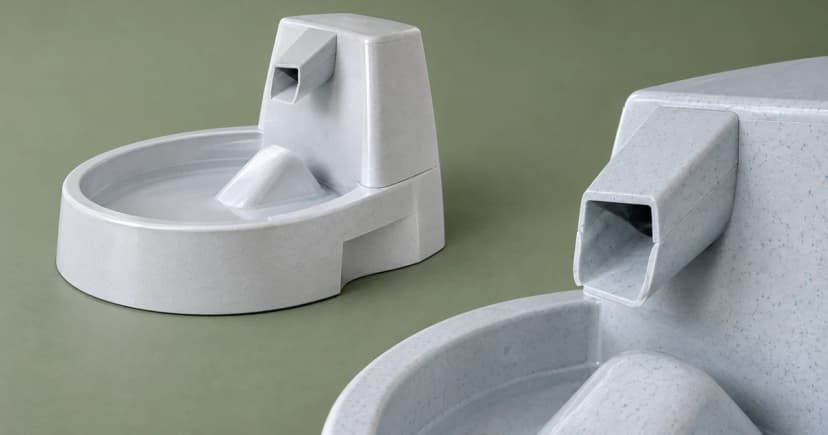
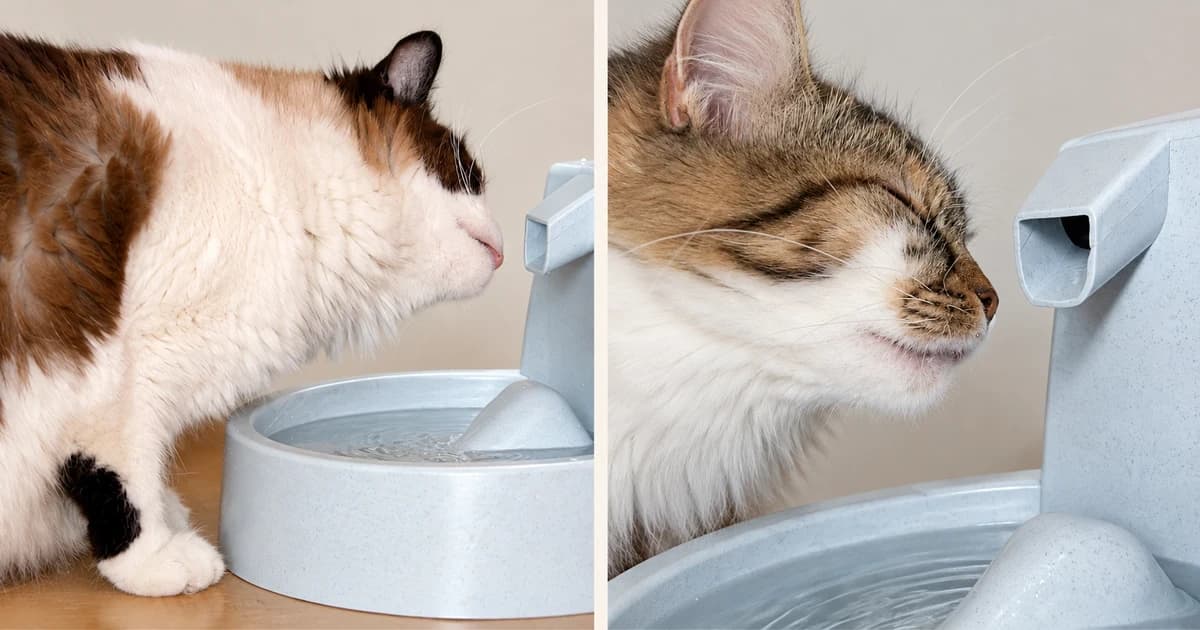
Cornell Feline Health Center's hydration guidance emphasizes keeping clean, fresh water continuously available in calm locations where other pets cannot block access. Remember that choosing between tap, filtered, or distilled water is a separate question from how the water is presented: explore our guide on running-water preference if you are comparing still bowls with moving streams, and follow our model-specific refill guide when topping up a fountain reservoir. If you ever suspect your cat is dehydrated or notice a sudden change in thirst, contact your veterinarian promptly rather than experimenting with water types at home.
Record your household water choice across three distinct columns
Use this three-column decision log to keep household tap-water facts, your cat's observed taste preference, and veterinary health questions clearly separated:
| 1. Household water source & treatment (CDC scope) | 2. Individual cat taste acceptance (Thunder Bay scope) | 3. Veterinary health & hydration check (Cornell scope) |
|---|---|---|
| Identified local tap-water test result or filter/distiller maintenance requirement (household engineering fact, not a feline medical claim): ____ | Which option your cat actually drinks readily when offered side by side (tap, chilled tap, filtered, bottled, or distilled as a taste option only): ____ | Any medical diet, urinary/renal history, or suspected dehydration to discuss directly with your veterinarian before changing long-term water sources: ____ |