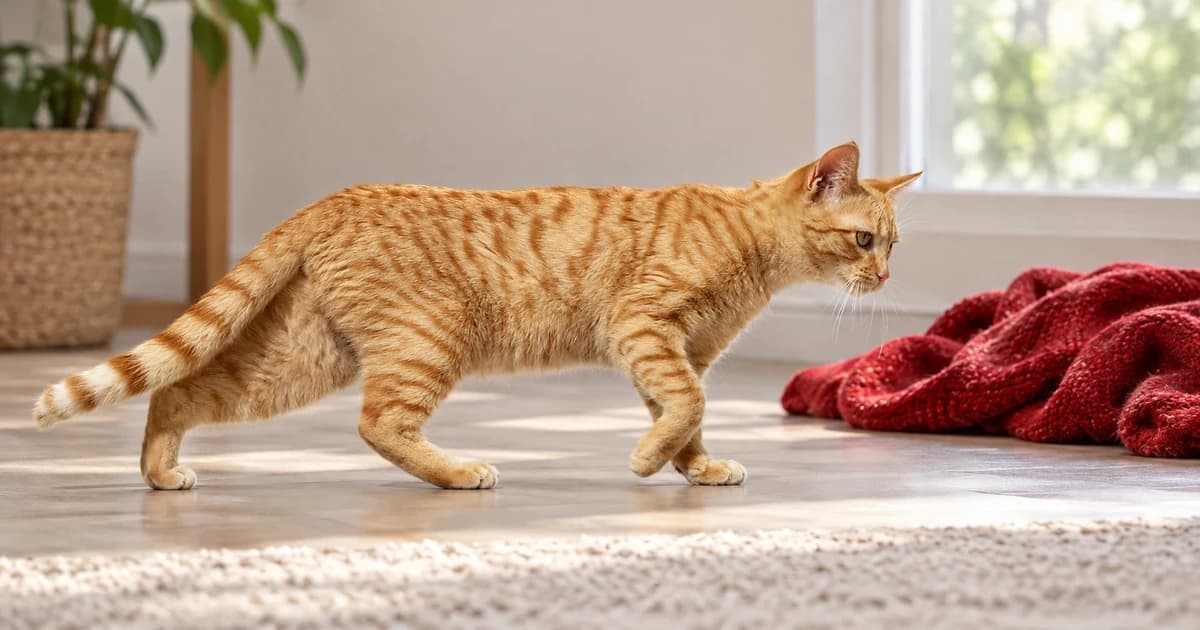
When asking can cats wear clothes, start by separating a novelty costume for human photos from a medical recovery vest recommended by a veterinarian. Cats Protection advises against dressing cats up for human amusement: clothing can restrict natural movement, block coat grooming, interfere with body-temperature regulation, and cause distress during handling. A cat standing still or flopping over in an outfit is not proof that the cat enjoys wearing it.
Match your next action to the purpose of the garment
Cosmetic outfits, veterinary post-op vests, and warmth management for hairless breeds call for three different actions. Use the table below so you never treat a prescribed medical vest like a costume—or use a novelty sweater as home medical care:
| Intended purpose | Attributed welfare boundary | Immediate action to take |
|---|---|---|
| Cosmetic photo, holiday or novelty costume | Cats Protection advises against dressing cats for entertainment; Battersea emphasizes letting cats initiate contact and walk away freely. | Skip the outfit or remove it immediately. Celebrate with pet-safe room decor or candid photos of normal behavior instead. |
| Veterinary recovery suit or wound-protection vest | Cats Protection notes medical vests are used only when advised by a vet to protect a surgical site or skin area for a prescribed period. | Follow your treating vet's instructions. If the cat struggles, freezes, or cannot toilet cleanly, contact the treating clinic before removing or swapping the protection yourself. |
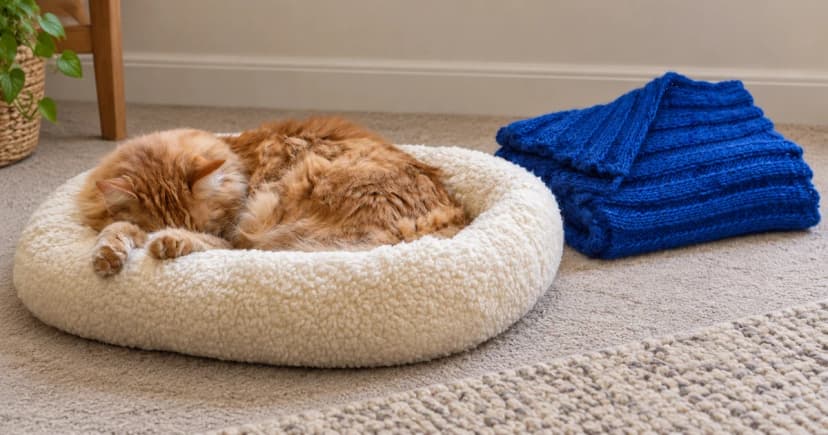
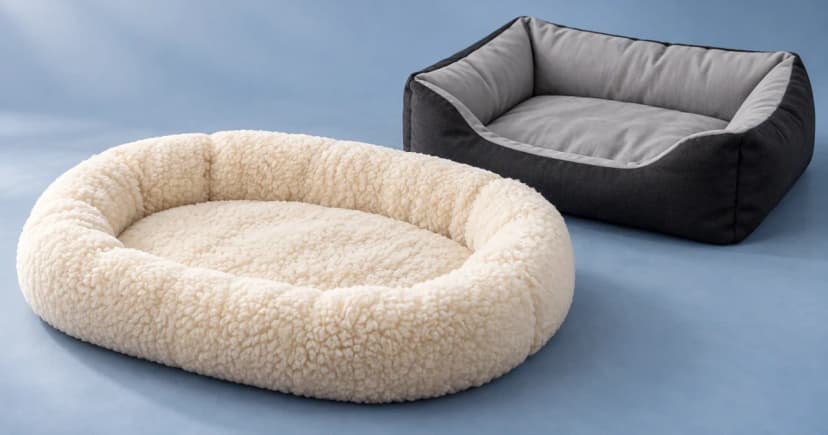
| Warmth concern for a hairless (Sphynx-type) cat | Cats Protection prioritizes a warm indoor environment and extra cozy bedding first, and advises consulting a vet on whether a jumper suits that individual cat. | Upgrade room warmth and enclosed bedding first (see our cat beds and resting directory), and discuss individual garment suitability with your veterinarian. |
Why stillness or flopping is not a comfort test
Backing up, hiding, hissing or biting at fabric are obvious signs of distress, but Cats Protection specifically warns that freezing in place or flopping onto the side is often mistaken for relaxation or humour when the cat actually feels trapped by the garment. Never prolong a dress-up session to get a photo, and remember that normal movement, self-grooming and litter-box posture matter far more than how a garment looks in a picture.
Four questions to bring to your vet for medical or warmth needs
When your veterinarian recommends a post-operative recovery shirt—or when you are discussing cold-weather care for a hairless cat before browsing cat clothing—clarify these four points at the appointment:
- Defined purpose: What exact wound, skin area or thermal need is this garment addressing for this cat?
- Product and fit checks: Which specific design and size should be used, and where should leg, neck and tail openings sit?
- Schedule and supervision: When must the garment be worn, checked underneath, washed or removed?
- Call triggers: What changes in gait, skin redness, grooming, appetite or litter-box use should prompt an immediate call to the clinic?
If your cat shows ongoing hiding, appetite changes or toileting difficulties at any time, Cats Protection's cat-stress guidance recommends a veterinary checkup rather than attributing behavior changes solely to mood.