Choosing cat beds & resting
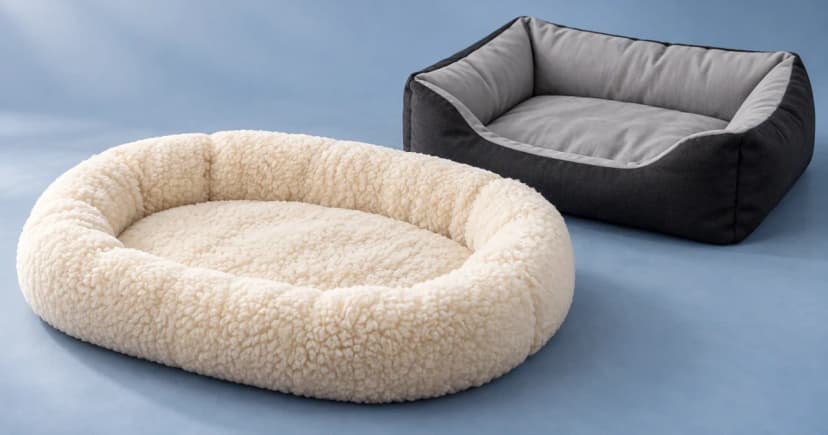
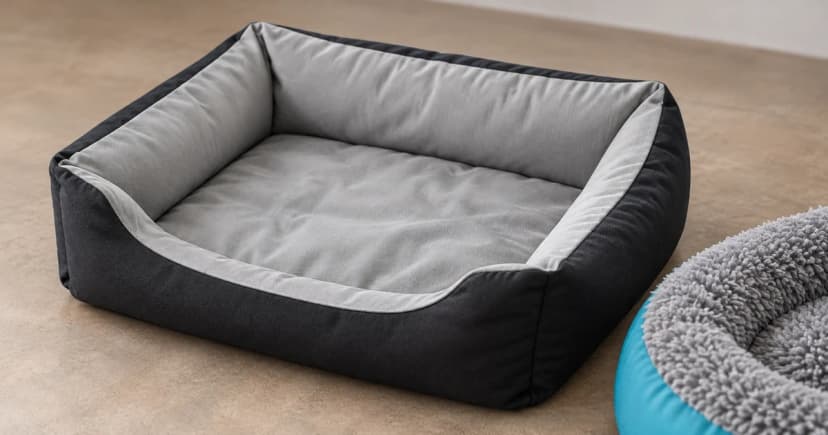
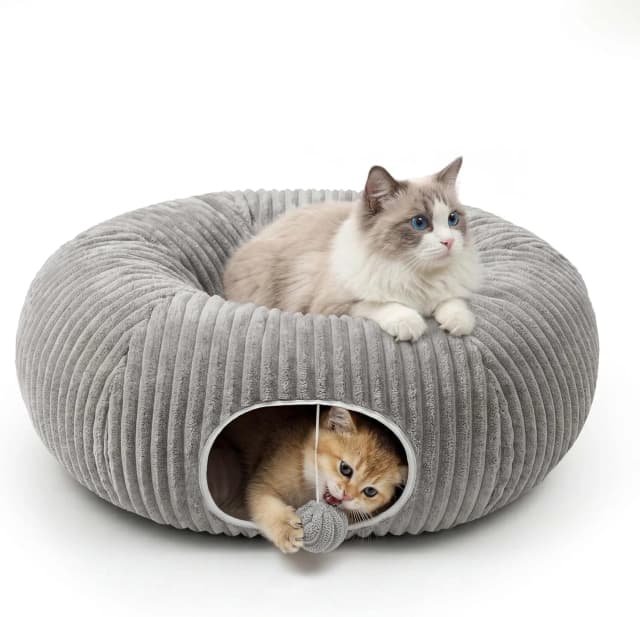
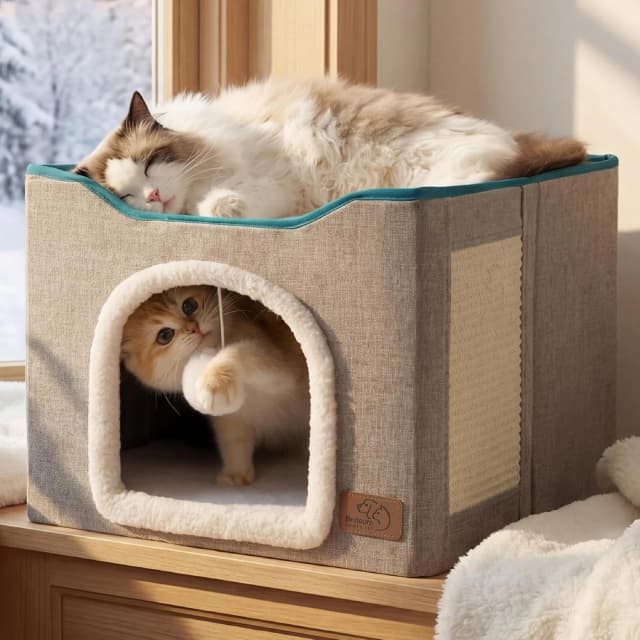
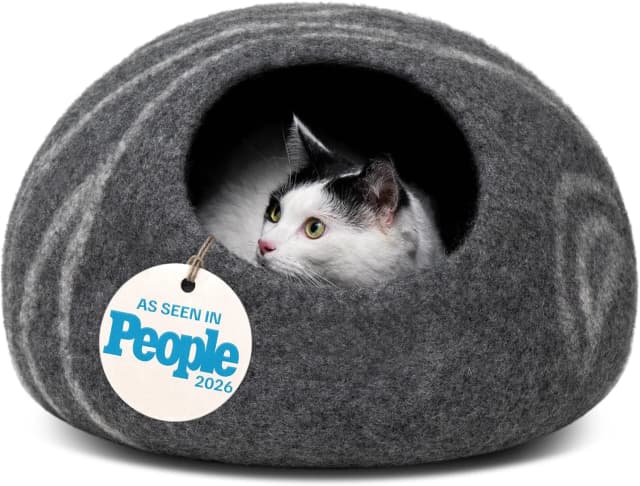
Measure the usable sleeping area rather than only the outside dimensions. Compare the entrance, side height and filling construction with the animal's usual resting position. A cat bed and tunnel combines a sleeping area with a passage: check both the resting surface and the tunnel opening rather than only its outer diameter.
Match the design to your setup
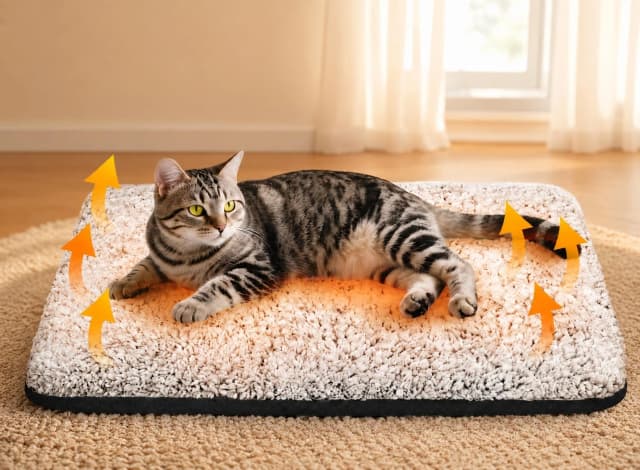
If a cat has soiled its bed, read the care instructions for each layer before cleaning it. Keep the listed dimensions and intended use in mind when choosing a replacement; a new or repeated toileting problem needs appropriate professional advice rather than a different bed alone. Indoor heated cat beds need model-specific electrical and placement instructions; a heating pad for cat bed use must be intended for that purpose.
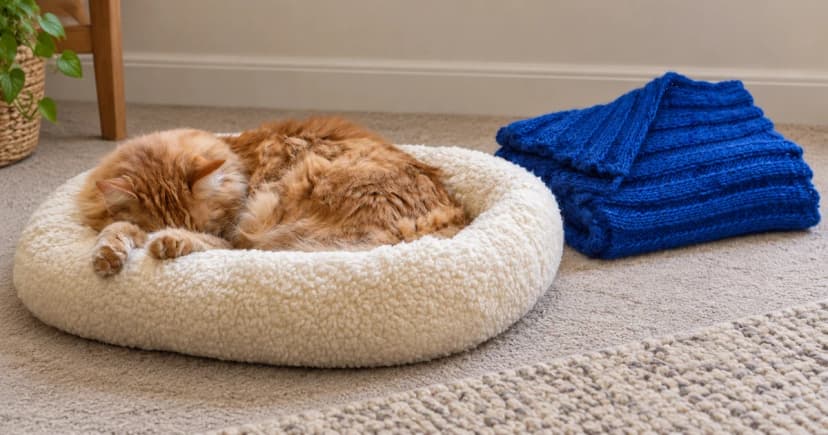
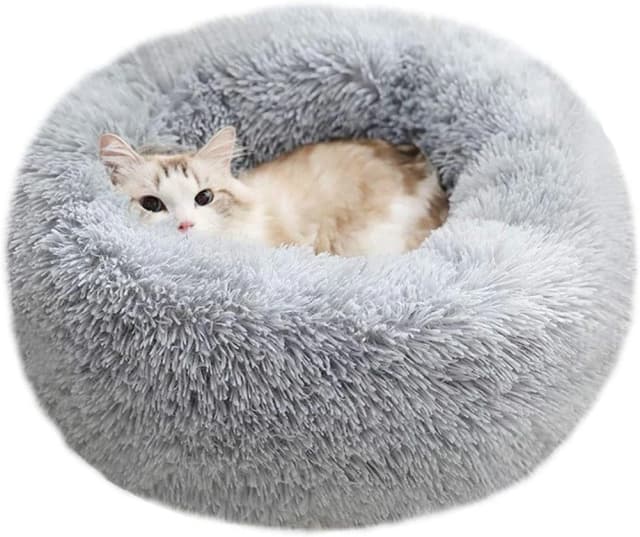
For a wall-mounted cat bed, check mounting-surface compatibility, attachment instructions and clearance around the installed bed. Leave room to approach, enter and clean the resting surface. A plush donut cat bed should leave enough usable space inside the raised edge.
For an elevated flower cat bed, compare the usable dimensions and construction alongside the decorative style. For a cat bed for Maine Coon cats, measure the individual cat's sleeping position instead of relying on the breed name.
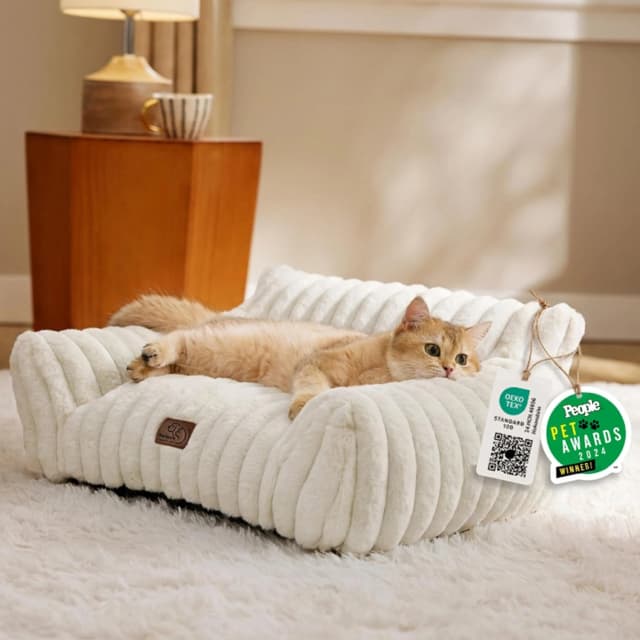
When comparing an organic cotton cat bed, read the actual material specification and check how the contact surfaces are cleaned or replaced. Compare the washable layers and entry height of memory foam cat beds with the cat's normal resting habits; a filling name does not establish a medical benefit.
Check which layers can be washed, how covers are removed and whether the base suits the intended floor or enclosure.
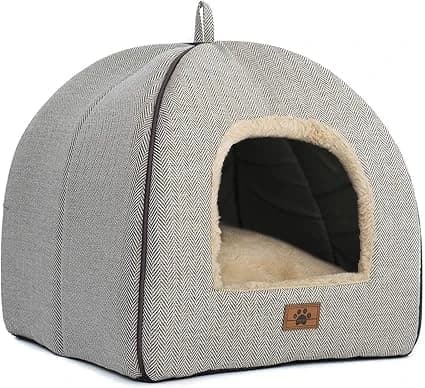
Continue with Cat Caves & Covered Beds, Cat Cushion Beds, and Cat Hideaway Houses to compare the equipment for a more specific task.