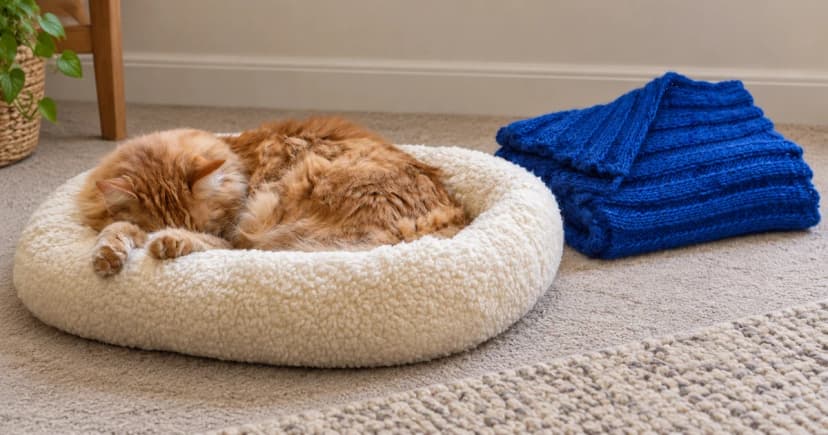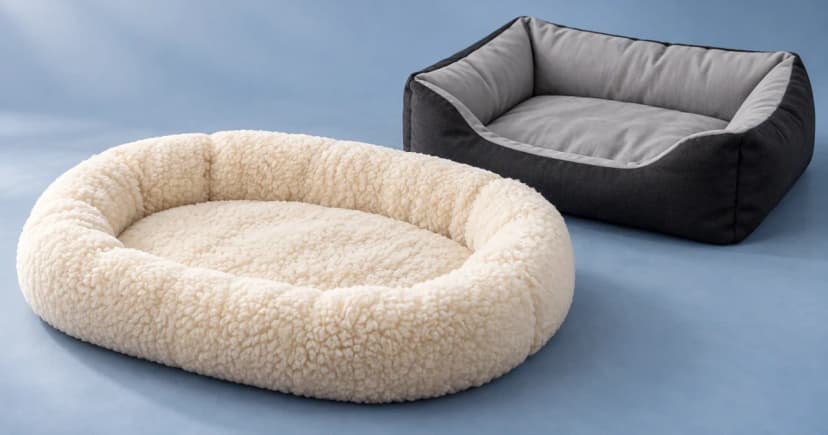
Effective heated cat bed safety starts with matching the physical bed, internal heating element, and power adapter to the exact instruction manual for that model. Before plugging in a heated cat bed, run through four core heated cat bed safety checks: verify voltage and indoor location limits, confirm pet age and chewing exclusions, make sure your cat can freely step off the heated zone, and check component numbers against historical recall notices.
This guide covers electrically powered beds and warmers. Passive thermal mats that reflect body heat without a cord work differently; see our self-warming cat-bed explanation to compare those non-electric designs.
Match the parts and manual before connecting power
Check the model tag on the fabric cover, the label on the internal heater, and the stamped ratings on any external wall adapter. Because one brand can sell multiple similarly named beds and pads over different years, never rely on brand name alone—and if a secondhand or mismatched unit lacks matching model tags, keep it unplugged.
| Safety Check Area | What to Verify on the Exact Unit & Manual |
|---|---|
| 1. Component identity match | Bed cover, internal warmer, and power adapter carry matching model numbers covered by the same manual. |
| 2. Power supply & placement | Matches stated household AC voltage, indoor-only scope, cord routing away from foot traffic, and room for the cat to lie off the heated area. |
| 3. Pet eligibility & exclusions | Meets stated species, minimum age, weight range, and exclusions for pets that chew or cannot move away independently. |
| 4. Stop-use & dry-only boundaries | Zero cracks, deformation, cord fraying, or moisture exposure on electrical parts; unplug when not in use. |
Keep each manual's conditions attached to its specific product
The official one-page K&H Thermo-Kitty Bed manual specifies 110–120V AC household use, routing the power cord out the rear away from normal walking paths, and ensuring the pet always has room to lie on or off the heated bed. It prohibits submerging the cord, plug, or heater, puncturing the heating pad, or operating any unit with a damaged cord/plug or malfunction, and directs owners to unplug the bed when not in use.
Because that one-page sheet carries no printed publication date, verify that its model reference matches your specific K&H unit rather than applying it to outdoor pads or other brands.
PetSafe's Heated Wellness Pad manual (©2008, document 400-1095-17) covers a different, rigid/pad product line for indoor 120V AC use. Its Small (PHP17-11812, up to 15 lb) and Medium (PHP17-11813, up to 45 lb) sizes cover dogs and cats older than 6 months, while Large (PHP17-11814) is specified for dogs only, not cats. Its warnings exclude puppies and kittens 6 months or younger as well as pets known or likely to chew.
Document 400-1095-17 requires inspecting the pad before and frequently during use, stopping use immediately if cracking, chewing, blistering, or deformation appears, and never folding, crushing, immersing, or opening the sealed unit. Keep those 2008 Wellness Pad specifications separate from the soft-sided Heated Wellness Sleeper line discussed in the 2010 adapter recall below.
Check historical CPSC Recall 10-283 against exact adapter markings
On June 29, 2010, the U.S. Consumer Product Safety Commission issued CPSC Recall 10-283 for specific power adapters sold with PetSafe Heated Wellness Sleepers. Rather than treating every PetSafe heated product as recalled—or overlooking an affected adapter—check the exact fields in the identification card below:
| Recall Field | Documented Details in CPSC Notice 10-283 |
|---|---|
| Recall Date & Reference | June 29, 2010 — CPSC Recall No. 10-283 (Radio Systems Corporation) |
| Product Scope | Power adapters sold with PetSafe Heated Wellness Sleepers (distinct from the ©2008 PetSafe Heated Wellness Pad PHP17-11812/11813/11814 above) |
| Recalled Adapter Identifiers | Class 2 transformer power adapters marked K12-800 that feature spring coils along the wire |
| Explicit Exclusion | Power adapters without spring coils along the wire are excluded from CPSC Recall 10-283 |
| Stated Consumer Action & Boundary | Stop using the recalled spring-coil K12-800 adapter immediately per the notice; never modify wiring or attempt to reproduce overheating faults, and note that a 2010 notice does not establish current replacement adapter inventory today |
Record whether the equipment is ready, stopped, or on hold
Keep a short inspection log recording the bed model, heater and adapter part numbers, matching manual code, cord and surface condition, and whether the unit passed or was retired. Missing labels, mismatched adapters, or chewed cords require taking the bed out of service immediately—even if the surface still warms up when plugged in.
Always separate electrical safety checks from fabric laundering: our cat-bed washing guide covers removable covers and non-electric cushions, and never authorizes wetting an attached heater. You can compare resting options in cat beds and resting equipment with your safety checklist in hand.