Clothes for a photo or celebration are different from a garment recommended for a particular veterinary need. Cats Protection advises against dressing cats for human amusement: an outfit can interfere with movement, grooming and temperature regulation, and putting it on may itself be uncomfortable. A cat staying still does not establish that they enjoy wearing it.
If your vet has recommended a medical vest, or you are considering warmth for a hairless cat, discuss that defined purpose with them. A costume, a product labeled calming and a veterinary recovery garment are not interchangeable.
Start with the reason for the garment
Write down what you want clothing to achieve. Is it a photograph, a seasonal outfit, protection of a particular surgical site, or a concern about warmth? This separates a human preference from a question that needs individual medical guidance.
Cats Protection describes medical vests as something a vet may recommend to protect a wound, surgical site or area of skin. It says to use one only when advised by the vet, who should also guide how long it is worn. That is not permission to select any shirt for an unassessed wound or to substitute clothing for prescribed care.
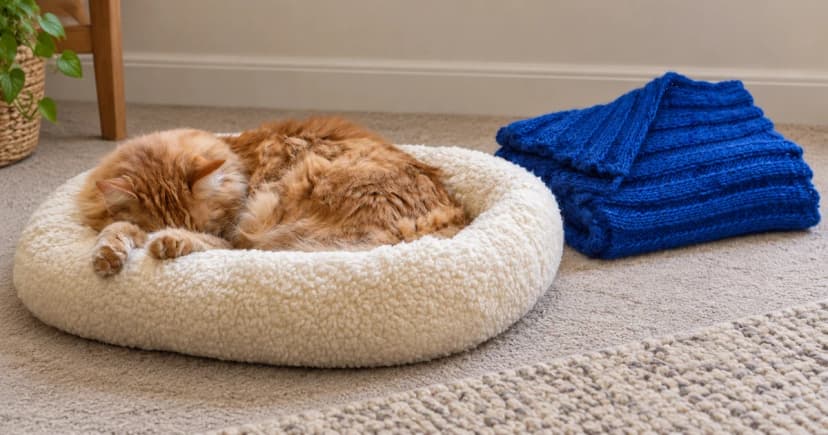
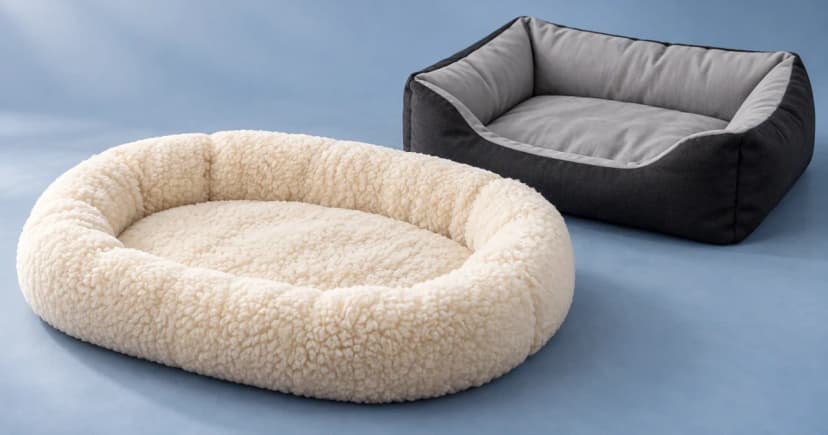
For hairless cats, the same source first emphasizes a sufficiently warm environment and additional bedding, then recommends discussing whether a jumper is appropriate with a vet. It does not provide a temperature threshold or a universal sweater rule. Our cat beds and resting directory can help you compare resting options, but a bed description does not determine an individual cat's warmth needs.
Stillness is not a comfort test
Trying to get away, hiding, hissing or clawing at clothing are reasons to stop a cosmetic dress-up attempt. Freezing or going floppy also deserves attention. Cats Protection specifically warns that these reactions can be mistaken for relaxation when the cat cannot escape the clothing.
Do not prolong the situation to obtain a photograph or assume that lack of resistance means consent. For a costume, remove it and give the cat space. If a garment is part of veterinary care and the cat is having difficulty with it, contact the treating practice for advice rather than deciding on a different medical setup yourself.
A single pose or facial expression is not a home diagnosis of stress. Notice the sequence: what happened during handling, after the garment went on and after the situation ended. The distinction is between describing the change you saw and asserting what caused it.
Consider ordinary activities, not just appearance
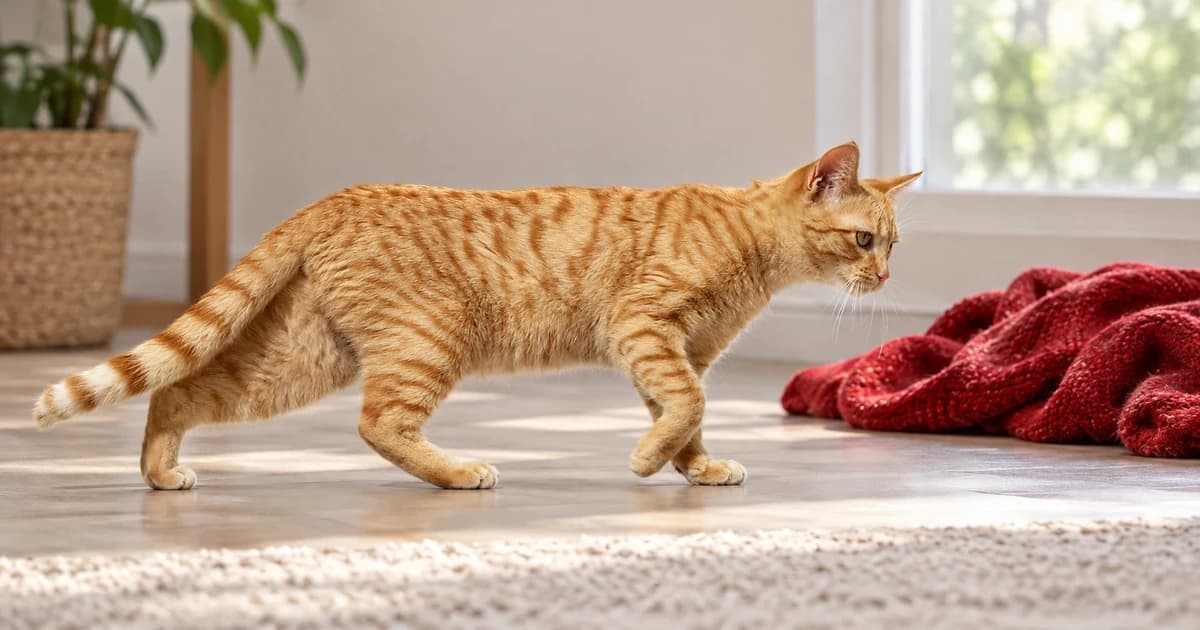
Movement, access to the coat for grooming and toileting matter more than how neatly the outfit sits in a photo. An accessory that looks light or loose can still interfere with the individual cat's normal activities. Photos and size labels cannot establish that those activities remain unaffected.
Battersea's handling guidance emphasizes individual preferences, allowing the cat to initiate contact and providing an easy way to leave. Repeated restraint to put an outfit back on conflicts with that choice. This article does not offer a costume-acclimation program or a fitting test that certifies comfort.
If you are comparing items in our cat clothing category, review the specific intended use and manufacturer information with the relevant purpose in mind. The existence of a category does not establish a medical indication, calming effect or suitability for your cat.
Bring useful questions to the vet
For an advised medical garment or a genuine warmth concern, take a short list of questions instead of relying on the outfit's name:
- What exact purpose should this garment serve for this cat?
- Which product and size should be used, and how should its use be checked?
- When should it be worn, reviewed or removed?
- What changes in movement, skin, grooming or toileting should prompt a call?
These are questions for the treating professional, not instructions to inspect or treat a wound at home. If you notice symptoms or an ongoing change in behavior, Cats Protection recommends a veterinary visit; physical changes such as weight loss or toileting problems make assessment particularly important.
Choose a celebration the cat can leave
You can make the occasion festive without placing an outfit on the animal. Dress yourself, keep decorations away from the cat, or take a photo during an ordinary voluntary interaction. Quiet company may be preferable to touch, handling or play at that moment.
The useful decision is about purpose and the individual animal: skip clothing intended only for your entertainment, and ask the vet about a defined medical or warmth need. Neither a still photograph nor a reassuring product label replaces that assessment.