Some dogs can fly in the cabin, but a small dog, a passenger ticket or a carrier purchase does not settle acceptance. Check the airline operating each flight, the route and cabin, the conditions for your particular dog and the process for adding the pet to the trip.
This guide concerns ordinary pet travel. It uses three airline pages checked on October 18, 2026, rather than a rule for every airline. It does not determine destination entry requirements, medical fitness or service-animal eligibility.
Check the actual journey before relying on a booking
Write down each flight leg, including the airline shown as operating it, its date, route and cabin. Keep the return journey in the same record. A connection or a differently operated flight needs its own answer; the name that sold the passenger ticket is not enough to complete the pet check.
Prepare the information the operating airline asks for about the dog and carrier. Then distinguish a published policy that permits some cabin pets from available pet space on the actual flight. Record what remains unconfirmed before treating the journey as arranged.
American: complete the pet-addition process for the intended flights
American Airlines' pet page limits carry-on pets to qualifying cats and dogs and sets size, age and destination conditions. Its destination and cabin restrictions mean that a general statement about pets on American does not answer every itinerary.
The current page describes finding the trip on the website or app, choosing Add carry-on pets under additional services, reviewing the requirements, selecting the flights and confirming the changes. Use the actual current process presented for your trip. The page separately directs passengers to the airport ticket counter for the pet fee and the pet-and-carrier check.
American also distinguishes flights operated by another airline, even when an American flight number is used. Check that operator's requirements rather than assuming the same pet arrangements cover the whole ticket.
Delta's pet-travel overview describes qualifying small pets on domestic flights within the contiguous United States. Travel beyond that area has additional requirements and destination exceptions; do not turn the domestic example into worldwide acceptance.
The page says cabin pet space is limited and handled on a first-come basis.
For partner-operated flights, Delta directs passengers to that partner's pet policy. Its airport process includes a separate pet-and-carrier check at the Special Service Counter. Keep that remaining check distinct from adding a pet to a reservation.
Southwest's pet policy describes small, vaccinated domestic cats and dogs in suitable carriers on domestic flights, with destination-specific policies still applying. That airline statement is not a vaccination prescription or confirmation of destination entry compliance.
The page says space is limited and recommends making a reservation in advance by calling the airline. Check the current contact route on its official page and resolve the arrangements for the intended flight.
Southwest also describes a pet fare and conditions for behavior, containment and under-seat stowage. Its warning that transportation may be denied if requirements are not met is a reason to keep those conditions in the travel plan, rather than regard a reservation as guaranteed boarding.
Keep acceptance, equipment and documents as separate questions
A useful note identifies the actual flight, the applicable policy and the result of the pet-booking process. Add any remaining question and the airline's response. Avoid a single “pet travel approved” box that hides unanswered conditions.
Carrier measurements are another task. Our in-cabin carrier comparison guide separates outside dimensions, usable interior and flight-specific space. This guide does not repeat its size tables, and neither task establishes destination entry or health-document compliance. Consult the relevant authorities and your vet for those questions.
If the operator, route, cabin or pet arrangements change, revisit the unanswered items with the operating airline. If cabin travel is unavailable, do not assume another transport program has accepted the dog.
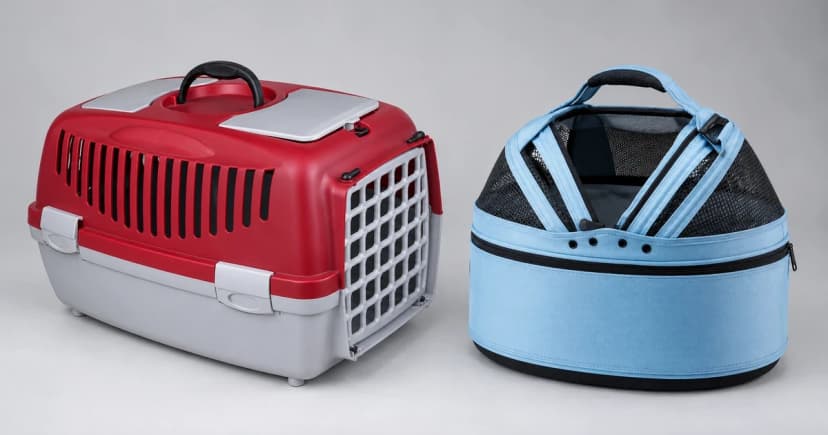
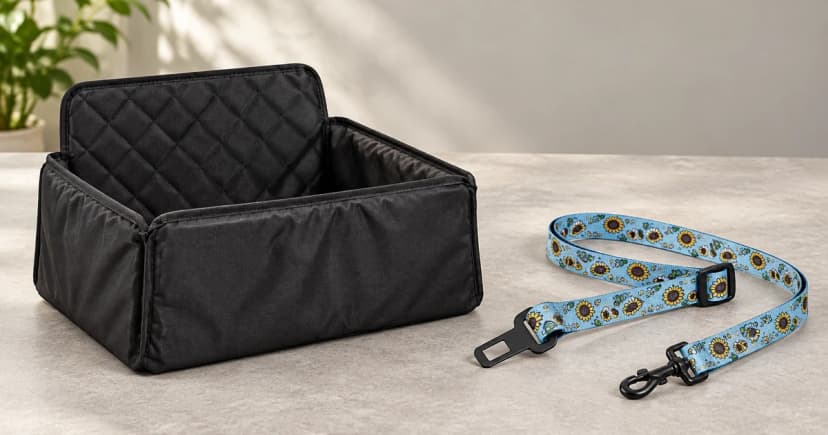
Browse soft-sided carriers or hard-sided carriers only against the confirmed requirements for the actual journey. A product label or photograph cannot supply that confirmation.
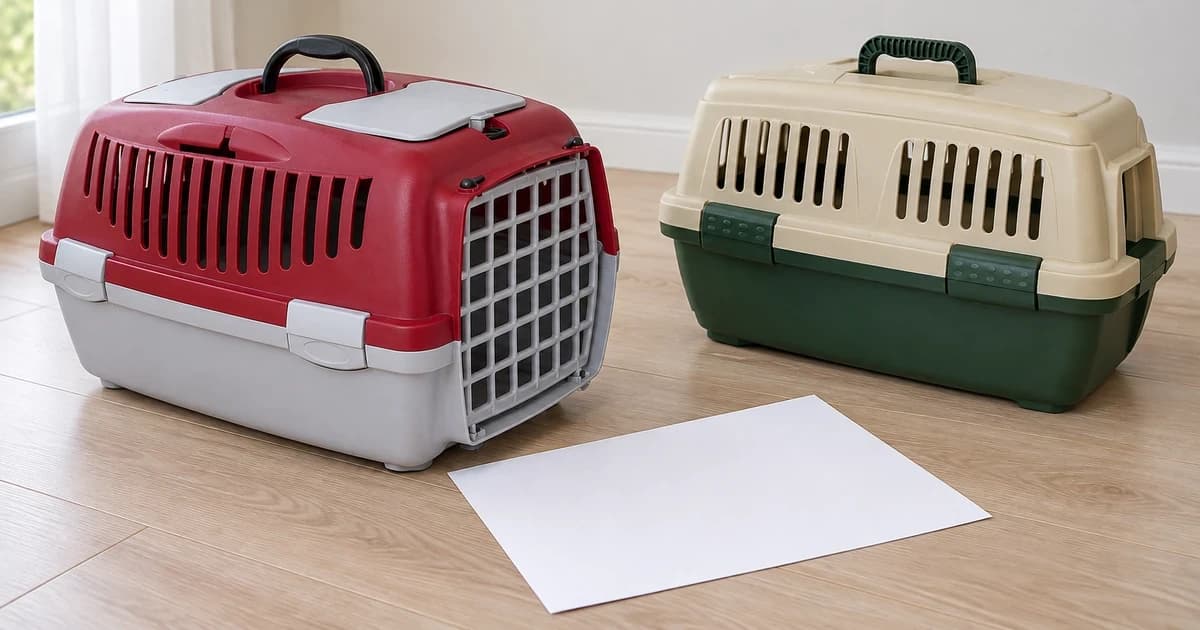
The photo-based edited illustration shows generic empty carriers from two different source photographs, without a scale, airline approval or reservation evidence.