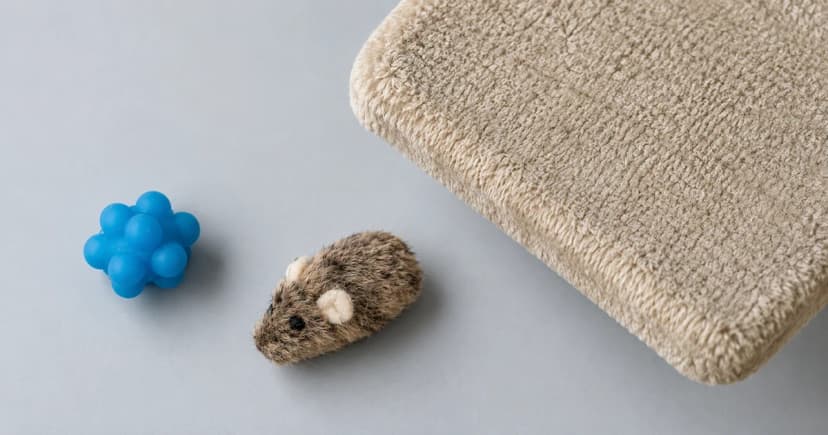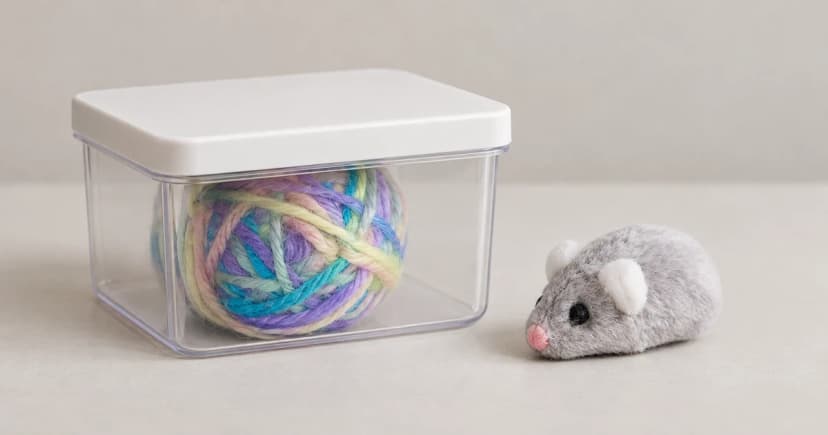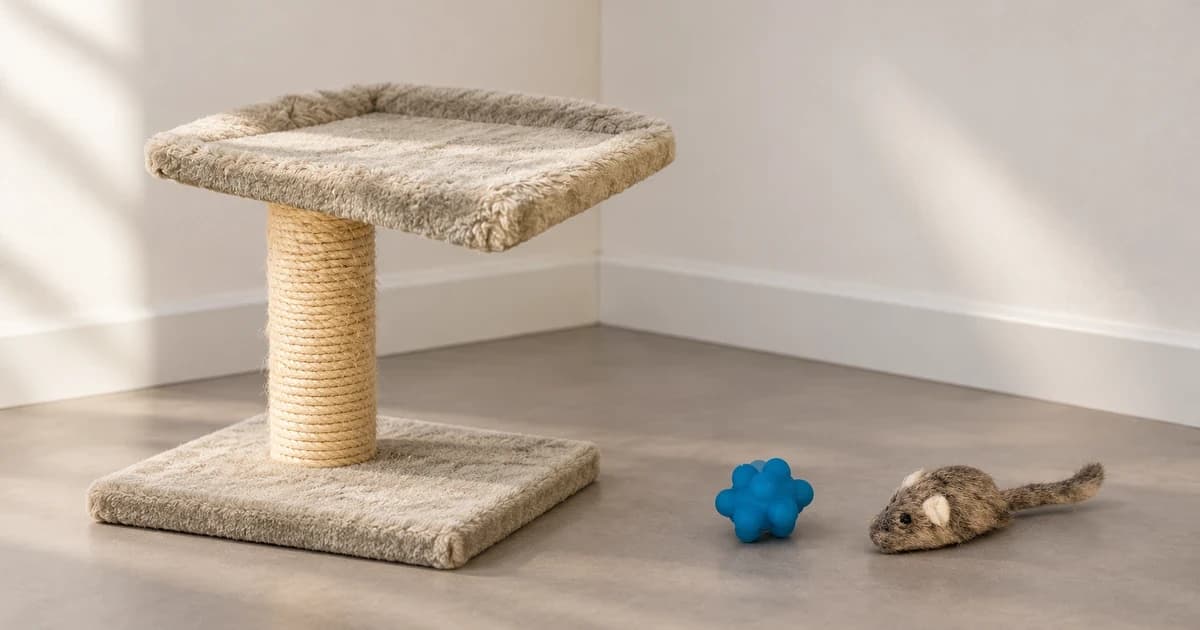
Learning how to keep indoor cats entertained starts with offering voluntary choices across the day: a quiet place to retreat, elevated spots to watch or climb, a stable scratching surface, and short play invitations your cat can accept or decline. Focus on clear access to those everyday stations rather than trying to fill every quiet hour with continuous activity.
A practical indoor plan maps where each option sits, when your participation is involved, and what your cat actually chooses, while treating rest and withdrawal as normal parts of the day.
Check the ordinary routes before adding entertainment
A bed, window perch or scratching post can sit in a room without being comfortable for a cat to reach. Check the travel path first: does your cat have to squeeze past a noisy doorway, pass another pet, or step into an area where household traffic constantly interrupts?
Battersea's cat-friendly home guidance emphasizes resource placement, predictable surroundings and the cat's freedom to choose or withdraw. Keep familiar food, water, litter and resting stations easy to reach before introducing extra games.
Keep retreat and observation available as choices
RSPCA guidance on a good home for cats highlights enclosed hiding spots, raised resting areas and climbing opportunities. Because a cat may prefer to watch quietly or nap rather than join a game, leave that choice uninterrupted instead of lifting a sleeping cat out of a hideaway.
When selecting vertical furniture, use our cat tree selection guide to compare perch dimensions, base footprint and assembly requirements. In multi-cat homes, check whether each cat has an unobstructed approach so two cats are never forced to share a single favored lookout.
Separate the opportunities instead of demanding every activity
AAHA's indoor enrichment guidance distinguishes outlets for predatory play, climbing and scratching. Treat these as distinct environmental stations:
| Opportunity | What to plan | What to observe |
|---|---|---|
| Quiet retreat | An enclosed or sheltered spot where the cat can step away from household activity. | Whether the cat can enter and rest without being followed or disturbed. |
| Watching and climbing | A stable perch or multi-level tree with a clear step-up route. | Whether the approach is comfortable and when the cat chooses to perch. |
| Scratching | A sturdy post or pad placed near a sleeping area or room transition point. | Which texture and vertical or horizontal angle receive regular use. |
| Interactive play | An open floor strip for supervised wand or chase invitations. | Whether the cat approaches, stalks, pounces, catches or walks away. |
Use our scratching post guide to match post height and sisal or cardboard orientation to your cat's stretching habit.
Illustrative example: a one-room layout and optional day invitations
To make planning concrete, the example below shows how a single living room can arrange all four stations without turning the day into a mandatory schedule (illustrative household layout, not a prescriptive quota):
- Corner retreat zone (always open): A covered felt cave or quiet carrier with the door secured open sits behind an armchair away from the hallway door—nobody reaches inside when the cat enters.
- Window observation & scratching station (always open): A multi-level perch sits beside the window with a vertical sisal post positioned two steps from the sofa where the cat stretches after naps.
- Morning voluntary invitation (when the cat is alert): Offer a 5-minute wand session across the open rug using our cat play guide so the toy moves away like prey and ends with a physical catch, then store the wand out of reach.
- Midday quiet rest & optional foraging: Leave the afternoon free for undisturbed sleep or window watching; if your cat enjoys working for dry kibble or treats alongside regular meals, set out a familiar device introduced via our food puzzle introduction guide.
- Evening choice check: Roll a small ball or offer a brief second wand invitation when your cat walks into the room alert; if your cat prefers to stay on the perch and watch, respect that choice and end the invitation calmly.
Record use, then change one part at a time
Jot down what actually happened after an invitation before changing your setup:
| Plan field | Your note |
|---|---|
| Opportunity and location | Choice offered: ____ Room or route: ____ |
| Available moment | When the cat could choose it: ____ My participation needed: ____ |
| Observed use | Approached / watched / played / scratched / rested / left: ____ |
| Access or interruption | What happened nearby: ____ Ordinary resources still accessible: ____ |
| Next adjustment | Repeat as is / move to a quieter spot / simplify the setup / offer at a different time / consult your vet if behavior changed suddenly: ____ |
Adjust one variable at a time—such as moving a play session away from a noisy doorway while keeping the toy identical. When comparing different toy shapes, use our guide to matching cat toys to observed play and browse cat toy categories.
Keep the plan flexible when circumstances change
If your cat shows a sudden shift in energy, hiding or vocalizing, consult your veterinarian rather than assuming the cat simply needs more games. Our guide to the limits of boredom signs explains why behavior changes require health context first, and our editorial policy outlines how we separate welfare guidance from product claims.