To clean a degu enclosure properly, remove wet or soiled bedding and mouldy food caches immediately as a daily routine, perform wider enclosure cleaning on its own schedule (at least weekly per the RSPCA, or as a full strip-out with pet-safe disinfectant per the PDSA), and return a portion of dry, unsoiled bedding so your degus keep a familiar scent. Retaining familiar scent never means leaving damp, soiled, or mouldy material inside the cage.
Prepare a Safe Waiting Space and Record the Layout
Keep food, water, hiding places, and suitable degu companions accessible together in a secure holding space while the main enclosure is out of service, as the RSPCA degu behaviour guide recommends.
Before moving your degus—using our degu handling guide whenever a transfer is needed—jot down or photograph the current positions of levels, ramps, hides, food/water stations, and door closures. Recording the pre-clean setup gives every caregiver a clear reference for restoring the habitat later.
Remove Daily Wet Waste and Check Food Caches
Both the PDSA and RSPCA guides emphasize daily spot-cleaning: remove wet or soiled bedding and uneaten perishable food every day, paying close attention to toilet corners and feeding zones.
Because degus cache food, inspect their hidden food stores during your checks and remove any damp or mouldy items right away.
Clean the Wider Degu Enclosure
The RSPCA degu housing guide recommends cleaning the wider enclosure at least once a week—a schedule that complements, rather than delays, daily spot-cleaning of wet areas.
When carrying out a full strip-out, the PDSA degu guide describes removing the bedding, toys, and levels and washing the enclosure with a pet-safe disinfectant.
Always read the specific disinfectant label to confirm that it is suitable for degu housing and the exact cage materials (metal, glass, wood, or plastic) you are washing. Follow the label's exact instructions for dilution, surface contact time, rinsing, and complete drying before returning your degus—a generic “pet-safe” front label never supplies those mandatory steps.
Before stripping out the substrate, set aside a handful of used, dry, unsoiled bedding to mix back in afterward so the cleaned enclosure retains a familiar group scent without reintroducing dirty material.
Restore the Habitat Using a Before-and-After Handover Check
Inspect the cage mesh, tray edges, shelves, and chew furnishings for sharp wear or gaps that could injure a degu or allow escape.
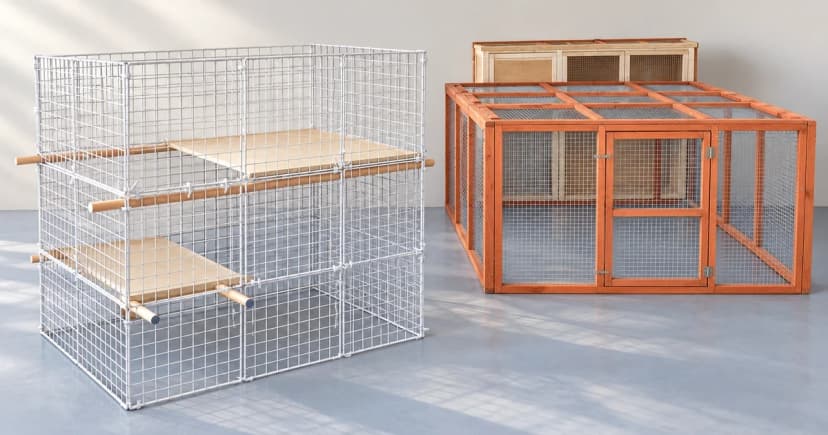
Use the caregiver handover card and diagram below to match your restored setup against the pre-clean record before bringing your degus back, and review our whole enclosure layout guide whenever you replace worn levels or toys:
| Habitat Element | Pre-Clean Record (Before Disassembly) | Post-Clean Restoration & Return Check |
|---|---|---|
| Levels, ramps & furnishings | Note shelf heights, ramp angles, and wheel/branch brackets before removal. | Confirm all washed items are completely dry, free of sharp splinters or damage, and securely refastened at their recorded levels. |
| Hiding places & nest areas | Record where hides sit and set aside clean, dry, unsoiled bedding before stripping the tray. | Restore hiding places and blend the reserved dry, unsoiled familiar bedding into fresh substrate (never reuse wet or soiled bedding). |
| Companions & waiting area | Keep bonded degus together in a secure holding carrier/pen with hides, food, and water. | Return social companions together only after disinfectant rinsing and full drying are complete per the product label. |
| Food stores & fresh water | Check and clear mouldy cached food; note bottle/bowl mounting heights. | Refill fresh water and dry food at accessible heights; confirm spout flow after rehanging. |
| Door closures & escape points | Note every door latch, clip, and tray join before opening the frame. | Verify that all doors, clips, and pan joints lock securely with no chew-widened escape gaps. |
If you notice altered behavior or repeated signs of fear or stress after handling or enclosure changes, consult your veterinarian or a clinical animal behaviourist as the RSPCA behaviour guide advises.