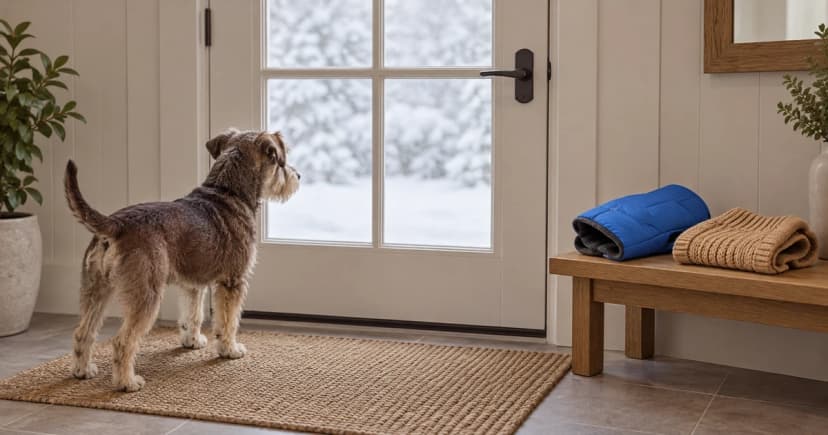
Some dogs benefit from a coat on a winter outing, while others may be comfortable without one. Decide for the individual dog and the conditions ahead: their fur and current needs, wet or windy exposure, the planned activity and how they respond. A breed name or one temperature number cannot answer the whole question.
A garment is also only part of the decision. If your dog is not coping with the outing, changing the plan or returning to warmth matters more than continuing because they are wearing a coat.
Consider the dog before choosing a garment
PDSA's winter-coat guidance identifies fur, age, health and coat condition as reasons some dogs may need extra warmth. It also describes dogs with thick fur that may not need an additional layer while active outside. These are considerations for your dog, rather than a guarantee for every member of a breed.
Start with what you know about this dog. Have they previously seemed uncomfortable during a comparable outing? Has their coat or health situation changed? If age, illness or another individual concern makes the decision unclear, ask your veterinarian about that dog's needs rather than selecting clothing from a general list.
In the AKC's winter-coat guide, veterinarian Jolee Stegemoller explains that there is no exact temperature that is too cold for all dogs. The article discusses individual coat and medical considerations and recommends veterinary advice when the need is uncertain. Its numerical weather and time examples should not become a universal rule for your outing.
Describe the outing as well as the weather
Write a brief plan before deciding on a layer. Include whether the dog will be active or waiting, whether the ground and air are wet, and how you will return to shelter. That note helps you identify a need without assuming the coat will make any exposure suitable.
| Question | What to consider | Decision to keep open |
|---|---|---|
| How does this dog cope? | Fur, current individual needs and previous response in similar conditions | Whether extra warmth is useful or professional advice is needed |
| What is the exposure? | Cold, wind and wet conditions along the planned route | Whether the intended garment addresses that particular need |
| What will the dog be doing? | Moving, pausing or waiting rather than simply being outdoors | Whether to change the activity or outing instead of adding clothing |
| Can the dog wear it comfortably? | Voluntary acceptance and freedom to move | Whether to pause rather than put the garment on for the first time outside |
| How will you respond? | A clear way to end the outing and return to warmth | Whether the plan is suitable at all |
The worksheet is a planning aid, not a weather rating. A short trip is not automatically comfortable, and an active dog still needs observation. Reassess when the dog or conditions differ from your previous experience.
Separate rain protection from added warmth
PDSA distinguishes a rain layer from garments that include warmth-providing layers. That distinction is useful before shopping: are you trying to address wet exposure, additional warmth or both? The word coat can cover different constructions.
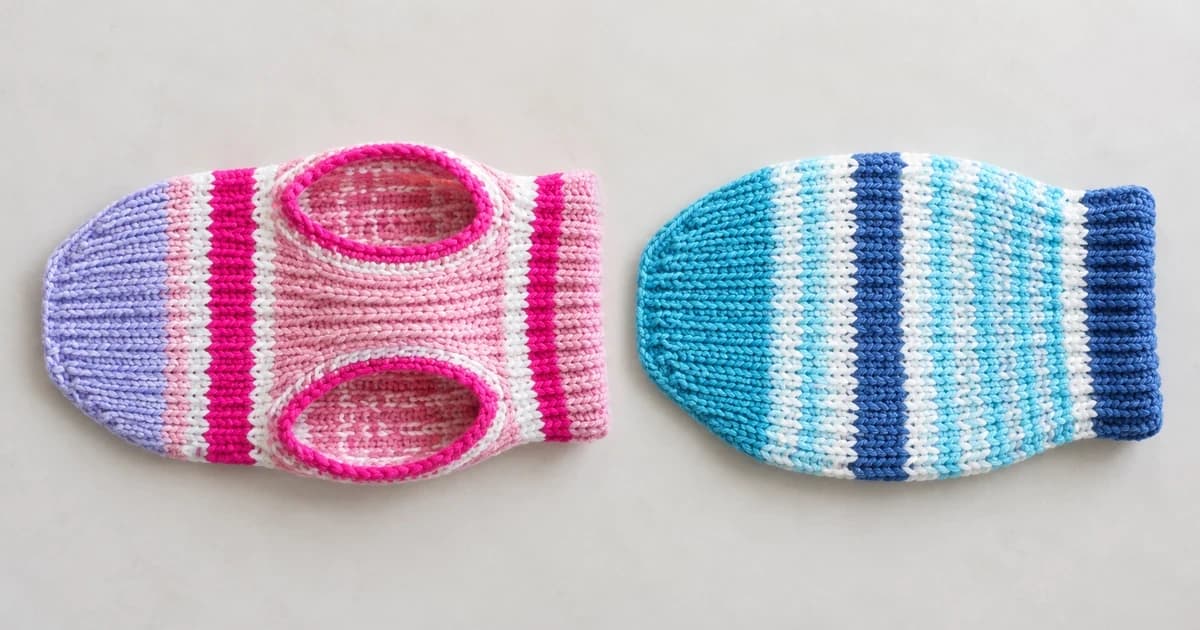
Check the exact item's description and instructions for its stated purpose. A lightweight shell should not be assumed to supply insulation, and a knitted garment's appearance does not establish rain protection. A picture, category name or decorative feature cannot confirm a thermal or waterproof rating.
The coats and jackets category and raincoats category can help you browse the different functions. Confirm the candidate's own information before choosing; listings do not establish current stock, a particular temperature range or suitability for your dog.
Comfort is part of whether the coat is useful
A dog that might benefit from extra warmth still needs a wearable garment. PDSA says the dog should be able to move freely. For the separate measurement and fitting task, use our dog clothing size and fit guide alongside the exact maker's instructions.
Dogs Trust's coat-introduction guidance says to remove the coat if the dog becomes uncomfortable or retreats, and to try another time at an easier stage. Do not assume a new coat will be accepted just because the weather is cold.
Keep introduction separate from the immediate outing decision. If the garment has not been accepted, change the plan rather than force it on to complete a walk. Our raincoat guide addresses wet-weather purpose and introduction in more detail.
Keep observing and be ready to end the outing
PDSA advises returning home and into warmth straight away if the dog shivers or slows down in the cold. Wearing a coat is not a reason to disregard that response. A general article cannot determine why an individual dog is slowing; seek veterinary advice when their condition is concerning or unclear.
Reassess after returning indoors too. PDSA cautions that extra clothing can make dogs too warm in heated homes. The outdoor choice does not automatically remain appropriate inside.
A useful winter decision names the dog's need, the garment's documented purpose and an outing you can change. Keep those three questions together, and let the dog's actual response take priority over a breed rule, a product claim or the fact that a coat is already on.