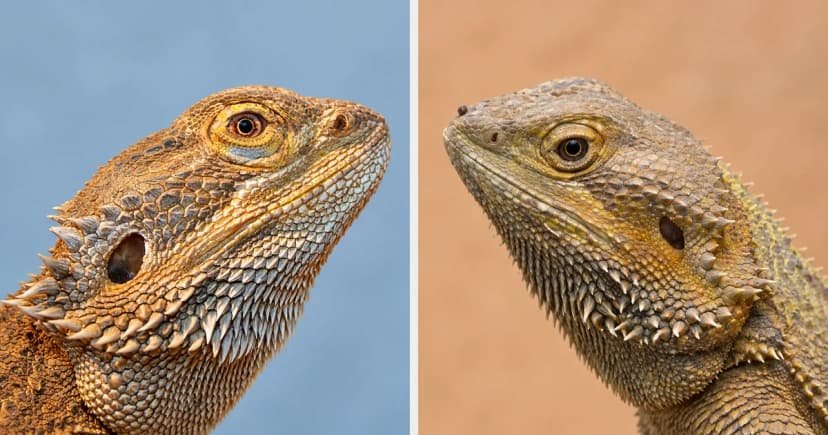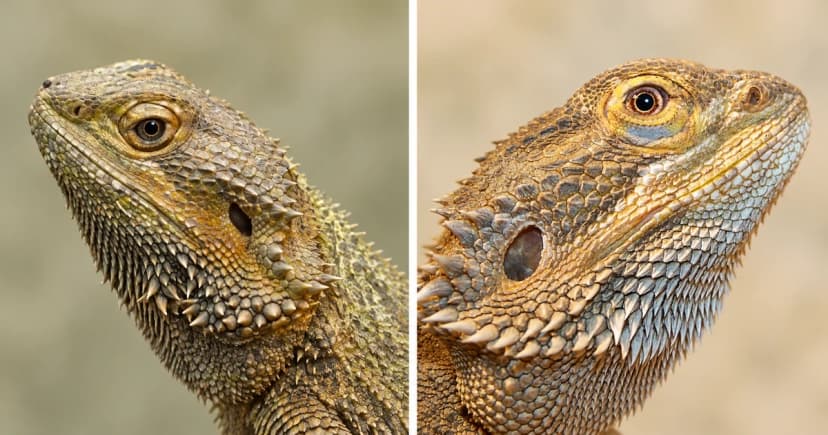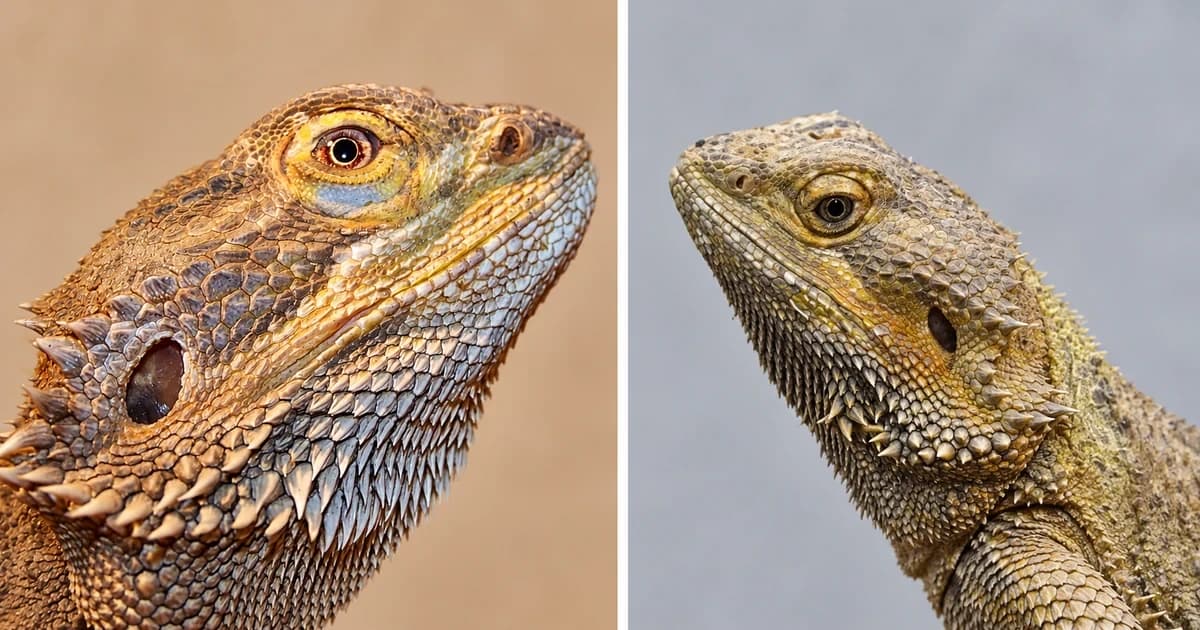
This guide covers handling the common pet bearded dragon (Pogona vitticeps): respect any backing away or threat display by stopping before contact, scoop gently from underneath with both hands so the spine, all four legs, and the tail are fully supported at a low height without squeezing, and lower the dragon back into its vivarium with continuous support before it loses body heat.
Prepare before approaching
The RSPCA care sheet advises washing hands before and after handling and keeping other pets separate. Allow a new arrival time to become familiar with its surroundings before unnecessary handling.
Accept a refusal
Never surprise or grab the dragon. If it backs away or threatens to bite, leave it alone and wait for another time.
Support before lifting
Gently scoop with both hands, supporting all four legs, following the RSPCA's handling method.
RSPCA Australia emphasises supporting the spine and legs on your hand or forearm.
SPCA New Zealand includes the tail in whole-body support. Avoid high holding positions, and do not squeeze a squirming dragon.
| Body Zone / Stage | Hand & Forearm Placement (Side & Top-Down Check) | Source & Stop / Pause Trigger |
|---|---|---|
| 1. Pre-lift approach check | Bring open hands into view slowly from the front/side rather than grabbing from overhead. | RSPCA UK: Pause and leave the dragon alone if it backs away or threatens to bite. |
| 2. All four legs (front & hind feet) | Scoop underneath with both hands so all four feet rest on your palms or fingers rather than dangling. | RSPCA UK: Never lift before all four legs have underneath support. |
| 3. Spine & torso | Rest the full length of the body and spine stably along your hands or forearm at a low height. | RSPCA Australia: Support weight from below; do not squeeze to restrain a squirming dragon. |
| 4. Base & length of tail | Extend your supporting hand or forearm so the tail is supported along with the body. | SPCA New Zealand: Include the tail in whole-body support and avoid high holding positions. |
| 5. Supported lowering & release | Lower the dragon back onto a stable vivarium surface with spine, all four legs, and tail supported until its feet take its weight. | RSPCA Australia & RSPCA UK: Return immediately if handling becomes a struggle, and never keep the dragon out long enough to lose body heat (no fixed minute timer applies). |
Return with support
If handling becomes a struggle, RSPCA Australia advises returning the animal to its enclosure. Maintain body and foot support as you lower it; withdraw your hands when it is supported again.
The RSPCA warns against keeping a dragon outside its vivarium long enough to lose body heat. A universal holding timer cannot account for your actual conditions.
If handling is part of enclosure cleaning, prepare that separate care arrangement before starting removal.