If your cat is missing, begin a careful home and nearby search while organizing reports to the people and services who may see them. Use clear, recent photographs of your own cat, keep track of sightings and check a caller's information before arranging collection. You do not need to wait for a fixed number of hours to begin these steps.
Searching and reporting can happen together. If someone can help, agree who will check accessible places, speak to neighbours and contact local services, so an important call or area is not overlooked.
Check home, then ask nearby occupants to look
Cats Protection's lost-cat guide starts with places where a cat may be hiding at home or in the garden. Look inside cupboards and storage spaces, under furniture and bedding, and around sheds or garages you can access. Check rather than assuming that a familiar hiding place is empty.
Ask neighbours to check their own garages, sheds, outbuildings and vehicles. Give them a real photograph and explain when the cat was last seen. Someone saying they have not seen the cat is different from confirming that they have opened and checked a particular space.
Battersea's search advice also recommends asking nearby property occupants about places where a cat could be shut in. If you recently moved, contact people near the previous address too.
During a local search, call your cat's name and pause to listen. Choose a quieter opportunity when possible, but continue organizing reports rather than treating quiet hours as a reason to postpone every other action.
Notify the microchip registry and local services
If your cat is microchipped, Blue Cross recommends notifying the registered database immediately and checking your contact details. Tell that service the cat is missing and make sure the phone number on the record reaches you. Follow the procedures of the registry that actually holds your cat's record.
Contact nearby veterinary practices, shelters and rescue organizations, and check relevant local lost-and-found services. Provide the same description, photographs and last-seen information. Keep a list of where you have made a report and how each service wants updates.
The charities linked here are based in the UK. Their own forms and named databases illustrate reporting routes; they are not a list of services available in every country. Find the appropriate organizations in your area.
Share genuine identification photographs
Choose recent, clear photographs showing your cat from useful angles and any distinctive coat markings. Include the area and time last seen, a concise description and a contact method on the report or poster. Avoid publishing more personal information than people need to send a sighting.
Cats Protection suggests telling neighbours whether to approach the cat. For a skittish cat, ask them to report a sighting to you instead. That request gives someone a useful action without turning every sighting into an attempted capture.
Use photographs of your actual cat for identification.
Keep reported sightings separate from confirmations
A simple log helps you follow up and update people without confusing an uncertain report with a confirmed match:
| Report | Details to record | Next question |
|---|---|---|
| A possible sighting | Location, time and who observed it | What features did they see? |
| A property checked | Which space and who checked it | Was it opened and searched? |
| A service contacted | Report reference and update route | How will they contact you? |
| A caller reports finding a cat | Description and collection details | Does the information match your cat? |
This is an organizational aid, not a method with a measured recovery rate. Share useful updates with helpers and keep checking local found-cat reports without relying on a promised search radius or return deadline.
Verify a caller and plan collection
Battersea's advice on reported finds recommends asking about distinguishing features before deciding the cat is yours. Compare the information with your real photographs. A sincere caller may have seen another similar cat, so treat the report as something to verify.
Blue Cross warns about callers claiming to have found a pet and asking for processing fees or veterinary costs. A payment request does not confirm the caller has your cat. Verify the report rather than treating the claimed fee as proof.
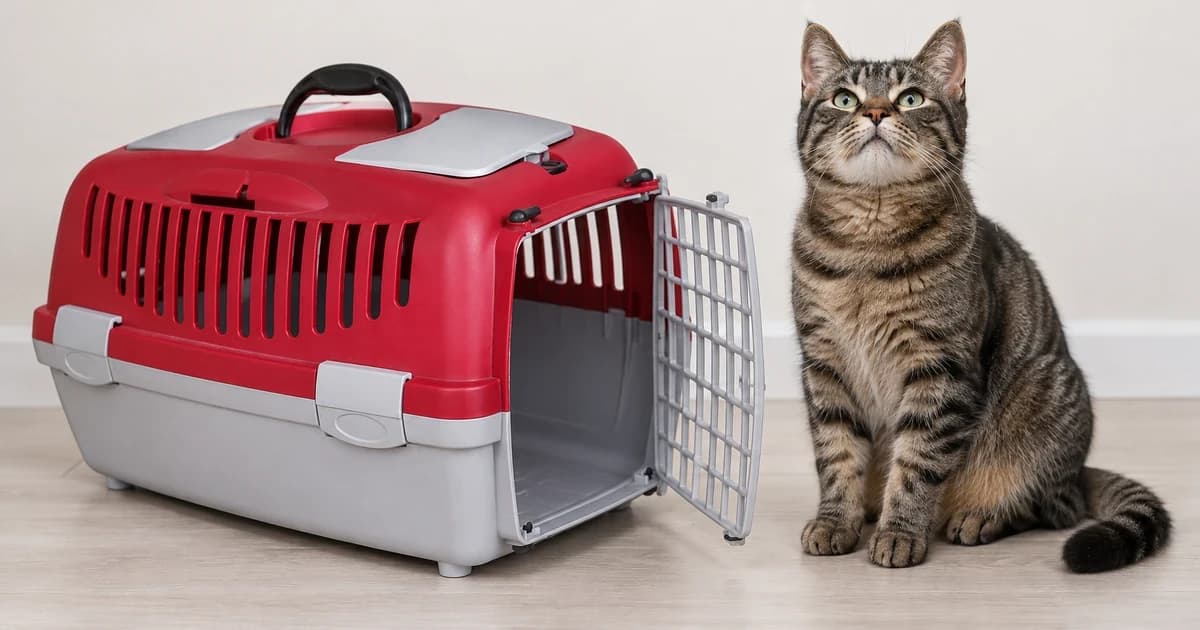
Once there is a collection arrangement, take a friend or family member and your cat's carrier, as Battersea advises. Have a suitable carrier ready; our separate carrier-size guide covers choosing enough space. The cat-carrier category is a starting point for equipment information, not a guarantee that a particular cat will enter or remain contained.
Close reports when the cat is home
Tell the registry, veterinary practices, rescue services and other people you contacted that the cat has been found. Update online reports and remove missing posters so helpers have the correct status.
If you notice signs of injury, a change in behaviour or have concerns about your cat's health after returning, contact your veterinarian. Keep that assessment separate from deciding that the search is complete; returning home does not establish that the cat is well.