To prepare a pet emergency kit, set aside real supplies, make current documents portable and agree who can collect them if you are away. Add a confirmed place that can receive your pets and a backup contact. A shopping list or an ordinary travel bag does not complete those arrangements.
This preparation guide uses ordinary dog and cat examples. Other animals, special diets and existing medical needs require their own care arrangements. During an emergency, follow local authorities’ instructions; this is not a rescue or first-aid procedure.
Set aside actual supplies, not just a list
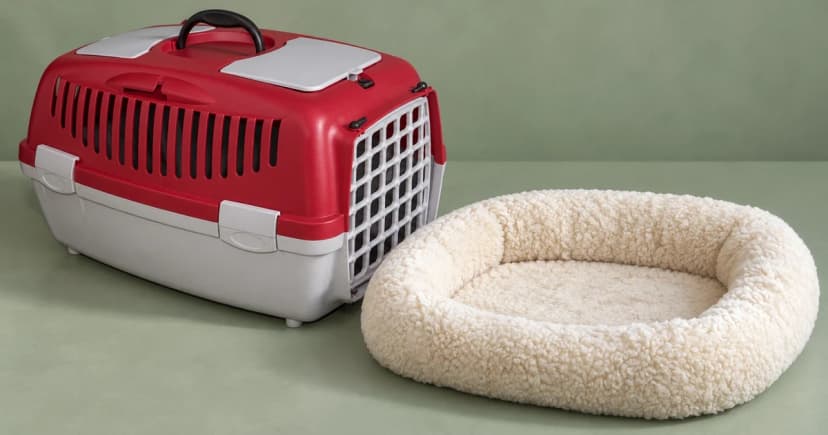
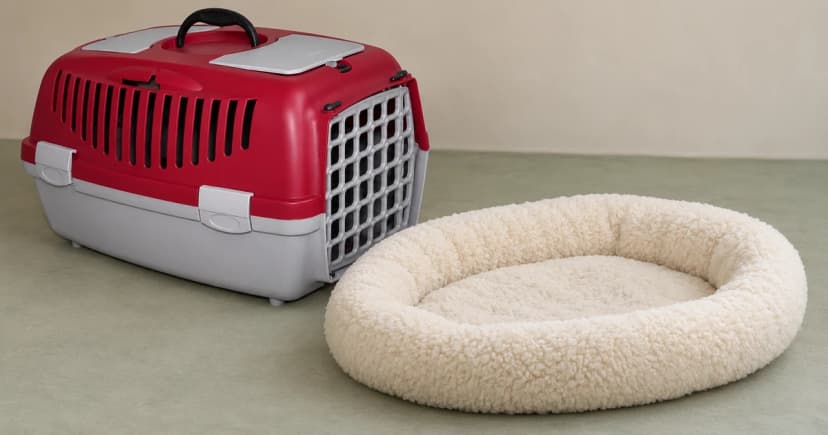
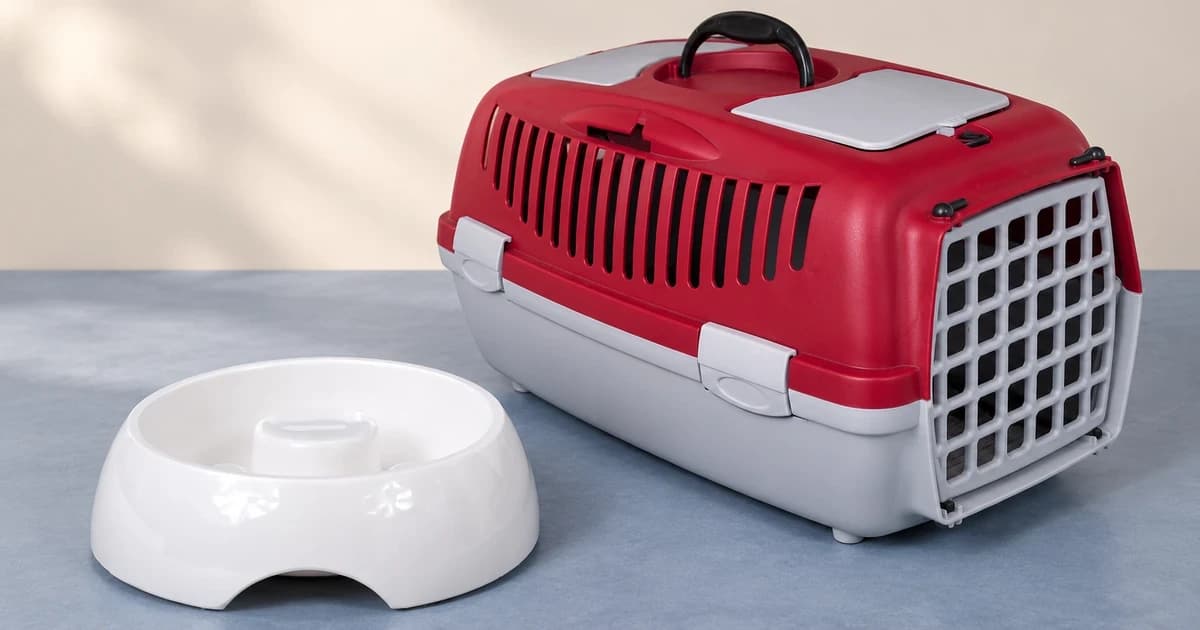
The American Red Cross checklist includes food, drinking water, bowls, a manual can opener when needed, cat litter and a pan, appropriate leashes or carriers, and portable beds or toys. It advises keeping supplies accessible in sturdy containers that can be carried easily.
Use your pets’ existing feeding and care arrangements to identify the items required. Keep the container’s location known to the people who may need it. Equipment too large to go inside still needs an identified location and a person responsible for collecting it.
Work through each pet separately. For example, “food packed” is incomplete if the food requires an opener that is elsewhere; “bowl packed” does not establish a drinking-water supply. Mark an item as set aside only when it is actually present. Keep missing purchases and unresolved requirements on an outstanding list.
Make the records and existing care instructions portable
The FDA’s preparedness advice includes vaccination and other medical records, relevant insurance information, current pet photos and medication already required by the pet. It also recommends preparing instructions and contact details for a temporary caregiver.
Ask your own veterinarian or prescriber about reserves and storage for an existing medicine or special diet. Keep the original instructions with the records. Do not add a new medicine, change a dose or use this kit as a treatment plan.
Put the current copies where the person collecting the kit can retrieve them. Identify which pet each document concerns, the contact to use and the date you checked it. A note saying “records at the vet” still leaves the handover unfinished if the caregiver cannot access the required information.
Arrange a buddy before you need one
The CDC recommends a buddy system for emergencies when you are not home, alongside a plan for accommodation and veterinary contacts. It also recommends household preparation so people know what to take, where pets may be found and where to meet.
Agree the arrangement directly with the person involved. Give them the relevant locations and contact information rather than assuming a nearby friend is available.
Complete a take-and-handoff record
Use the following prompts to turn the packed items into a specific arrangement. They organize preparation; they do not authorize anyone to enter a hazardous area or attempt an animal rescue.
| Part of the handoff | Write down and confirm |
|---|---|
| Supplies | Container location, items actually set aside, and anything stored separately. |
| Responsibility | The agreed person collecting each pet, the kit and separate equipment; a backup if unavailable. |
| Documents | Where current copies and existing care instructions are kept and how the caregiver accesses them. |
| Destination | The place contacted, its actual pet arrangements, the contact number and an alternative. |
| Unfinished work |
Confirm the receiving arrangement, not just the address
Red Cross guidance says pets may need accommodation at a separate location with animal-welfare support. Contact the actual destination about its arrangements. Keep alternatives such as a willing friend, boarding facility or pet-accepting lodging on your list. Neither universal acceptance nor universal refusal describes every emergency shelter.
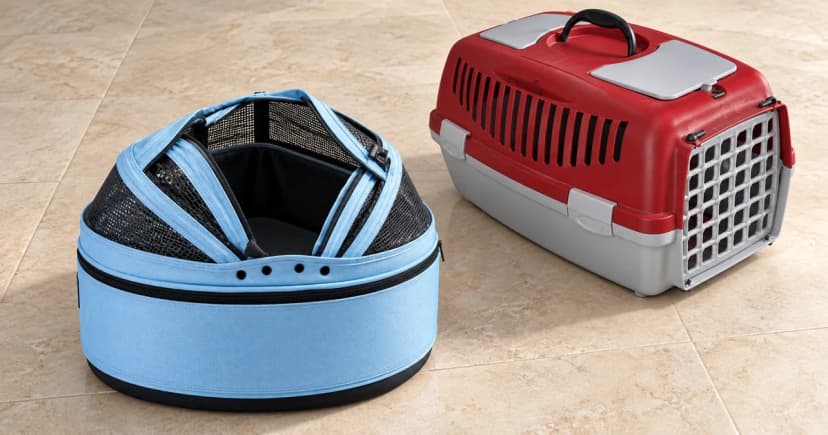
For the transport equipment, retain the exact model’s instructions. Our dog car-travel guide and cat car-travel guide address separate journey planning. This kit guide supplies no belt route, improvised closure or containment guarantee.
Leave the kit with an accurate replenishment status
Record the actual quantities present, relevant label dates and storage instructions, what has been used or removed, and what still needs replacing. Follow the applicable product and existing care instructions rather than applying one replacement interval to all supplies. Keep this status with the inventory so a missing item is visible to the next person.
Revisit the record when the pet’s care, caregiver, equipment or intended destination changes. Resolve the outstanding items; do not rename an incomplete arrangement “ready.” Browse cat carriers or travel bowls and water bottles for a defined equipment gap, checking each item’s documentation rather than assuming a category proves emergency suitability.