When moving house with a cat, prepare a quiet area at both addresses, keep the cat’s familiar essentials accessible and tell everyone who controls each door. At the new home, bring the closed carrier into the prepared room before opening it, then let your cat choose when to emerge. Expanding access to the house is a separate decision, not a moving-day deadline.
The useful plan covers what happens before loading and after the drive. For the journey itself, use the separate cat car-travel guide; this guide does not provide a vehicle restraint arrangement or an outdoor-release schedule.
Decide where your cat will be while people are moving furniture
Cats Protection’s moving guide presents staying with you, a suitable trusted carer and a boarding cattery as different options. Choose around your circumstances and the individual cat rather than assuming one arrangement suits every move.
If your cat stays with you, choose a quiet room in each home before the busiest packing and unloading begins. Let the cat become familiar with the room in the current home. Keep its bed, blanket, carrier, litter tray, food, water, scratching outlet and appropriate toys available instead of packing everything away. Cats that do not get along may need separate rooms and resources.
Write down who prepares each address
A room that is quiet today may become the place where movers stack boxes tomorrow. Identify the room, the person responsible for preparing it and how that person will tell others it is occupied by the cat.
| Check | Current home | New home |
|---|---|---|
| Room and access | Which room remains out of the furniture-moving route? | Which room will be ready before the cat arrives? |
| Familiar essentials | What stays available until departure? | Who brings and sets out those items? |
| People and doors | Who tells movers and household members where the cat is? | Who confirms the room is prepared before the carrier is opened? |
Keep the departure room separate from the moving route
Blue Cross’s moving advice describes a room with closed doors and windows on moving day, with a door notice so others know not to open it. The same communication matters at the new address: a person carrying furniture should not have to guess which room contains the cat.
Check the destination room before transferring the cat out of the carrier. Blue Cross includes familiar resting items, a scratching post, toys, a litter tray, food and water in that arrival arrangement. If the room is still being used for unloading, finish preparing it first rather than opening the carrier in a busy passage.
Prepare the transfer without starting carrier training on moving day
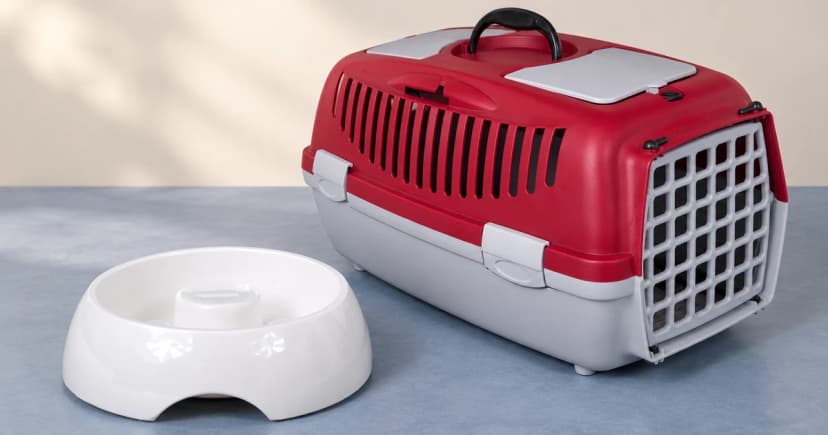
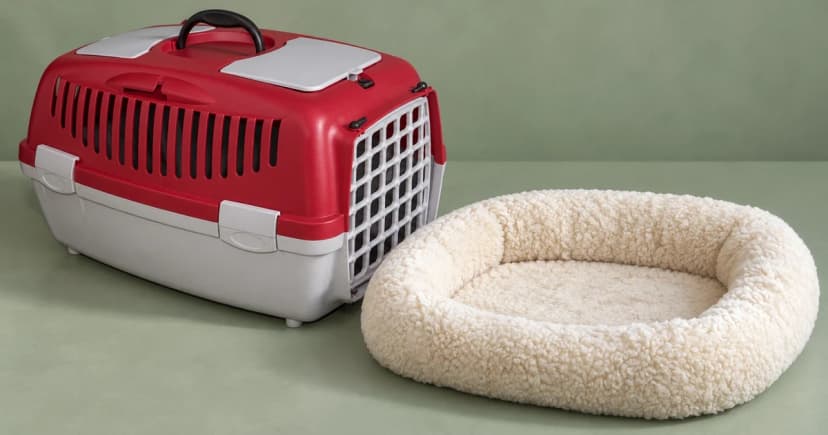
Know where the carrier, its applicable instructions and the cat’s travel belongings will be when needed. Our voluntary carrier-entry guide covers preparation that belongs before a necessary trip. A rushed move is not a reason to push the cat into unfamiliar equipment or improvise its closures.
Use the car-travel guide for transport planning and the exact carrier’s documentation for its intended handling. This moving plan does not authorize a particular belt path, door removal or new hardware arrangement.
Open the carrier in the prepared room, then leave the choice to your cat
Battersea’s arrival sequence starts with bringing the cat into its settling room in the carrier and closing the room door. Open the carrier and let the cat come out in its own time. Do not pull it out to demonstrate that it has arrived.
Provide familiar resting and hiding choices. Place the litter tray in a quiet position away from the doorway and walkways, with food and water away from the toilet area. As the cat becomes comfortable, introduce other indoor rooms gradually and keep the original room available as a retreat. Leave a hiding cat undisturbed rather than making exploration compulsory.
Battersea advises speaking to your vet if you are unsure the cat is settling. Changed appetite or other concerning changes deserve attention, not an assumption that another bed will solve them.
Review access and observations without imposing a calendar
Before opening access to another indoor room, revisit the external doors, windows and cat flaps and make sure household members understand the arrangement. Keep the retreat and essential resources accessible. A cat investigating one room does not establish readiness for outdoor access.
Record the room and resources prepared, who knows the door arrangements, what the cat actually chose to do and any concern to discuss with your vet. “Left the carrier, used a hiding place and later explored the doorway” describes an observation; “fully settled” may claim more than you know. Repeat or adjust the arrangement around those observations instead of requiring every cat to progress on the same day.
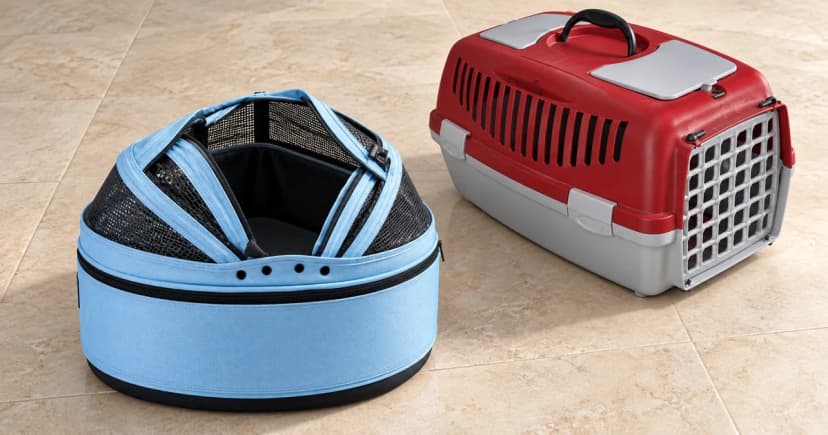
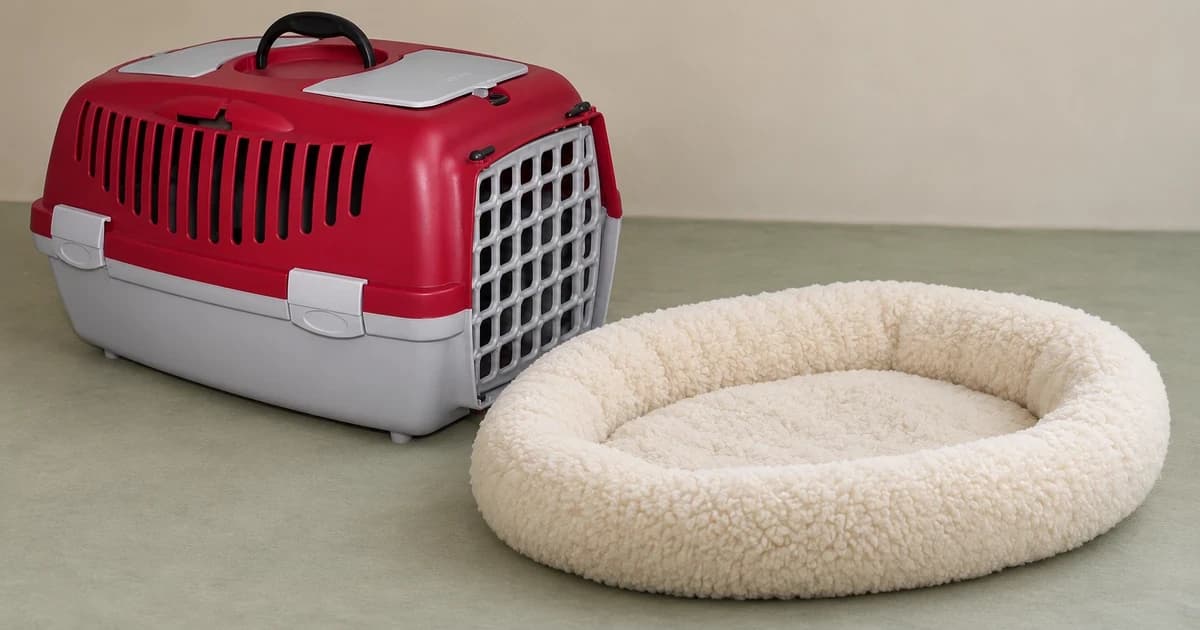
When choosing cat carriers or resting equipment, check the actual item’s instructions and your cat’s existing resources. A move does not require replacing familiar equipment simply because the address changes.