When asking how hot is too hot for dog paws, a single air-temperature number on a weather app cannot certify that the ground is safe—because direct sun heats asphalt, concrete, sand, metal, and artificial turf far above the surrounding air temperature (American Animal Hospital Association, June 2026). If your planned route crosses sun-heated pavement, change the exposure first: shift the walk to cooler early-morning or late-evening hours, switch to shaded natural grass, or replace the walk with indoor enrichment during a heatwave (PDSA, May 2026; AKC, March 2026).
Up-front action table: surface exposure, route adjustments, and when to stop
Use this three-column decision table before stepping out the door so you can adjust the time, surface, or outing immediately:
| Surface or weather situation | Actionable adjustment to make | Stop condition or veterinary trigger |
|---|---|---|
| Direct sun on asphalt, concrete, sand, metal grates, or artificial turf (AAHA June 2026 guidance) | Avoid those heat-retaining surfaces during peak sun; reroute onto shaded natural grass or earth paths, or move activity indoors during the hottest part of the day. | Stop immediately and move to cool shade/grass if your dog shows limping, reluctance to walk, persistent paw licking, pad discoloration, blisters, or vocal distress—then contact a veterinarian. |
| Warm weather or active heatwave—especially for flat-faced, senior, overweight, or medically vulnerable dogs (PDSA May 2026 advice) | Walk much earlier in the morning or later in the evening after surfaces have cooled, or skip the outdoor walk altogether and use calm indoor games. | As PDSA veterinary nurse Shauna Walsh notes, skipping a walk during a heatwave is often the safest choice; boots or shaded sidewalks do not prevent whole-body overheating (heatstroke). |
| Necessary short crossing over warm pavement when considering footwear (AKC March 2026 article) | Prioritize cooler walk times and grassy/shaded areas first; if using dog boots or shoes, check the exact model's sole construction, fit, and prior acclimation before the outing. | Never treat dog shoes as permission to walk in extreme midday heat; seek emergency veterinary care immediately if a dog shows heavy panting, collapse, or loss of consciousness. |
Why air temperature does not equal ground temperature
The AAHA's June 2026 paw-protection resource emphasizes that ambient air readings miss radiant heat absorbed by dark or synthetic ground materials. Asphalt pavement, beach sand, boat docks, truck beds, metal utility covers, and artificial turf lawns can all reach burn-causing temperatures even on days that feel moderately warm in the breeze. Switching from blacktop to artificial turf or dry sand does not move your dog onto a cool surface.
Protect the whole dog, not just the paw pads
In PDSA's May 2026 heat safety guidance, veterinary nurse Shauna Walsh stresses that older dogs, overweight dogs, dogs with ongoing heart or airway conditions, and flat-faced (brachycephalic) breeds struggle to shed body heat long before pavement burns occur. Moving a walk to early morning or late evening helps only if both the air humidity/temperature and the pavement have actually cooled down; during a severe heatwave, cancelling the walk is safer than pushing through.
Do dogs need shoes on hot pavement?
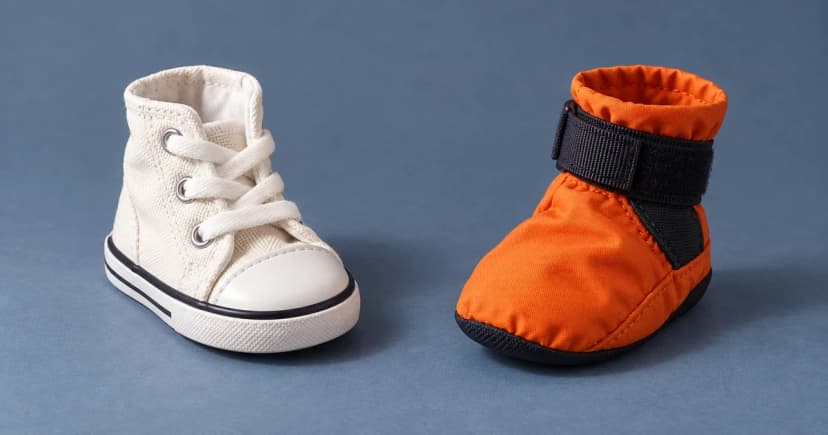
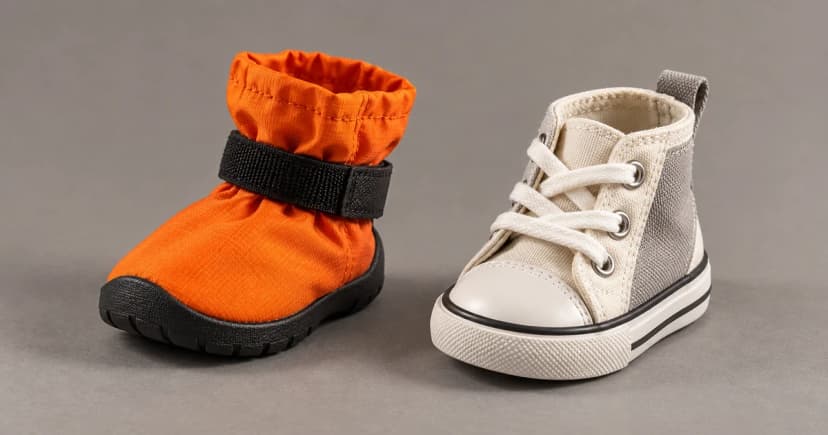
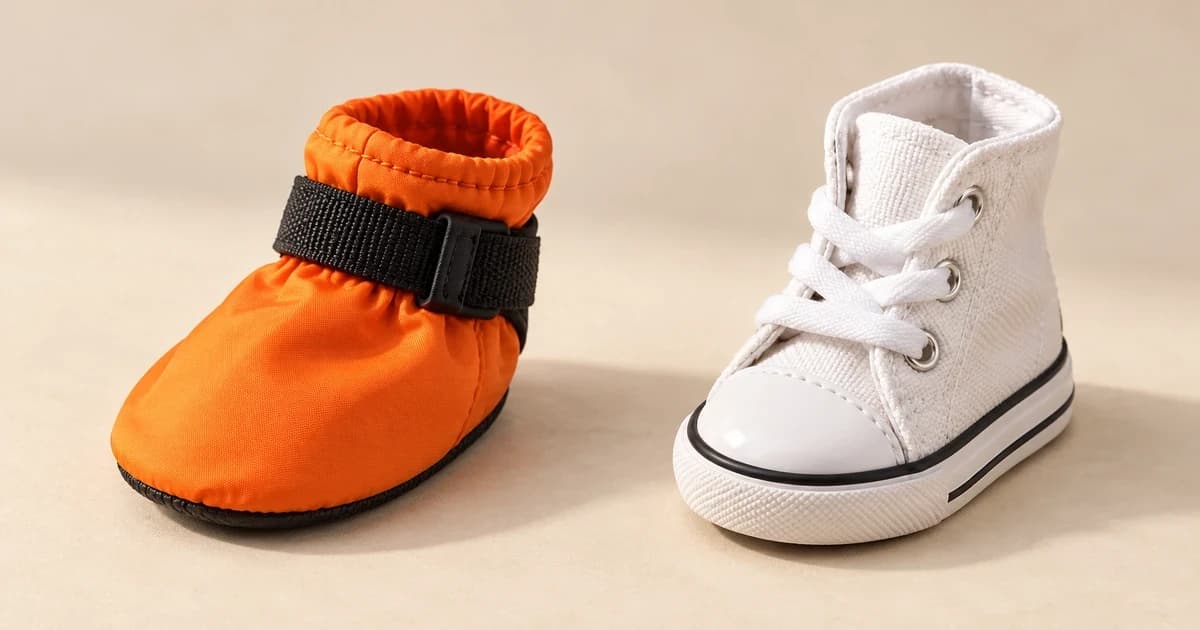
When owners ask do dogs need shoes on hot pavement, it helps to separate emergency surface barriers from routine walk planning. In AKC's March 2026 article on hot pavement (written by Elaine Waldorf Gewirtz, quoting veterinarian Dr. Jerry Klein on thermal paw injuries; note the page's AKC Pet Insurance sponsorship and affiliate disclosure), dog boots and shoes are discussed as one physical barrier option alongside walking at cooler hours, sticking to grass and shade, and acclimating the dog to footwear in advance.
However, putting boots on a dog never makes a dangerously hot outing safe for the rest of the dog's body, and unbranded mesh booties do not carry a standardized thermal-insulation rating. If you want to evaluate footwear for brief unavoidable pavement crossings, review our dog-boot use guide to compare sole materials and activity limits, and follow our boot familiarization guide so your dog accepts wearing them indoors before you ever step outside. You can also browse dog boots and shoes to check individual product specifications.
What to do if you suspect a paw pad burn
If your dog starts limping, holding up a foot, refusing to move forward, or licking at darkened, red, or blistered pads (AAHA), carry or move the dog off the hot ground into a cool, shaded area immediately and contact your veterinarian for treatment advice rather than applying home ointments or wrapping the foot tightly.