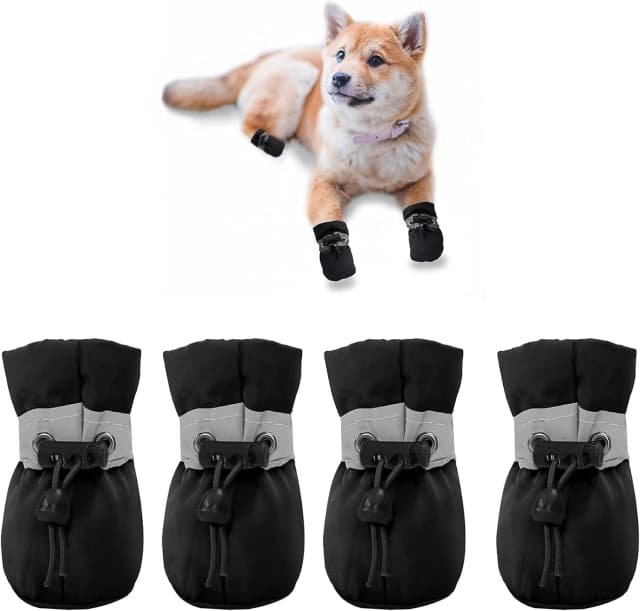
Choosing dog boots & shoes
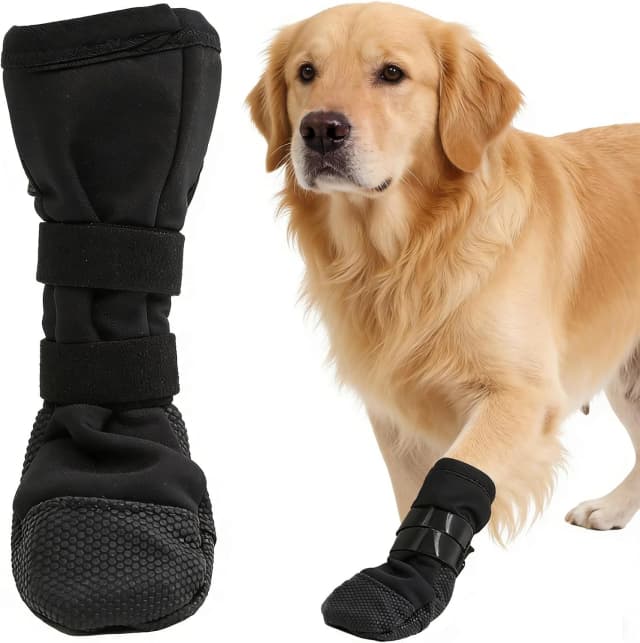
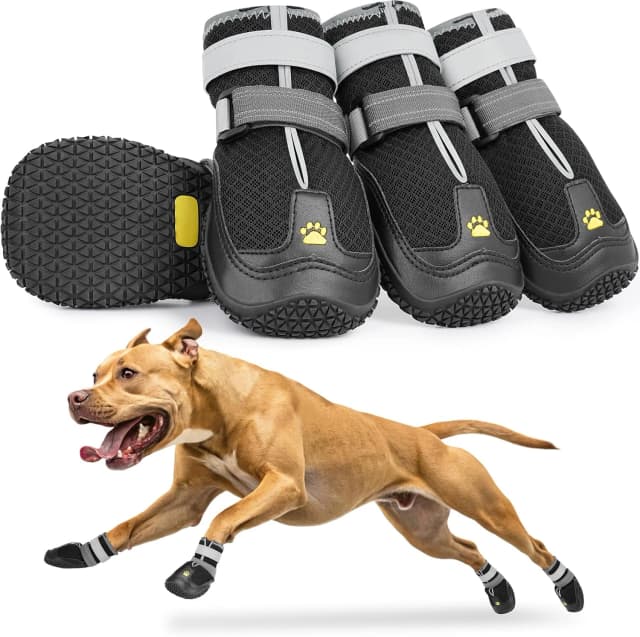
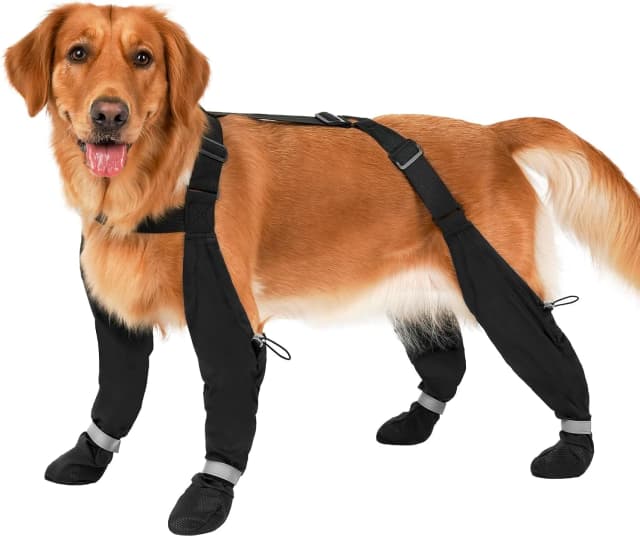
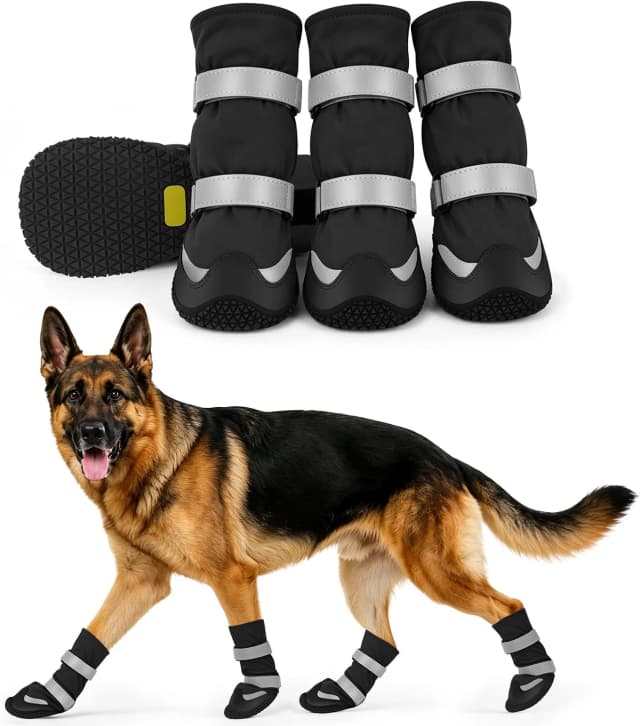
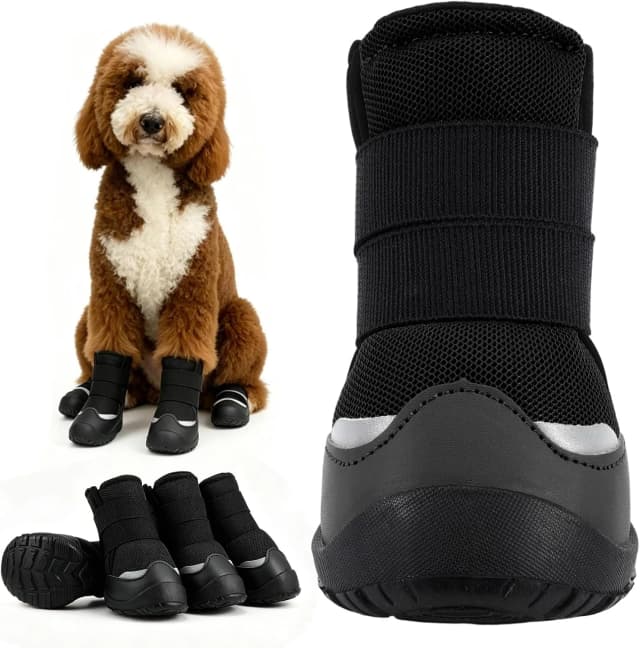
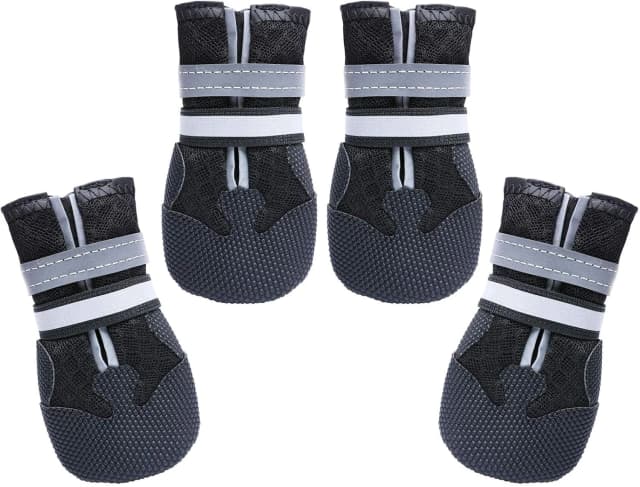
Measure the intended paw or leg contact area using the maker's sizing method. Compare the length, width and fastening positions, then check fit during normal standing and movement. Dog boots with suspenders need both paw measurements and the correct route for the connecting straps.
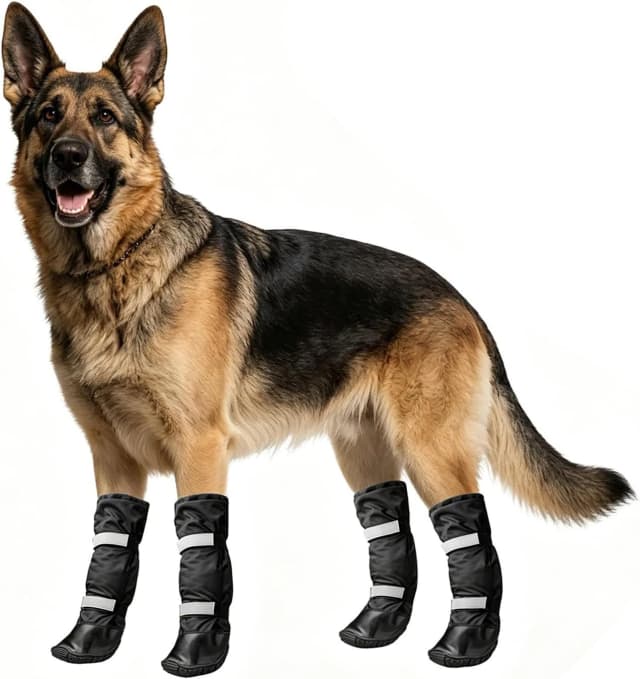
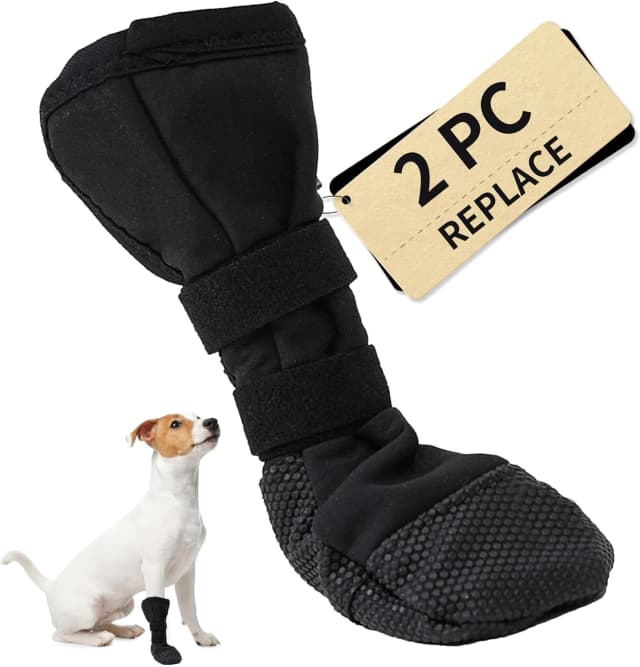
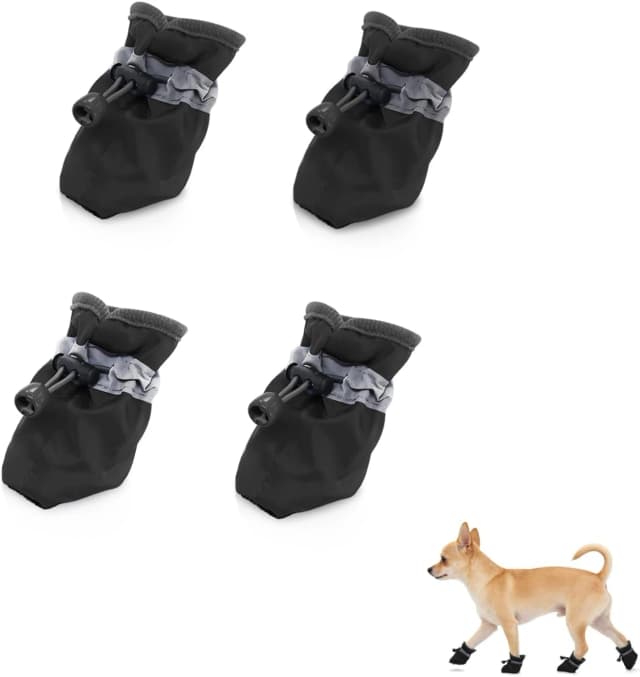
Useful details to compare include contact-area measurements, size-chart method, fastening design, material specification, and wear and care instructions. Use product-specific measurements and compatibility details to narrow the choice for your setup. Dog boots for small dogs should allow the toes and fastening to sit as the maker directs, while big dog boots still need separate front and rear paw checks.
Match the design to your setup
When comparing dog shoes, check the listed dimensions, intended use and care instructions for each individual design. With dog boots for mud or dog boots for the winter, check tread, closure and drying instructions for the intended conditions.
For dog boots for senior dogs, check the stated size and use guidance for the intended animal, and compare the product's working dimensions. For dog boots for injured paws, ask the treating professional about the specific wound and dressing rather than assuming an ordinary outdoor boot is a recovery device.
For extra large dog boots, compare usable dimensions with the space and task the product is intended for.
When comparing fleece lined dog boots with rubber dog boots, read each model's material specification and check how the contact surfaces are cleaned or replaced.
For red dog boots, compare the usable dimensions and construction alongside the decorative style.
Read the intended activity, wear and washing instructions for the exact construction, including the method for checking fit during use. After wet use, dog boots for snow need the lining and fasteners checked and dried according to the maker's instructions.
For related equipment, explore dog clothing & accessories and compare how the pieces fit your routine.