Caring for a cat means keeping useful resources available, carrying out the ordinary tasks behind them and arranging veterinary help when needed. A bed, bowl or toy is a starting item, not a completed care plan.
Make the plan specific to the cat and the people responsible. Record what is already in place, what needs attention and who will take over if the usual caregiver is away. The following overview uses three UK welfare organisations' guidance for general preparation; their local legal rules and medical calendars are not universal instructions.
Prepare places the cat can actually use
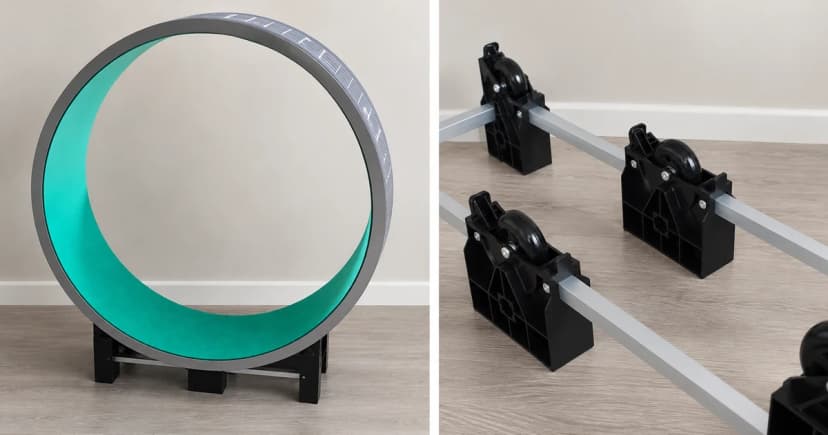
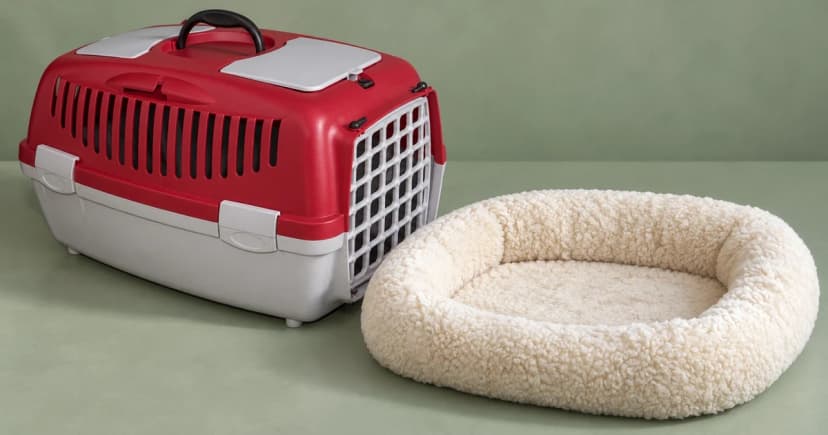
Cats Protection's preparation guide starts with a quiet, comfortable, secluded space for a new cat. Its essentials include food and water bowls, a bed, litter tray, scratching post, brush, toys and a suitable carrier. It recommends separating food, water and toileting areas, rather than grouping everything into one station.
The guide also recommends registering with a veterinary practice and considering vaccination, parasite control, neutering and identification. Ask what care the cat has already received and which records are available, then discuss the individual plan with your local veterinary team. Do not copy a kitten's procedure dates or an adoption organisation's care package into every cat's calendar.
Walk through the arrangements before calling them ready. Can the cat reach the intended resources during ordinary household routines? Who keeps the area available? Record a closed-door problem or missing item as unfinished work, rather than assuming ownership of equipment settles access.
For the detailed number-and-location question, use the guide to separate litter-box locations. This overview does not replace that layout decision.
Turn supplies into named care responsibilities
PDSA's cat-friendly home guidance considers health, behaviour, company, diet and environment together. It recommends a complete commercial diet appropriate to the cat's age and weight, familiar routines, separate resource areas and quiet places to withdraw. Ask your veterinary team about an appropriate feeding plan; this overview supplies no portions, food recipe or supplement instructions.
PDSA also advises watching for signs of becoming unwell, planning for veterinary costs and seeking veterinary help for stress concerns. Give attention on the cat's terms and leave quiet withdrawal available. A change does not establish its cause or mean another toy will solve it.
Write down who handles the normal feeding arrangement, water provision, toileting care, equipment upkeep and opportunities for interaction. Add a backup person's name. “Someone usually does it” leaves a gap that a cupboard full of supplies cannot fill.
Keep the task descriptions precise. A litter box's waste removal and full wash are different jobs; the litter-box cleaning guide explains that distinction and the need for model-specific care. Follow the actual equipment instructions instead of giving every item the same cleaning method.
Notice the ordinary day without testing the cat
Use normal care visits to describe what you actually notice: which resource was available, whether an ordinary task was completed and what seemed different from the familiar routine. Do not wake, restrain or provoke the cat to fill in a record.
For example, “the usual resting area was inaccessible while the room was closed” describes an access issue. It does not diagnose stress. If you notice a new or concerning change, contact your veterinary team and describe the context rather than assigning a cause at home.
Keep detailed lessons separate. Our indoor entertainment guide helps plan voluntary activity choices; the cat sleep guide distinguishes rest patterns from changes that deserve advice. Neither requires a fixed daily play or sleep quota.
Keep records and the next question together
Use one accessible care note with these fields:
- Resources: where the cat can access the ordinary arrangements and any unresolved problem.
- Responsibilities: the usual person, backup and exact task to complete.
- Records: where existing veterinary and identification information is kept.
- Next contact: the veterinary practice, its contact instructions and the individual question awaiting advice.
Distinguish a planned appointment or task from one actually completed. This is an organisational record, not a medical assessment or proof that every need has been met.
Arrange the handover before going away
RSPCA's home-environment guidance includes comfortable quiet resting, toileting access, hiding and opportunities to play and climb. It also recommends trying to arrange care in the cat's own home when away. If boarding, familiar belongings can help preserve familiarity.
Turn that responsibility into an agreed handover: tell the caregiver where resources and instructions are, what ordinary tasks they are taking over and how to contact you or the veterinary practice. A purchased device or a planned visit does not demonstrate that care has occurred.
Review the note when the cat's needs or household arrangements change. Browse cat supplies only for a defined resource gap, checking the actual item's instructions.