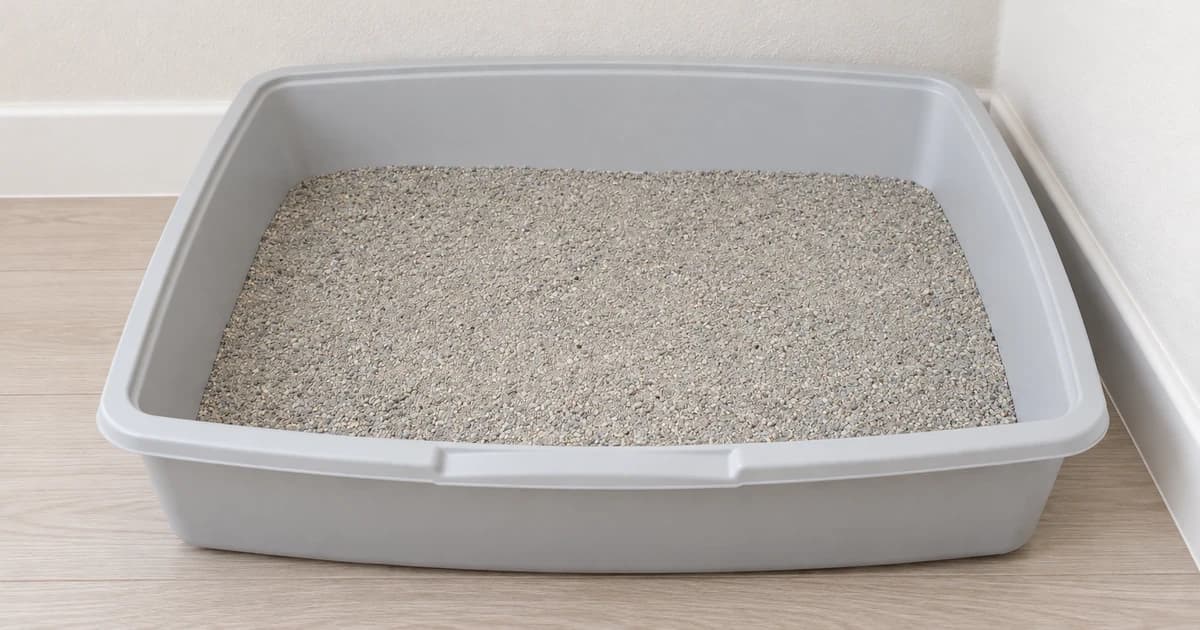
To litter train a kitten, start by showing them an accessible tray with litter they already recognize. Keep the location predictable, let them investigate and use it without being held there, and respond calmly if an accident happens. Many kittens need help finding the tray in a new home rather than a lesson in digging.
Difficulty using the tray can also have a health or environmental explanation. Straining, discomfort or a change in normal toileting needs veterinary advice; do not treat every problem as something to solve with more practice.
Begin with what the kitten already knows
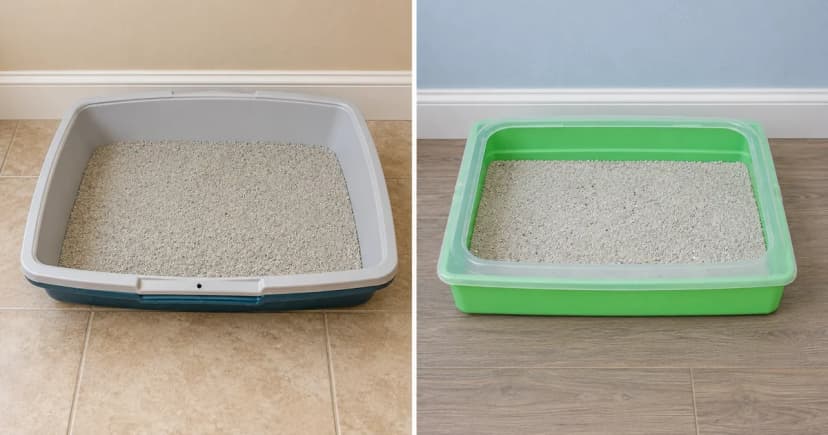
Ask their previous carer which litter and tray they have been using. Cats Protection's kitten guide recommends keeping familiar litter initially and making any necessary change gradually. Moving home already introduces unfamiliar rooms, people and sounds; changing the toilet arrangement at the same time adds another thing for the kitten to navigate.
Set up their initial quiet area before arrival, with a tray they can find and reach. Keep food and water elsewhere in that area rather than next to the toilet. Once the kitten begins exploring, gently show them where the tray is. Let them leave and return instead of turning the introduction into a stay-in-the-box exercise.
Make access easy to repeat
Battersea's litter-tray guidance emphasizes a quiet, consistently accessible location and an entrance a kitten can manage. A tray near a noisy appliance or behind a door that sometimes closes presents a different problem from unfamiliar litter.
Watch the route as well as the doorway. Can the kitten get there from the area where they are settling? Does a person or another animal interrupt the approach? Those questions help you identify an obstacle without assuming that the kitten has forgotten how to toilet.
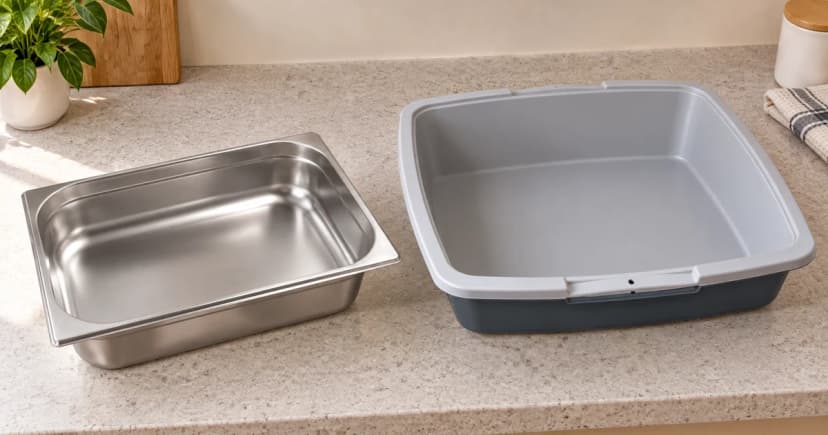
Check the actual entrance when comparing open litter boxes. A material name or a tall outer wall does not tell you how easily your kitten can enter. For detailed measurements, use our separate litter-box size guide. If several cats share the home, the separate litter-box location and count guide covers that planning task.
Show the tray, then give the kitten space
Keep early introductions gentle. You can bring the kitten near the tray to show its location, but avoid holding them inside or moving their paws to make them dig. Battersea advises allowing natural use rather than forcing either action.
Pay attention when the kitten appears to be looking for somewhere to toilet. Make sure the tray is available, then allow them to use it without interruption. Children and other household members should leave the kitten alone during toileting.
PDSA's litter-training advice recommends praise after successful tray use. Wait until they have finished. Encouragement should support the experience rather than disturb it midway through.
Describe what happened before changing the setup
If the tray is not used, record the situation in plain terms. “The door was closed when the kitten approached” points to an access problem. “We changed the litter yesterday” identifies a change worth discussing. Neither observation establishes a medical or behavioural diagnosis.
A short note can keep household responses consistent:
- Where the kitten was settling and whether the route to the tray was open.
- Whether the tray, litter or location had changed.
- What you observed during toileting, including any discomfort or unusual pattern to tell your vet.
When a health concern has been addressed, review access and familiar equipment before making several changes at once. PDSA notes that cats can differ in their response to litter and tray designs. A change that helps one kitten does not establish a universal preference for every cat.
Handle accidents calmly and recognize when to seek help
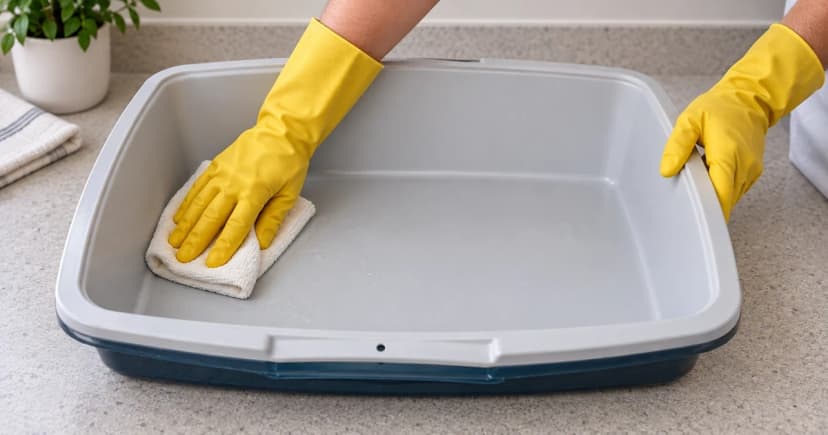
Never punish a kitten for an accident. PDSA warns that punishment can cause stress and make the situation worse. Clean the affected area promptly and keep the tray maintained, following the appropriate care instructions. Our litter-box cleaning guide separates daily waste removal from washing the equipment.
Contact your veterinarian about tray avoidance or a change in toileting. If the kitten is straining, seems uncomfortable or is not toileting normally, seek advice immediately. Do not postpone that call while trying successive litters or waiting for training to work.
Keep familiar litter and a dependable route while the arrangement is working. Revisit access as the kitten grows and explores more of the home, without requiring them to meet a fixed training deadline.