Make a homemade dog toy by following one complete project, with its own materials and sequence, rather than combining parts of several tutorials. The project below is a knotted ring ragger made from an old jumper. It does not involve sewing, stuffing or adding a ball.
Finishing the craft is separate from deciding whether the resulting item is suitable for your dog. A neat knot does not establish material strength, safe chewing or a successful play session.
Follow one named ring-ragger project
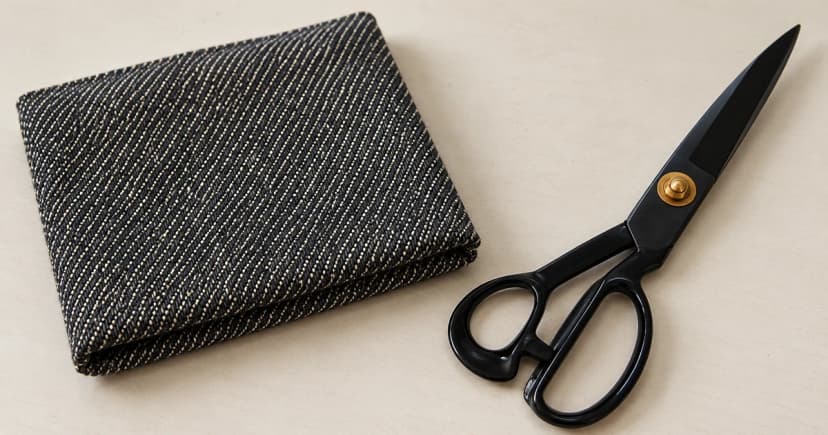
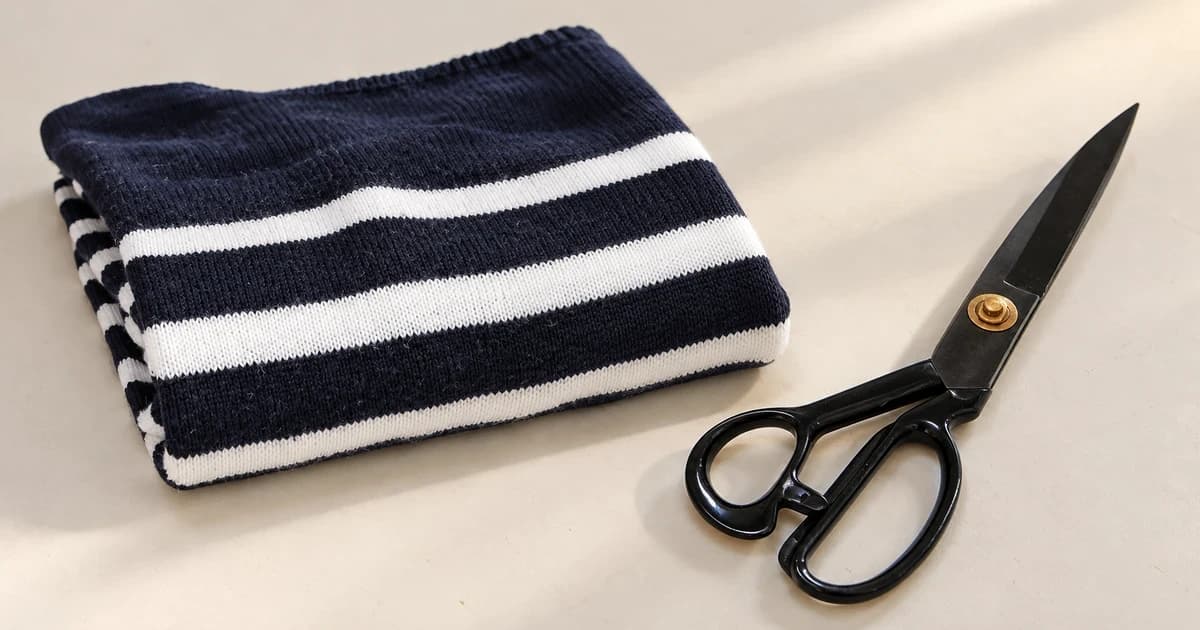
Battersea's DIY dog toys guide, updated June 2026, includes a ring-ragger project using an old jumper and scissors. Its written sequence is:
- Cut off the jumper cuff to form the base.
- Cut a long strip from the remaining jumper, long enough to work around that base.
- Tie the strip's midpoint to the cuff, leaving equal lengths on either side.
- Bring the left strip across the front of the cuff into an L shape. Pass the opposite strip over it, around the cuff's back and through the left-hand loop; tighten.
- Repeat from the opposite side, forming a reversed L.
- Continue alternating around the cuff. Move knots together where necessary to cover the base, then tie off and trim excess material.
Battersea notes that the knot can be tricky and points to its video. Return to that exact project if the written pattern is unclear; do not substitute another knot. It also requires monitoring to prevent torn material being ingested.
Keep material questions separate from the pattern
Set aside the garment and identify the intended cuff and strip before cutting. If you cannot match the parts or understand the sequence, leave the project unfinished while you check the original instructions. There is no need to invent measurements to fill a gap.
Keep a short making note: the exact project followed, the garment or material used, where you stopped and what remains uncertain. Recording a completed knot sequence is not the same as recording that the toy was suitable for a particular dog.
Decide whether to offer the result
Dogs Trust's enrichment guidance advises considering the individual dog's health, abilities and preferences, and observing their interaction. For soft toys, it emphasizes supervision so small parts are not swallowed and appropriate exchanges when removing a part.
These are selection and supervision principles. They do not validate this garment, knot pattern or homemade item's strength. A dog choosing to grab it does not settle those questions.
If play involves dismantling the fabric, do not treat continued enthusiasm as a reason to keep offering it. For the separate shared-game task, see the tug play guide. The rope-toy condition guide covers the distinct problem of material coming apart or possibly being swallowed; making another knot is not proof that damaged material has become suitable.
Keep an alternative available
The RSPCA's dog-environment guidance calls for suitable objects for play and chewing, with enough resources for individual dogs. That general requirement is not an endorsement of every homemade object. Another appropriate activity may be a better next choice than repeatedly altering an uncertain craft item.
Use dog toy categories for a separate equipment decision, checking the actual item's instructions. This project summary provides no clinical, durability or performance guarantee, and does not replace an individual suitability decision.