To sew a dog toy, start with one complete project and its matching pattern. This guide follows a denim bone, keeping the sewing decisions separate from the decision to offer it to a particular dog. A neatly closed opening is not proof of chew resistance or suitability.
Decide what you are making before cutting
Keep the original instructions open beside your work. Record the chosen pattern, fabric and machine setup before starting; do not silently substitute details from another tutorial when something is unclear. A different seam, filling or fabric can turn your work into a different project.
If you prefer a project without stitching, see our jumper ring-ragger guide. That cuff-and-knot method is separate from the sewn construction below.
Follow the denim-bone project as one method
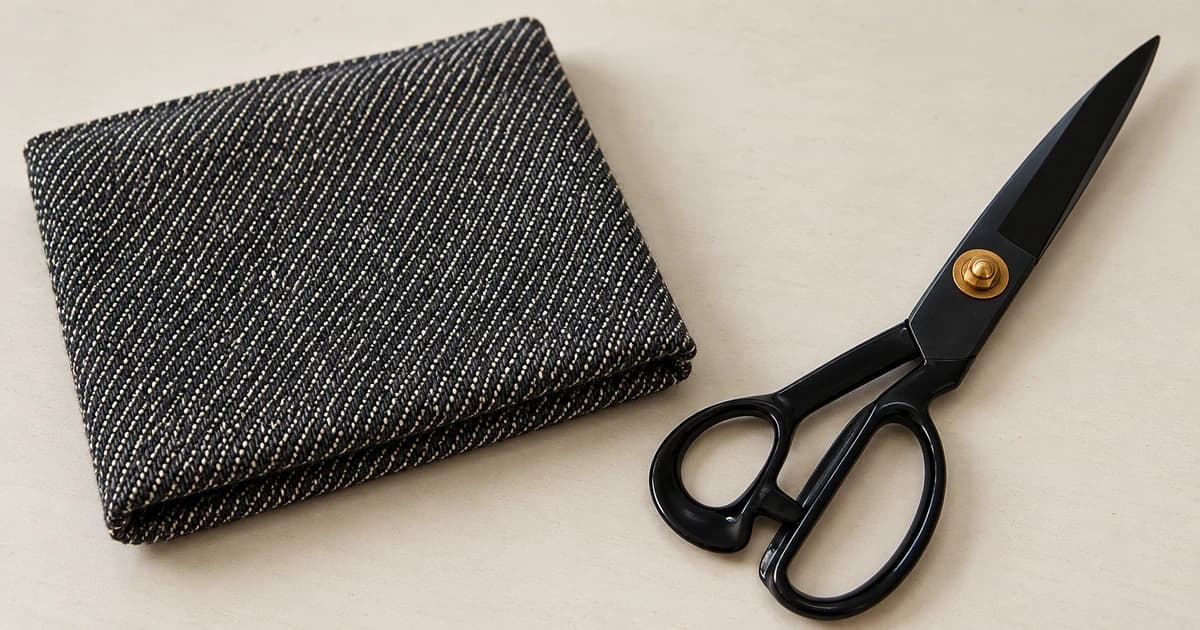
Echidna's project specifies old jeans or strong denim/upholstery fabric, Rasant thread and matching bobbin, toy stuffing, scissors, a hand needle, a sewing aid, a 100/16 denim needle, a triple-stitch machine and regular J foot. Embroidery is optional.
Use its original A4 pattern: small/medium share one page; large uses A/B. The printed 1 cm seam allowance is already included. The size labels do not supply a dog-fit chart.
- Unpick the jeans' inner leg seam. Skip optional embroidery if you are not using it.
- Choose one pattern size and cut two corresponding fabric pieces.
- Pin right sides together, reserving a 3-inch opening along a straight edge.
- Follow the maker's triple-stitch and foot-edge directions, leaving that opening.
- Clip around curves every half inch. Turn through the opening, stuff while pushing out the curves, then slip-stitch the opening closed.
Keep a short project note
The useful record is the one that lets you explain what you actually used, including an unfinished question. You can write:
- Pattern option and the original file used.
- Fabric source and anything uncertain about its condition.
- Machine, foot and stitch checked against the instructions.
- Whether the item remains a craft project or has separately been considered for supervised play.
Keep a question visible rather than marking it resolved because the shape looks right.
Make a separate decision about play
Dogs Trust advises considering the individual dog's health, abilities and preferences when choosing enrichment. It also calls for supervision with soft toys so small parts are not swallowed. A dog starting to tear material changes the situation: pause the activity rather than treating the completed sewing as permission to continue. Where a piece needs removing, its guidance uses a swap rather than a contest over the object.
The RSPCA's environment guidance calls for suitable play objects and enough resources for individual dogs. It does not assess this sewing pattern or your finished item. Resolve those individual questions separately; being handmade does not answer them.
You can browse dog toys and enrichment equipment for other options without treating any category as a blanket safety approval. Once you have chosen an appropriate toy, our guide to gentle tug play and pauses addresses the interaction itself.