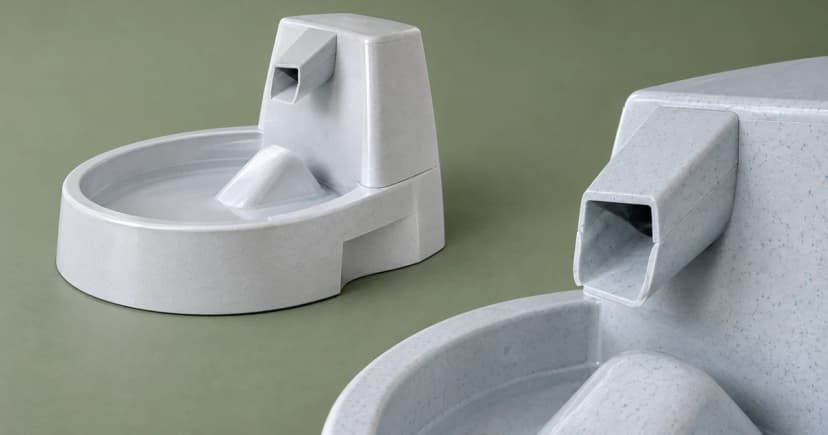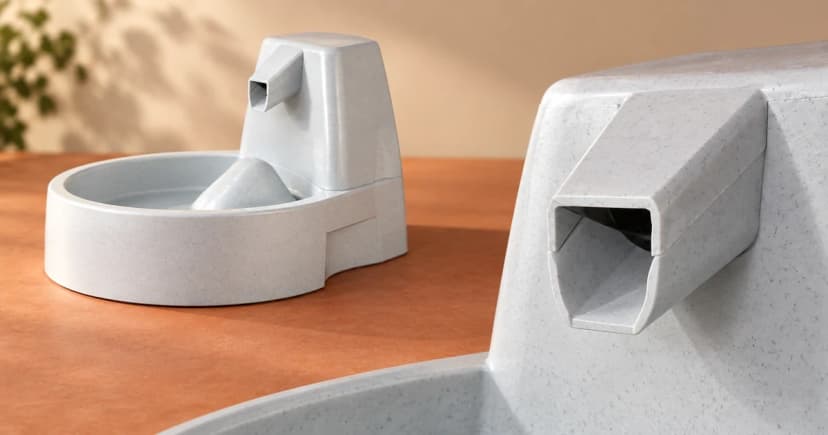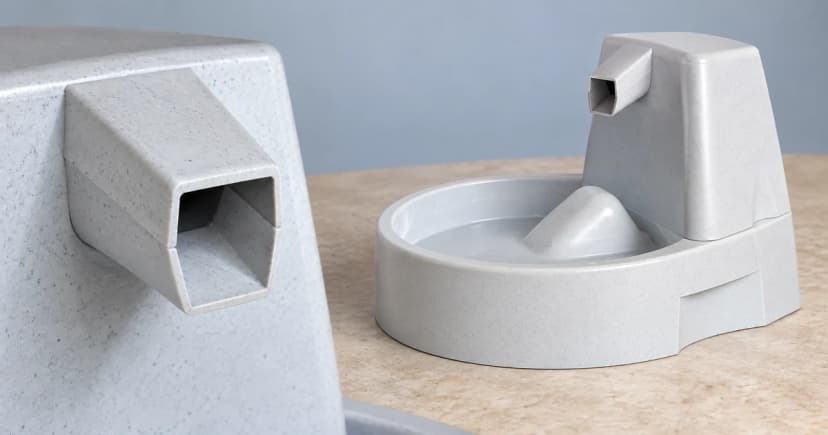
How to set up a cat water fountain starts with verifying all packaged components, pre-soaking and rinsing multi-stage filtration media, securing the submersible pump on silicone suction feet, filling the reservoir to optimal water boundaries, and executing a safe power-up sequence. Proper feline hydration is vital for kidney health and urinary tract function, and flowing water naturally stimulates feline thirst reflexes. However, improper assembly, unseated pumps, or dry-running impellers can cause noisy vibration, motor burnout, or water contamination. By systematically following manufacturer assembly specifications and hygiene protocols, you establish an ultra-quiet, dependable hydration oasis that supports your cat's lifelong health.
Match components and inspect manufacturer specifications before assembly
Unpack your cat water fountain and lay out all components on a clean, dry countertop. A standard fountain kit consists of a primary water reservoir basin, an upper drinking bowl or waterfall tier, a low-voltage submersible water pump with attached USB power cord, a detachable fountain nozzle or flower spout, and multi-stage filtration cartridges. Before touching internal components, wash your hands thoroughly with fragrance-free soap to avoid transferring oils, lotions, or chemical residues into your cat's drinking water.
Carefully inspect the material composition of the fountain body. High-grade food-contact materials include 304 stainless steel, glazed heavy ceramic, and BPA-free food-grade polypropylene. Stainless steel and ceramic fountains provide non-porous, antibacterial surfaces that resist feline chin acne and inhibit bacterial biofilm formation. Plastic models require gentle handling to prevent microscopic surface scratching during cleaning and assembly.
Examine the electrical pump specifications. Modern companion fountains operate on ultra-low voltage direct current (typically 5V DC at 1A to 2A), powered by a USB adapter. Ensure the transformer block carries recognized safety certifications such as UL, CE, or ETL. Inspect the entire length of the insulated power cable for cuts, crimps, or manufacturing defects before introducing electrical current near water.
Review the comprehensive user manual for model-specific tolerances and cleaning permissions. Understanding how your fountain integrates with encouraging cats to drink from fountains, scheduling routine fountain pump and bowl cleaning, and maintaining proper volume via adding water and maintaining minimum levels ensures seamless daily operation.
| Component Assembly | Primary Material Base | Pre-Assembly Preparation Protocol | Critical Operational Function |
|---|---|---|---|
| Water Basin Reservoir | 304 Stainless Steel or Ceramic | Wash with warm water and mild unscented dish soap | Stores primary 2L to 3.2L water volume safely |
| Submersible Water Pump | Sealed ABS resin casing, 5V DC | Disassemble impeller cap, flush internal magnetic cavity | Circulates water smoothly through fountain tiers |
| Multi-Stage Filter Cartridge | Activated carbon, ion-exchange resin, PP cotton | Soak submerged in clean water for 5–10 min; rinse well | Absorbs heavy metals, odors, and environmental dust |
| Pre-Filter Pump Foam | High-density open-cell polyurethane sponge | Rinse thoroughly under running water to clear loose foam dust | Traps cat hair and particulate debris before pump intake |
Feline sensory biology drives strong preferences for pristine, aerated running water. In wild ancestral environments, stagnant surface pools frequently harbor dangerous bacterial pathogens and parasites, whereas moving streams indicate fresh, oxygenated water. A clean fountain taps into these ancient instinctual hydration drivers.
Prepare and rinse multi-stage filtration cartridges thoroughly
Never install a brand-new carbon filter cartridge dry directly from the box. Multi-stage fountain filters contain granulated activated coconut shell carbon and ion-exchange resin beads tightly sealed inside non-woven fabric pouches. During shipping and vibration, granular carbon particles rub together, creating fine black carbon dust that will turn fountain water dark gray if not flushed prior to first use.
Submerge the new filter cartridge in a clean bowl filled with fresh tap or filtered water for at least five to ten minutes. Soaking fully saturates the micro-porous activated carbon granules, releasing trapped air pockets and priming the ion-exchange resin beads for chemical adsorption. Gently press the filter submerged in the water to expel lingering air bubbles.
After soaking, hold the filter cartridge under a stream of cold running water for sixty seconds. Rinse both sides thoroughly until the runoff water flows completely crystal clear without a trace of black carbon residue. While activated carbon dust is non-toxic to felines, cloudy water looks unappealing to finicky cats and can settle into the pump impeller cavity, causing mechanical grinding.
Prepare the cylindrical or square pre-filter pump sponge simultaneously. Rinse the high-density foam block under warm running water to flush out manufacturing foam dust and open up the cellular pores. Fit this pre-filter sponge snugly around the pump intake housing. This crucial mechanical barrier captures shedding cat hair, saliva clumps, and food crumbs before they can reach and seize the magnetic pump rotor.
Ion-exchange resin chemistry plays a vital role in water softening. By binding dissolved calcium and magnesium ions, the filtration beads reduce mineral hardness that can contribute to urinary crystal formation in susceptible felines. Regular flushing ensures resin pores remain receptive to mineral capture.
Electrical safety precautions protect both pets and household electronics. Using low-voltage direct current transformers ensures that even if a pet chews on the wire, no hazardous line voltages are exposed. Inspecting cords regularly maintains worry-free daily operation.
Pre-assembly hygiene protects sensitive feline digestive health. Washing all basin surfaces with warm water and fragrance-free soap before installing mechanical components eliminates factory residues and creates an impeccably sanitary drinking environment.
Seat the submersible pump and route electrical cables securely
Inspect the bottom interior of the primary reservoir basin. Most fountain designs feature molded locating tabs, embossed outline rings, or silicone suction cup indentations engineered to hold the submersible pump in an exact fixed location. Aligning the pump output nozzle precisely with the upper drinking tier conduit is essential for maintaining smooth laminar flow and preventing water leakage.
Press the pump firmly downward against the reservoir base so the silicone suction cups adhere completely. If suction cups fail to grip a stainless steel or ceramic basin, the pump will vibrate against the basin walls during operation, generating an annoying low-frequency buzzing hum that easily frightens sound-sensitive cats. Solid suction adhesion dampens motor resonance and keeps sound levels below twenty decibels.
Route the waterproof electrical cord through the dedicated basin channel or silicone grommet. Ensure the rubber sealing plug is seated firmly into the passthrough hole to prevent water from weeping down the exterior cable. Never pull or pinch the cable tightly against sharp metal or ceramic edges, which could damage the protective PVC insulation over time.
Form a mandatory 'drip loop' in the electrical cord beneath the wall outlet or USB power adapter. A drip loop is a gentle, downward-hanging curve in the power cord that hangs lower than both the fountain outlet and the electrical socket. If water splashes or condenses along the cord, gravity forces droplets to fall from the bottom of the loop to the floor, preventing liquid from traveling horizontally into the electrical outlet.
Vibration isolation prevents acoustic amplification through resonant floor surfaces. Placing the fountain on solid, level flooring and ensuring pump suction cups remain supple and firmly attached eliminates annoying mechanical rattles. A peaceful, whisper-quiet environment invites confident feline hydration.
Thermal stability of drinking water encourages greater fluid intake in domestic cats. Stainless steel and ceramic fountains naturally dissipate ambient heat better than plastic, keeping circulating water refreshingly cool throughout warm summer afternoons.
Fill reservoir to specified boundaries and verify filter orientation
Install the rinsed multi-stage filter cartridge into the designated filter tray or upper support bracket. Pay strict attention to directional orientation indicators stamped on the plastic housing, such as 'This Side Up' or embossed flow arrows. Typically, the flat, non-woven cotton side faces upward to capture incoming hair, while the honeycomb or plastic-grid side faces downward toward the pump inlet.
Position the upper drinking tray and fountain spout securely over the base reservoir, ensuring all silicone connector tubes mate smoothly with the pump discharge port. Misaligned discharge ports cause internal water bypass, resulting in weak bubbling, uneven cascading waterfalls, or noisy internal splashing.
Fill the fountain reservoir with clean, fresh water before plugging the unit into electrical power. Submersible fountain pumps are cooled and lubricated entirely by the water flowing through their magnetic rotor chamber; running a pump dry even for thirty seconds can warp internal plastic bushings, score ceramic shafts, and permanently ruin the motor. Always verify that water covers the pump housing completely.
Fill the reservoir between the embossed 'Minimum' and 'Maximum' fill lines. Filling past the maximum mark risks overflow when cats dip their paws or when the pump cycles off. Keeping water comfortably above the minimum mark prevents air ingestion, bubbling gurgles, and pump cavitation. Evaluating whether to use tap, filtered, or distilled water for feline hydration depends on local tap mineral hardness and veterinary advice regarding feline urinary health.
| Startup Checkpoint | Acceptable Normal Observation | Abnormal Diagnostic Indicator | Immediate Remedial Action |
|---|---|---|---|
| Water Flow Rate | Steady, smooth laminar stream across tiers | Weak sputtering, intermittent spitting flow | Unplug; top up water; clear trapped air pockets |
| Acoustic Decibel Level | Near-silent hum (< 25 dB) or gentle trickle | Loud buzzing, rattling, or grinding vibration | Re-seat pump suction feet; verify impeller cap lock |
| Water Visual Clarity | 100% transparent, crystal-clear water | Cloudy, grayish tint or black floating flecks | Flush basin; re-rinse activated carbon filter thoroughly |
| Perimeter Basin Seal | Completely dry exterior surfaces and base | Water droplets weeping along cable channel | Firmly seat silicone sealing grommet; wipe dry |
Maintaining adequate fluid dynamics requires strict adherence to minimum water levels. When water volume drops too low, the submersible pump draws in air pockets, causing impeller cavitation, thermal stress, and noisy gurgling. Topping up water daily protects motor longevity.
Hydration monitoring tracks ongoing feline kidney vitality. Measuring daily water intake provides early insight into metabolic shifts, ensuring changes in drinking habits receive timely veterinary evaluation.
Execute power-on sequence and adjust flow rates
With dry hands, connect the USB power cable to the certified wall adapter block and plug the adapter into a secure electrical outlet. The pump should initiate circulation within three to five seconds. During the first few seconds of operation, you may hear a brief gurgling or rushing sound as the pump expels air from the plumbing channels and primes the upper fountain tray.
If your pump model features an adjustable mechanical flow switch—typically a small sliding lever on the front intake grill—test the water output volume. Setting the slider to medium or low produces a quiet, gentle bubbling spring ideal for timid kittens, whereas higher settings create a playful arched waterfall stream that entices adventurous adult cats.
Inspect the fountain perimeter carefully for three to five minutes following power-on. Verify that water returns smoothly through the filtration drain holes without backing up or pooling over the edges of the top tray. If water drains too slowly, remove the upper tray and verify that the filter cartridge is seated flat without blocking drainage channels.
Place a non-skid, waterproof silicone pet placemat beneath the completed fountain setup. A waterproof mat protects hardwood flooring from accidental paw splashes and provides acoustic decoupling, further deadening minor motor vibrations against resonant flooring materials.
Gradual behavioral desensitization protects sensitive feline temperaments. Placing treats near the running fountain and allowing curious cats to investigate without physical coercion builds positive emotional associations. Over several days, hesitant cats embrace the fountain as their favorite water oasis.
Routine impeller chamber inspection prevents unexpected motor stalls. Hair and mineral scale naturally collect around the magnetic rotor shaft over time; taking two minutes during weekly cleanings to pop off the impeller cap and rinse the magnetic core guarantees silent, long-lasting performance.
Seasonal hydration adjustments protect feline kidney health during temperature extremes. During warm weather or dry winter heating seasons, cats require higher daily moisture intake. Positioning multiple circulating fountains throughout different living areas encourages frequent, refreshing sipping throughout the entire day.
Monitor feline acclimation and maintain routine water hygiene
Introduce your cat to the new fountain with quiet patience. Never grab your cat, force them near the moving water, or splash water toward their face. Felines are neophobic creatures that view novel electronic devices with natural caution. Allow your cat to investigate the fountain at their own pace, sniffing the flowing water and inspecting the bubbling stream without human pressure.
Keep your cat's familiar standing water bowl available in its customary location during the first week of fountain operation. Removing existing water bowls abruptly can cause dehydration if a timid cat hesitates to approach the mechanical hum of the new fountain. Once you observe your cat drinking happily from the fountain on multiple occasions, you can gradually phase out the backup bowl.
Establish a regular maintenance cadence to guarantee sanitary drinking water. Top up the reservoir every one to two days with cool, fresh water to compensate for natural evaporation and feline consumption. Perform a complete fountain disassembly, bowl washing, and pump impeller cavity cleaning every seven to fourteen days to prevent bacterial slime accumulation.
Replace multi-stage filtration cartridges every two to four weeks according to manufacturer recommendations and household cat density. By combining precise mechanical setup with vigilant hygiene maintenance, you provide your feline companion with a continuous source of pristine, enticing water that enriches daily life and protects lifelong vitality. Consistent freshwater access forms the cornerstone of proactive feline preventative wellness and lasting daily comfort and thriving vitality across all seasons.