To litter train a kitten, start by showing them an accessible tray filled with the litter substrate they already recognize. Keep the tray location predictable, let the kitten investigate and step in without being held inside, and respond calmly if an accident happens. Most kittens need a clear, quiet route to a familiar tray in a new home rather than a lesson in digging.
Difficulty using the tray can have either an environmental or a medical cause. Straining, crying, discomfort, or a sudden change in normal toileting needs immediate veterinary advice; never treat a potential health issue as something to solve with extra training.
Begin with what the kitten already knows
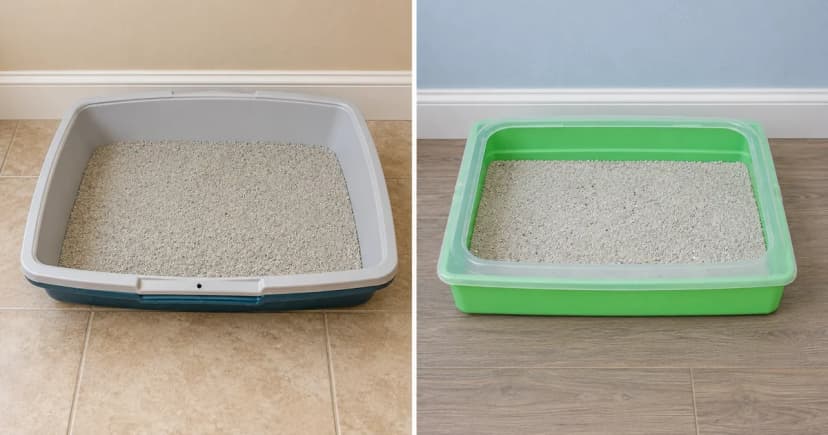
Check with the previous carer, breeder, or shelter which litter substrate and tray style your kitten has been using. Cats Protection's kitten guide recommends keeping the same familiar litter at first and making any future transition gradually. Moving into a new home already brings unfamiliar rooms, scents, and noises; swapping the toilet substrate at the same time adds an unnecessary hurdle.
Set up your kitten's quiet settling room before arrival with an easily reachable tray placed well away from food and water bowls. Once your kitten begins exploring, gently guide them toward the tray so they know where it sits, then let them step out and return on their own rather than holding them inside the box.
Make access easy to repeat along the entire route
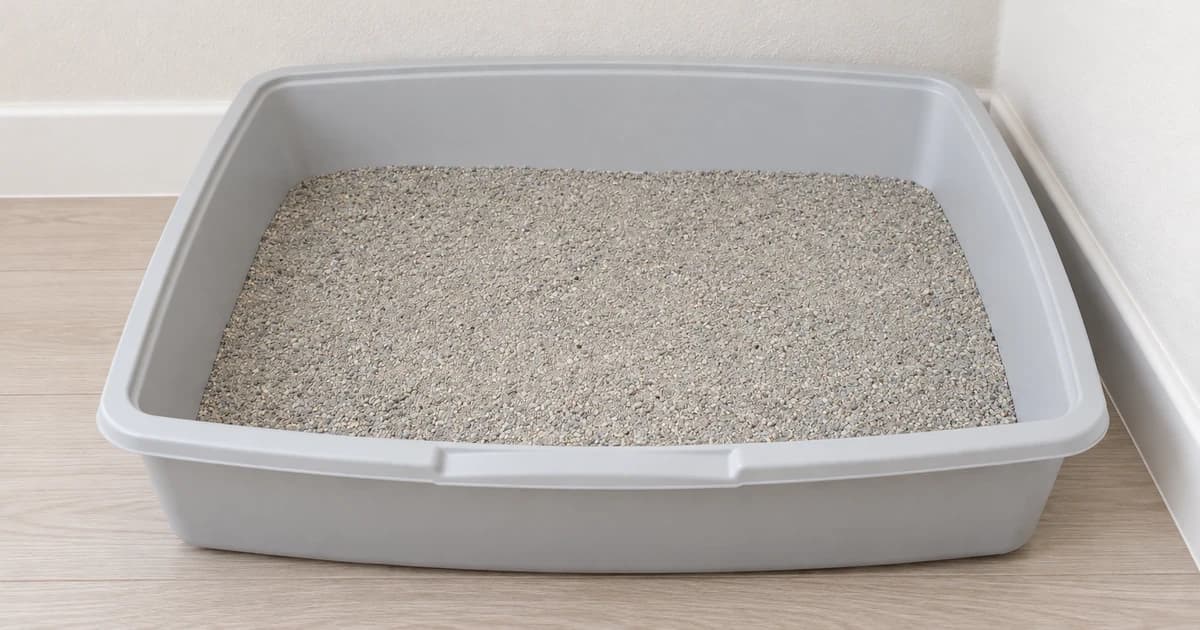
Battersea's litter-tray guidance highlights a quiet, consistently reachable spot and a low entrance rim that a small kitten can step over effortlessly. A tray tucked beside a loud washing machine or behind a door that swings shut creates an access barrier rather than a training failure.
Trace the complete pathway from the kitten's sleeping spot to the tray so everyone in the household checks the same four points. Observing an obstacle along this route explains why a kitten could not reach the tray without diagnosing a behavioural or medical problem:
| Pathway Zone | Obstacle to Check For | Household Fix to Keep Access Open |
|---|---|---|
| 1. Settling & resting area | Tray placed too far away in another part of the house while the kitten is still learning the room layout. | Keep a familiar tray inside the kitten's initial settling room, positioned away from food and water bowls. |
| 2. Doorway & corridor route | Closed or latched door: e.g., “The door was closed when the kitten approached” because a family member shut the utility or hallway door. | Use a secure door prop or place an additional tray on the kitten's side of any door that gets closed. |
| 3. Tray surroundings & traffic | Noise or interception: A spinning appliance, boiler click, busy foot traffic, or another pet lingering in the narrow approach lane. | Move the tray to a quiet, low-traffic corner with clear sightlines where other pets or children cannot corner the kitten. |
| 4. Tray entrance rim | High outer walls or a covered flap that a small kitten cannot climb over comfortably. | Choose a low-entry open tray; straining or discomfort once inside the tray always requires immediate veterinary advice. |
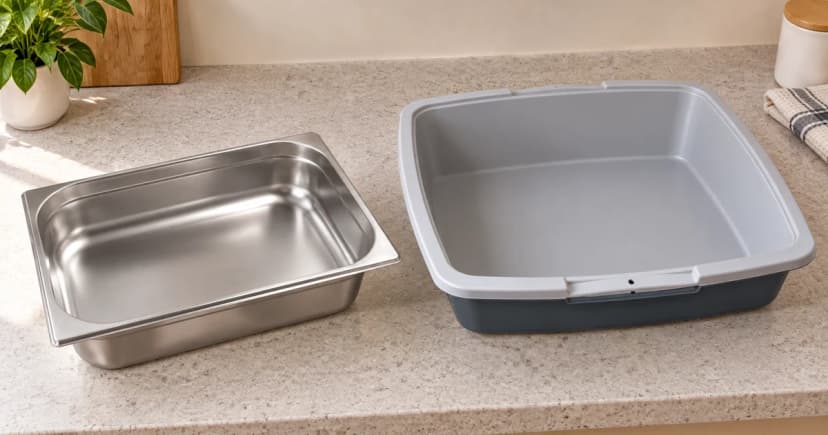
Inspect the actual step-in height when comparing open litter boxes—a product material label or outer wall height does not tell you how easily a young kitten can step over the front rim. Use our litter-box size guide for detailed dimension checks, and see our litter-box location and count guide if multiple cats share the home.
Show the tray, then give the kitten space
Keep early introductions calm. You can place the kitten near the tray after naps or meals so they know where it is, but never hold them inside or grab their front paws to make them rake the litter. Battersea advises letting kittens investigate and dig naturally.
When your kitten starts sniffing the floor or circling to toilet, make sure the path to the tray is clear and give them privacy. Remind children and visitors to leave the kitten completely undisturbed while using the tray.
PDSA's litter-training advice recommends gentle praise after the kitten finishes using the tray. Always wait until they have completed the visit and stepped out so encouragement never startles them mid-use.
Describe what happened before changing the setup
If an accident happens outside the tray, write down the concrete circumstances first. Noting that “the door was closed when the kitten approached” identifies a physical block, while “we switched to a new pellet litter yesterday” points to an abrupt substrate change. Keep a brief household log covering:
- Where the kitten was resting and whether the route to the tray was completely unobstructed.
- Whether the tray style, litter type, cleaning product, or corner location recently changed.
- Any toileting posture or stool/urine change to report to your veterinarian.
Once your vet rules out medical causes, adjust only one environmental variable at a time. As PDSA notes, individual cats have different litter and tray preferences.
Handle accidents calmly and recognize when to seek help
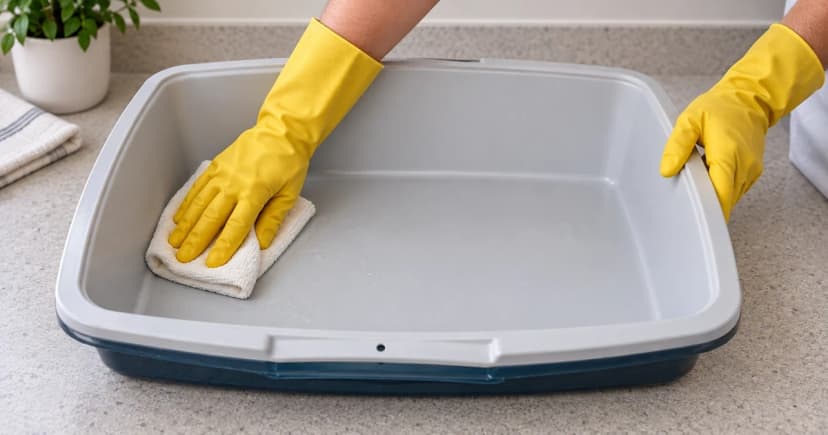
Never scold, rub a kitten's nose in a mess, or punish them for an accident; PDSA warns that punishment creates fear and worsens avoidance. Clean soiled spots promptly and keep the tray scooped and fresh using our litter-box cleaning guide, which separates daily scooping from full tray washing.
Contact your veterinarian promptly about persistent tray avoidance or any change in toileting habits. If your kitten is straining, vocalizing, seems uncomfortable, or is unable to pass urine or stool normally, seek veterinary attention immediately rather than experimenting with different litters.