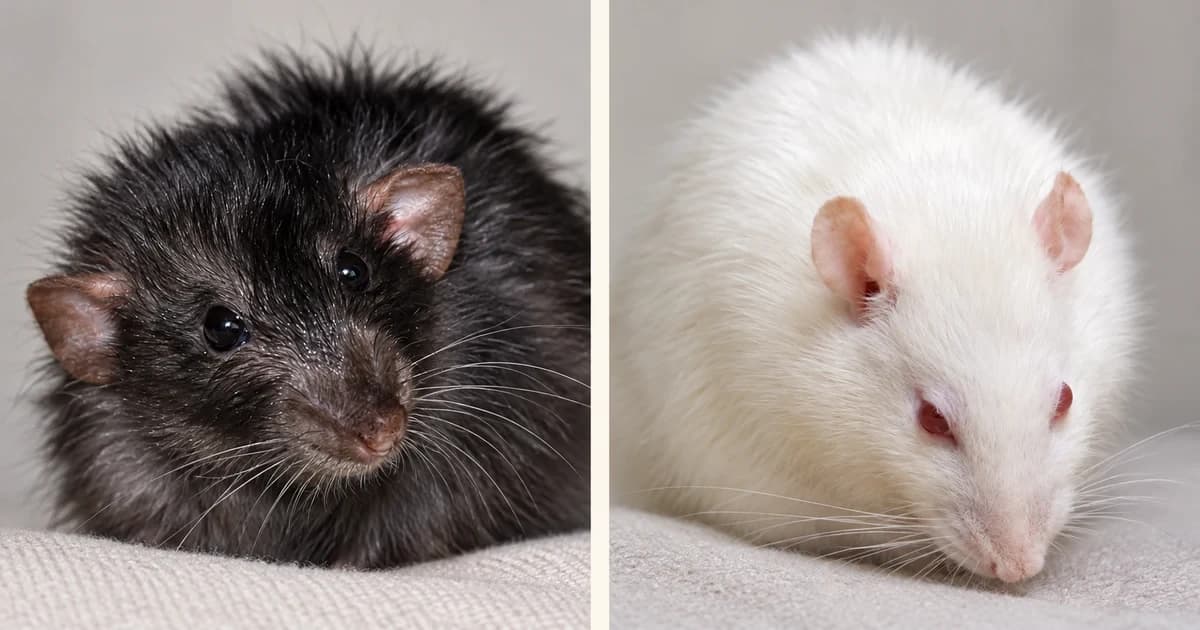
Knowing how to pick up a pet rat safely starts with making sure the rat is awake, alert, and choosing to interact, then using one of two distinct handling options described in Woodgreen's rat care guide: either let the rat walk onto your arm or through a tunnel onto your lap voluntarily (where no extra scoop is needed), or lift the rat using two-handed support with one hand under the chest behind the front legs and the other supporting the hindquarters—never lifting a rat by the tail.
Prepare the space and your rat's familiar retreat
The RSPCA's new-owner rat leaflet emphasizes patient settling-in, accessible hiding places, and a rat-proofed room with electrical cables covered and hazardous plants removed before any out-of-cage contact.
Keep the home enclosure open and reachable before you begin; our rat-cage setup guide covers arranging that permanent habitat. This guide focuses on everyday voluntary handling rather than clinical veterinary restraint.
Choose one of two handling paths (voluntary climb vs. two-handed lift)
The RSPCA rat behaviour guide advises letting rats investigate at their own pace and never forcing contact. If a rat retreats into a hide or backs away, pause and try later rather than chasing them around the cage.
When your rat is awake and comfortable with your presence, Woodgreen's rat care guide offers two separate ways to bring a rat onto your arms or lap. Treat these as two alternative paths rather than steps you must combine:
| Handling Path | When to Use It | How It Works & Support Rule |
|---|---|---|
| Option 1: Voluntary climb onto your arm or through a tunnel | Everyday social time or timid rats still building confidence with hands | Rest your forearm at the cage door or offer a familiar tunnel so the rat walks onto your arm or lap in their own time. Once the rat climbs onto your arm, simply keep your arm steady and supported—no extra two-handed scoop is needed. |
| Option 2: Two-handed body and rear lift | When you need to lift an awake, calm rat directly into your arms | Speak softly so the rat knows you are there, slide one hand gently under the chest behind the front legs, and support the hindquarters with your other hand as you bring the rat close to your body. Never lift by the tail. |
Option 1: Let the rat climb onto your arm or through a tunnel (no extra scoop needed)
Following Woodgreen's guidance, place your hand and forearm steadily at the open cage entrance so a confident rat can walk straight onto your arm. For a shy or timid rat, place a familiar tunnel where the rat can step inside voluntarily, then let them emerge onto your lap at their own pace. If the rat climbs onto your arm or lap this way, keep their body supported against you—no extra two-handed scoop is needed.
Option 2: Use Woodgreen's two-handed body and rear support when lifting
When a direct lift is needed, follow Woodgreen's three-step sequence:
- Make sure the rat is awake, alert, and aware of your approach: Speak quietly before reaching in so you never startle a sleeping rat.
- Support the front torso: Slide one hand gently underneath the rat's body just behind the front legs.
- Support the hindquarters and hold close: Cup and support the rear and hind legs with your second hand, lifting the rat smoothly into your arms against your chest.
Never pick up or hold a rat by its tail, which can cause severe injury and pain.
Return with full support and know when to stop
Keep both the body and hindquarters supported all the way back into the familiar cage until the rat steps safely onto a solid shelf or bedding. If your rat fidgets, freezes, or looks distressed, return them to their cage immediately rather than prolonging the session.
Sudden behavioural changes, squeaking when touched, or repeated fear warrant a veterinary check to rule out pain or illness, and the RSPCA also encourages adopters to ask their adoption centre for a hands-on handling demonstration rather than using a tighter grip.