Knowing how to tell if a cat is bored starts with recognizing that you cannot confirm boredom from one behaviour alone. Repeated meowing, pacing, overgrooming or a change in activity can be reasons to investigate, but the exact same actions can also stem from pain, illness or stress. Look at the surrounding household context and seek veterinary advice about behaviour changes before deciding that the answer is simply more entertainment.
The useful distinction is between what you observed and the cause you are considering. “My cat paced near the door while visitors were here” gives you more to investigate than “my cat is bored.” The first describes an event; the second assumes the explanation.
Read a list of signs as possibilities
Cats Protection's boredom guidance lists behaviours including meowing, pacing, overgrooming and destructive activity. It begins by advising owners to consult a vet about behaviour changes, because many listed behaviours can have several causes. Keep that qualification with the list.
A burst of running or a cat resting during the day does not establish boredom. Do not turn a list into a score by counting how many items you recognize. The sources here provide welfare guidance, not a validated home diagnostic test or a frequency cutoff that identifies an individual cat's emotional state.
If sleep is the specific question, use the separate cat sleep guide. This article does not repeat a sleep diary or use sleeping hours to decide whether your cat needs a new toy.
Consider the overlap with stress and health
Cats Protection's stress guide describes hiding, changed scratching and other behaviour changes, and explains that cats may hide stress or pain. An action that looks like mischief can therefore be a reason to examine the situation rather than to punish the cat.
Battersea's stress guidance also lists pacing, excessive meowing, overgrooming and reluctance to play. Those overlap with behaviours commonly described as boredom. The overlap does not prove stress either; it shows why the behaviour alone cannot settle the cause.
For a new or concerning change, contact your veterinarian. Cats Protection particularly emphasizes prompt assessment when there are physical changes such as weight loss or toileting problems. Do not wait to try every enrichment idea first, or explain a cat's lack of appetite as simply being bored with food.
Look for what changed around the behaviour
Notice whether the event occurs in a particular place or situation. Have visitors arrived, building work begun or household routines changed? Does another animal appear near the doorway or interrupt the cat's access to an area? These details can give your vet or a qualified behaviour professional useful context without assigning a diagnosis.
Battersea describes routine changes, other animals, handling and resource competition as possible sources of stress. Cats Protection likewise notes that some cats find visitors, noise or unsuitable resource locations difficult. Individual cats differ, so the same household change will not produce the same response in every cat.
Separate three kinds of information when describing the situation:
- The event: what the cat actually did, where it happened and what was going on nearby.
- The surrounding change: a different routine, noise, person, animal or access route that may be relevant.
- Other concerns: eating, toileting, grooming, weight or signs of discomfort that should be described to your vet.
This is a way to organize a conversation. It does not establish that the nearest change caused the behaviour or that an absence of obvious disruption rules out a health problem.
Check access, rather than counting possessions
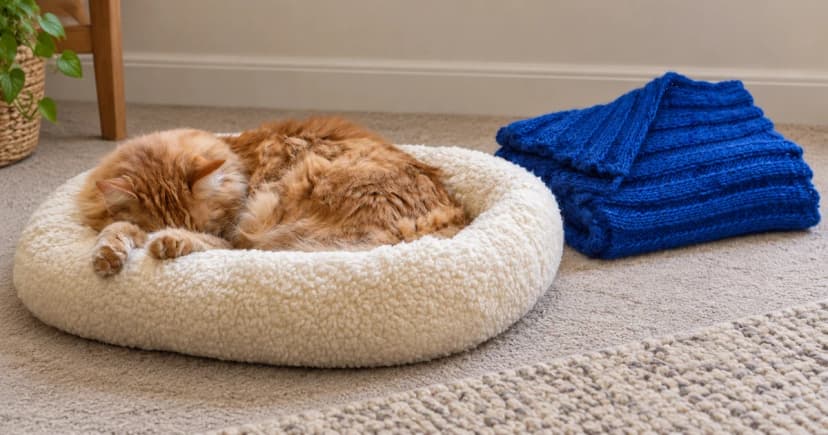
A home can contain a bed, litter tray, bowls and toys while the cat still has difficulty using them. Battersea emphasizes the type, quality and location of resources as well as their number. A resting place in a busy area or a route regularly interrupted by another animal deserves attention.
Check whether your cat can approach important areas and retreat from handling when they choose. If the cat hides, do not pull them out for play or pet them while they are trapped. Battersea advises giving cats choice and a way to leave interactions.
| Household Zone (Describing Environment, Not Scoring Boredom) | Can the Cat Approach Freely? | Is There an Unblocked Retreat Route? | Who or What Interrupts Access? | Next Observation Step |
|---|---|---|---|---|
| Resting spot or cat bed | Note if the bed sits in a quiet corner vs. a busy hallway or doorway. | Check whether the cat can leave the bed without being cornered or picked up. | Foot traffic, loud appliances, visitors, or another pet passing close by. | Record whether the cat uses the spot more when the room is quiet or elevated. |
| Food and water station | Check if bowls are separated from noisy doors and reachable without passing another animal. | Verify open floor space behind and beside the feeding spot. | Another cat or dog lingering near the doorway, or sudden household noise. | Note any hesitation at mealtimes and report appetite changes to your vet first. |
| Litter tray area | Confirm the hallway or doorway to the tray stays open and quiet at all hours. | Ensure the tray placement allows an easy exit rather than a dead-end corner. | Other pets blocking the corridor, closed doors, or nearby machinery. | Share any toileting changes or straining with your veterinarian immediately. |
| Play and floor-activity space | Check if the cat can investigate toys in their own time without forced interaction. | Leave a clear path to a hiding spot or high perch whenever play stops. | Another animal taking over the space or people reaching into a hiding place. | Observe when and where the cat chooses to engage before changing toys. |
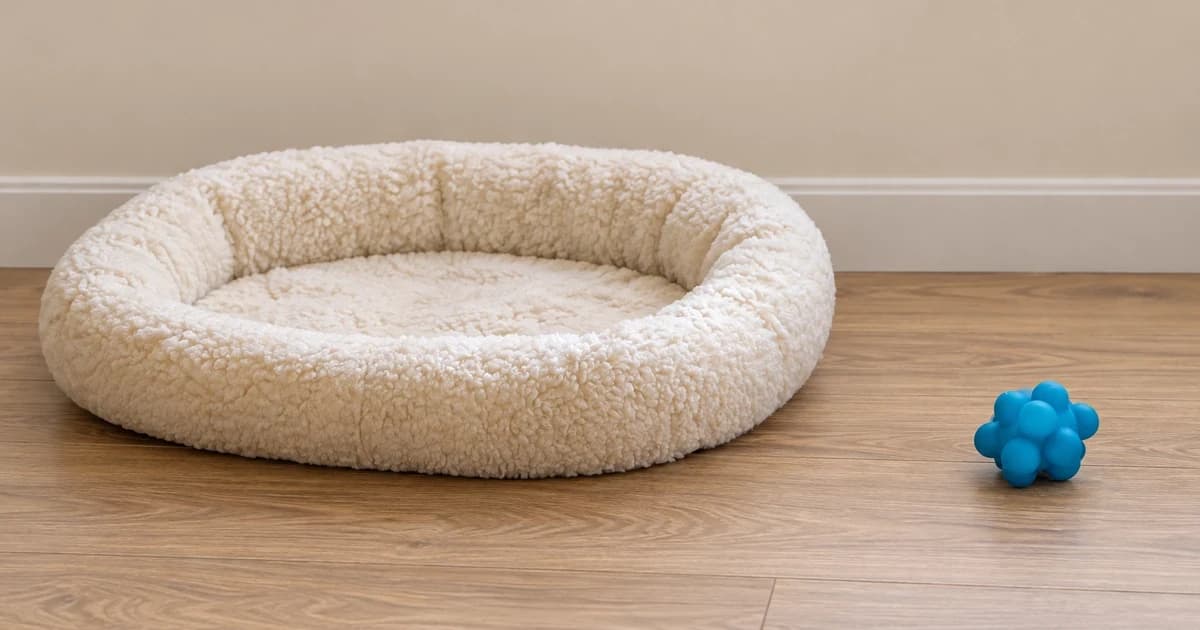
Neither being indoors nor having few visible toys proves boredom. Likewise, buying another bed does not show that a resting area is accessible, and providing another toy does not resolve every reason a cat avoids play. Compare resting-place options through actual dimensions and placement, rather than expecting the item itself to diagnose or treat a problem.
Choose the next task without promising a cure
If your vet has addressed health concerns, consider the cat's opportunities for activities they choose to engage in. For how to offer interactive play, use the separate cat play guide. A response to one session can inform what the cat engages with; it does not retrospectively prove that boredom caused every earlier behaviour.
Think carefully before adding another cat as a solution. Cats Protection cautions that a new cat may create stress rather than provide the companionship you expect. More stimulation is not the same as more animals, louder activity or forced interaction.
If the concern persists, ask your veterinarian about suitable behaviour support. Keep observations specific and keep the competing explanations open. When browsing cat toy options, use them to plan an appropriate activity, not as a diagnostic test or a guarantee that a behaviour change will disappear.