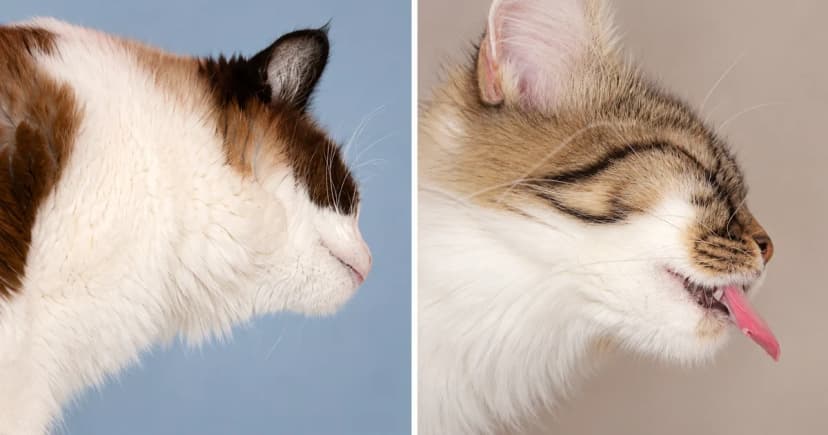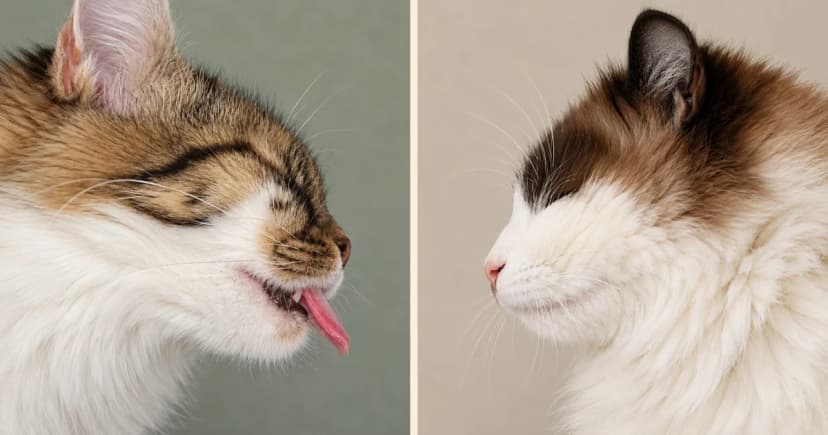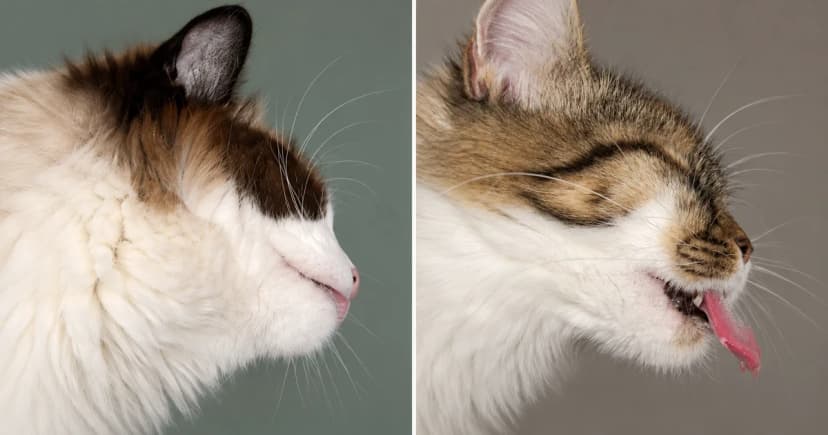
To learn how to teach a cat its name indoors, use brief, voluntary reward-based sessions. Reward attention (looking at you) first, and count arrival only when your cat voluntarily walks all the way to you.
Start nearby and progress through four stages
Begin with an awake, willing cat in a quiet, familiar room with normal resources accessible. Use one consistent name cue and a familiar permitted reward, advancing only when the current stage is comfortable and consistent:
| Stage | What you do and reward | When to advance vs. step back |
|---|---|---|
| 1. Nearby look | Stand or sit close to your cat, say their name once calmly, and immediately reward them for looking toward you | Distinguish attention from arrival; stay at this stage until looking at you on cue is comfortable and consistent |
| 2. One voluntary step | From a short distance, say the name and reward your cat for taking a voluntary step toward you | If the cat only looks, repeat Stage 1 nearby; repeat single-step rewards before asking for a longer approach |
| 3. Full arrival | Invite your cat across a short indoor gap and deliver the reward when they reach you | Count arrival only when the cat reaches you; if they stop partway, shorten the gap back to Stage 2 |
| 4. Gradual indoor distance | Slowly increase indoor distance or vary your position in familiar rooms | If a distance increase stops working, avoid louder calls or punishment and return to the last accepted nearby position (→ back to Stage 3) |
- If there is no response at any point, simplify the setup or reconsider whether the reward interests your cat right now.
- Never shout, chase, corner or punish the cat for ignoring a cue.
- Keep practice brief, pause immediately on frustration or disengagement, and continue occasional rewards once learned.
Cats Protection, Battersea and RSPCA Australia explain these reward-based principles.
Keep the next activity clear
The indoor entertainment guide places optional activities among ordinary resources and rest. Use it for the wider household routine.
The cat play guide covers moving a toy, allowing catches and pausing a game. Carrier practice covers voluntary entry, doors and later lifting as separate stages. Coming to a person does not complete those equipment stages.