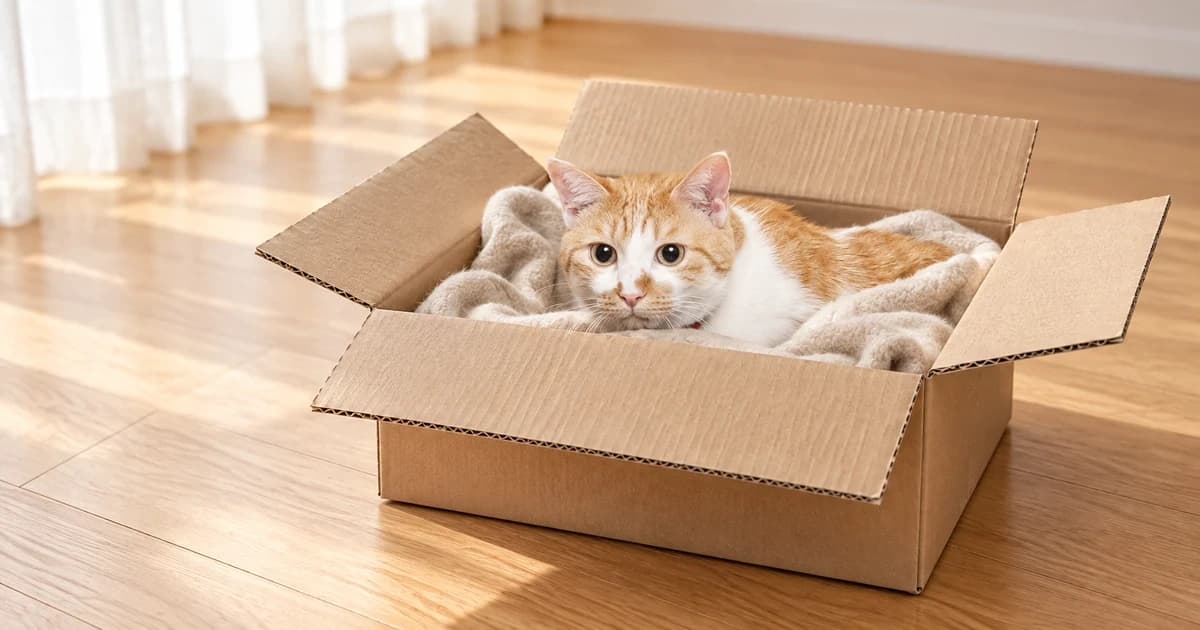
Many cats use boxes as places to hide, rest, explore or wait before pouncing on a toy. A box can offer some privacy and an interesting space to investigate, but an individual cat's reasons vary. Watch how yours chooses to use it instead of assuming every cat likes the same box.
One box can serve several purposes
Cats Protection's explanation of box appeal, written by veterinary nurse Helen Crofts, describes the attraction of a private resting place away from household activity. The appeal can be the space the box creates rather than the price or sophistication of a new bed.
A cat might curl up for a nap on one occasion and investigate the edges on another. A box also changes the outline of familiar floor space, giving the cat something new to explore. These are possible uses, rather than a way to read a particular cat's mind.
Zoetis Petcare's box guide similarly describes hiding, resting and hunting-style play, while acknowledging that the reasons depend on the cat. A box does not have to become a favorite, and ignoring it does not mean there is something wrong with your pet.
Observe the choice your cat is making
The useful question is what your cat does with this box in this location. Give them room to investigate voluntarily, then look for a pattern rather than judging from a photograph or a single visit.
| What you observe | A useful next step |
|---|---|
| They enter and settle. | Leave the resting spot undisturbed and keep an easy route out. |
| They investigate, then leave. | Allow that choice. The box does not need to become a permanent bed. |
| They hide and watch a nearby toy. | Offer supervised play with the toy separated from your hands. |
| They ignore the box. | Keep other resting and play choices available instead of putting them inside it. |
These observations do not diagnose comfort, fear or illness. They help you decide whether to leave the space alone, offer a game or try a different arrangement.
Prepare the box before offering it
Zoetis advises removing packing materials and fasteners, including plastic, foam, staples and twist ties. Inspect a delivery box before treating it as enrichment; the fact that it arrived with a pet product does not make everything inside appropriate for play.
Keep the box open and make sure your cat can leave easily. Do not close the flaps around them to create a snugger den. A soft blanket can provide a resting surface, as Zoetis describes, but leave the exit clear and observe the cat's response to the arrangement.
Cats Protection's hiding guidance recommends a quiet retreat where the cat will not be disturbed. Check inside before removing or discarding a box, rather than assuming that an apparently empty carton has no feline visitor.
Keep box play separate from hands and feet
A box can become a place to wait for a toy, rather than only somewhere to sleep. Cats Protection's play guide describes games that allow stalking, pouncing, chasing and batting. It also recommends using toys at a distance from your body instead of encouraging play with fingers or toes.
Let the cat investigate at their own pace. Supervise games, check equipment for wear and put away toys that could be shredded, eaten or tangled around the cat. You do not need to turn every quiet visit to the box into a play session.
A sudden change in hiding deserves attention
A familiar box used for an occasional nap is different from a cat newly hiding much more than usual. Cats Protection recommends veterinary assessment when hiding increases, because illness or stress may be involved. A new box cannot tell you which explanation applies.
Seek advice if you are concerned about eating, drinking or toileting as well. Give your veterinary team a description of what changed and when. Avoid repeatedly coaxing the cat out merely to test whether they still like the box.
Offer choices beyond the carton
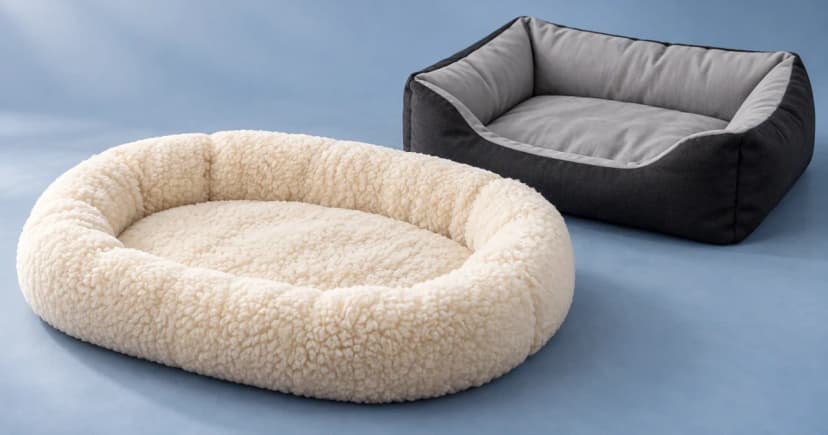
Pawlivy's cat hideaway house category offers another type of resting-space option. It does not establish that a particular house duplicates a cardboard box's appeal or suits every cat.
Keep comfortable alternatives available and let your cat choose. A box is useful when it offers an accessible space they can use and leave freely, not when it becomes a test of their affection or proof that an expensive bed was a mistake.