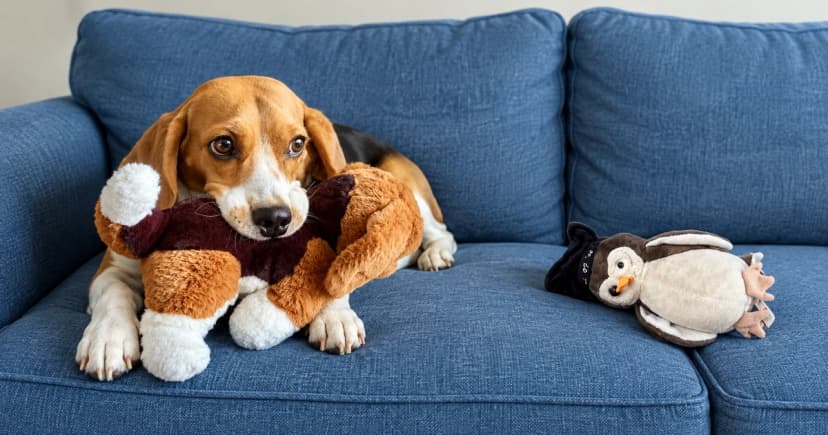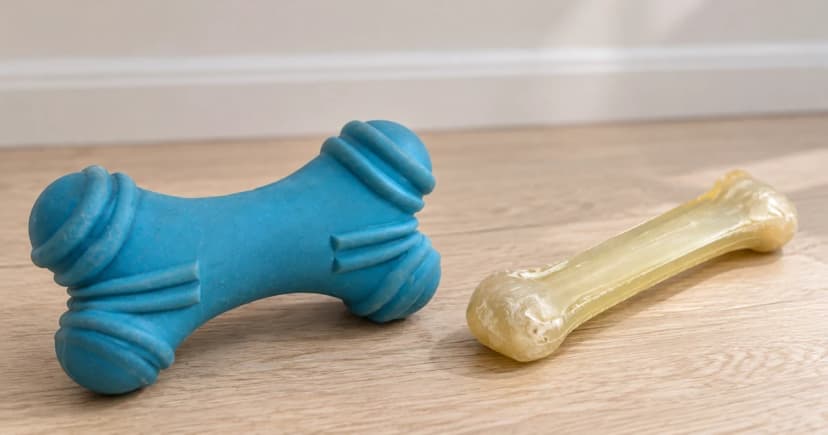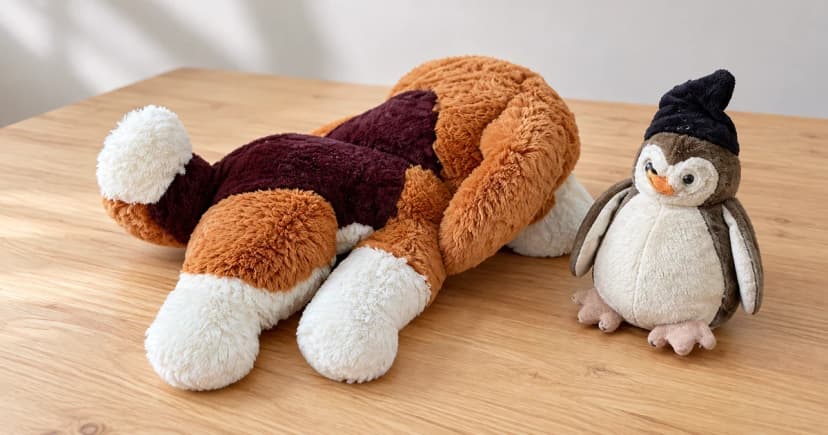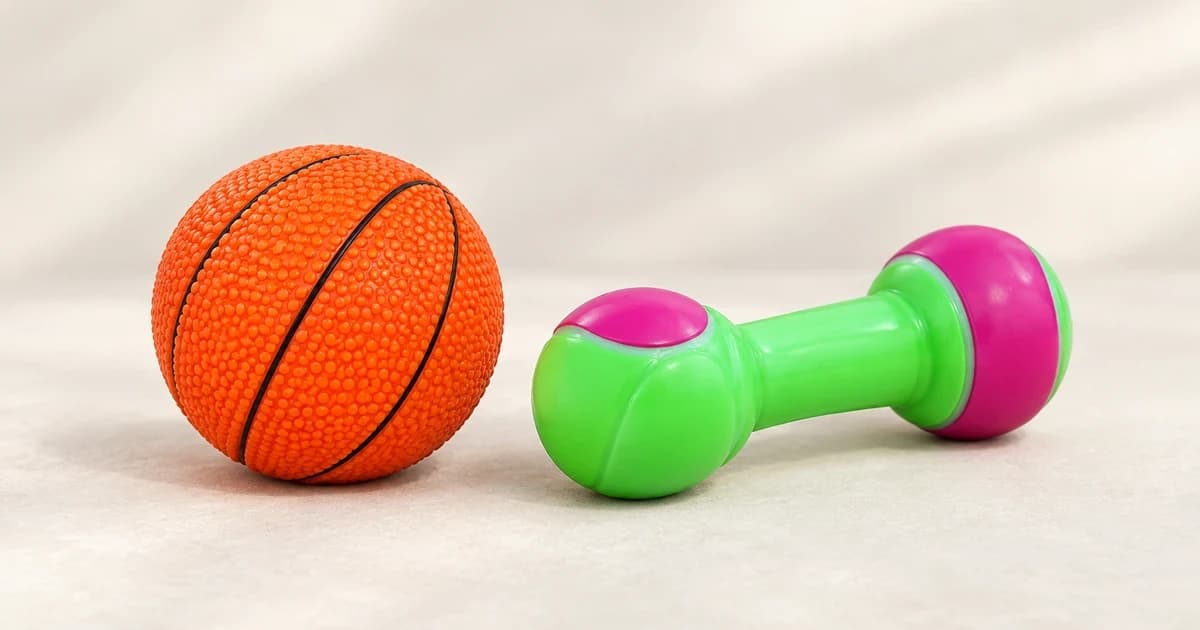
When pet owners ask why do dogs like squeaky toys, veterinary and behavior sources point to three main possibilities: the high-pitched sound mimics prey vocalizations that catch a dog's attention, the squeaker gives immediate acoustic feedback when bitten, or the noise reliably draws a person into shared play. Because dogs are individuals, none of these explanations is a guaranteed motive for every dog—some dogs love noisy play, while others prefer silent dog toys or interactive games with you.
1. Three source-backed reasons why dogs love squeaky toys
Rather than treating a squeak as a window into a dog's exact thoughts, published guides describe three overlapping mechanisms that help explain why does dogs like squeaky toys:
- Prey-like sound and attention: In PetMD's overview of squeaky-toy appeal, veterinarian Dr. Jennifer Coates notes that high-pitched squeaks may appeal to a dog's predatory instincts by resembling the sounds of small prey. The American Kennel Club (AKC) similarly connects prey-like sound and texture to toy preference while emphasizing that individual tastes vary widely.
- Immediate bite feedback: Dr. Coates also explains that biting down and hearing an instant squeak provides immediate sensory feedback—the toy reacts directly to what the dog's jaws did. Toy manufacturer Nylabone highlights this same cause-and-effect satisfaction alongside shared play.
- Human attention and social play: PetMD points out that if squeaking a toy consistently prompts you to look over, talk, or join a game, your attention can reinforce noisy play just as much as the sound itself.
2. Match what you observe to an explanation and a practical next step
Instead of guessing a hidden motive, watch what your dog does before, during, and after the squeak, then choose the next play or safety action from the fourth column below:
| What you observe | Possible source-backed explanation | What the observation does not prove | Practical next step you can take |
|---|---|---|---|
| Dog perks up, chases, and squeaks the toy repeatedly in relaxed solo play | High-pitched sound and instant bite feedback hold the dog's interest. | That the dog needs constant high-arousal noise or that the toy cannot be chewed apart. | Allow supervised play while the shell remains intact; rotate in quiet chew or dog puzzle toys so play stays varied. |
| Dog squeaks the toy right beside you or drops it in your lap | Past human reactions or shared games may have linked the squeak with social interaction. | That the sound alone drives the preference. | Start a short, structured game using dog tug toys or fetch items when you are available to play together. |
| Dog rips at seams to extract or swallow the internal plastic squeaker | Focused biting is targeting the sound source inside the toy. | That a "tough" label makes an exposed squeaker safe to chew. | Remove the damaged toy immediately to prevent swallowing hazards; switch to intact solid rubber items or dog toys without stuffing under supervision. |
| Dog becomes overly frantic, guards the noisy toy, or startles at the pitch | The sharp acoustic feedback may be over-arousing or aversive for this individual dog. | That every dog must enjoy squeakers to have normal play. | Pause squeaky play right away and offer calm, silent enrichment or scent games instead. |
3. Choose between noisy play, quiet alternatives, or a pause
Both PetMD and the AKC stress that a dog who ignores squeakers is not missing a mandatory activity. If your dog shows no interest in any play items at all, walk through our guide to a dog who does not play with toys to check for comfort, environment, or health changes.
When comparing squeaky dog toys, check sizing and seam construction before each session, and retire any toy as soon as stitching loosens or a reed is exposed. For material and maintenance checks, see our rubber-toy material guide and dog-toy cleaning guide. This guide synthesizes published veterinary and training explanations without claiming laboratory acoustic testing or hands-on preference trials.