A dog who ignores toys may prefer a different kind of play, a different presentation or a quieter activity. Refusing a toy does not, by itself, tell you that a dog is bored, stubborn or unwell. Then offer a simple, voluntary activity and watch the response.
Do not keep making a game louder or faster to get a reaction. If your dog walks away, let the invitation end. You can meet an individual dog's needs without making fetch or tug the measure of a successful day.
Has your dog's interest changed?
Compare today with the dog's own history. Has your dog always preferred sniffing to carrying a toy, or did a previously enthusiastic player suddenly stop joining in? Note when the change began and whether movement, rest or other everyday activities have changed too. This comparison is more useful than comparing your dog with a breed description or a friend's pet.
If your dog is limping, stiff, walking differently or slowing down, contact your veterinarian instead of trying to exercise the problem away. PDSA's veterinary guidance recommends assessment even when a movement problem appears minor. Severe pain, inability to put a leg down or a serious wound needs immediate veterinary contact.
Not wanting a toy is not a diagnosis of pain. Equally, a new change should not automatically be dismissed as age or laziness. If you are concerned about an unexplained change, ask your veterinarian what assessment is appropriate before pushing for more activity.
Match the invitation to what your dog enjoys
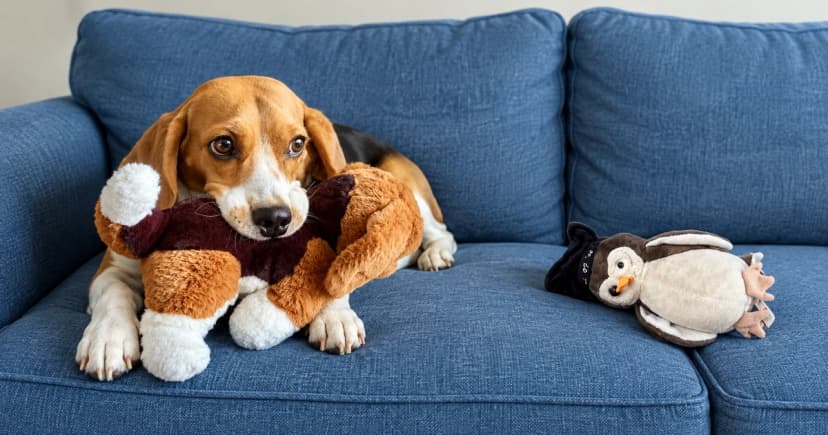
Blue Cross's play advice describes different play styles, including chasing, tugging and searching. Watch for the activities your dog chooses. Does the dog enjoy exploring with its nose, moving after an object or carrying something around? A toy that suits one pattern may receive little attention when presented as a different game.
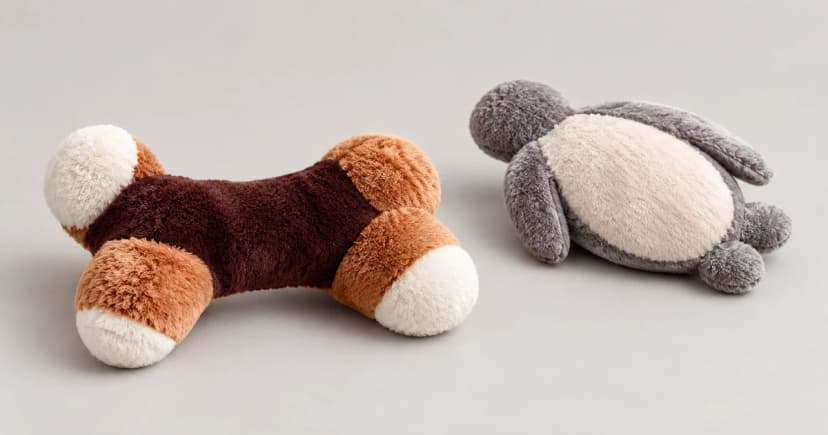
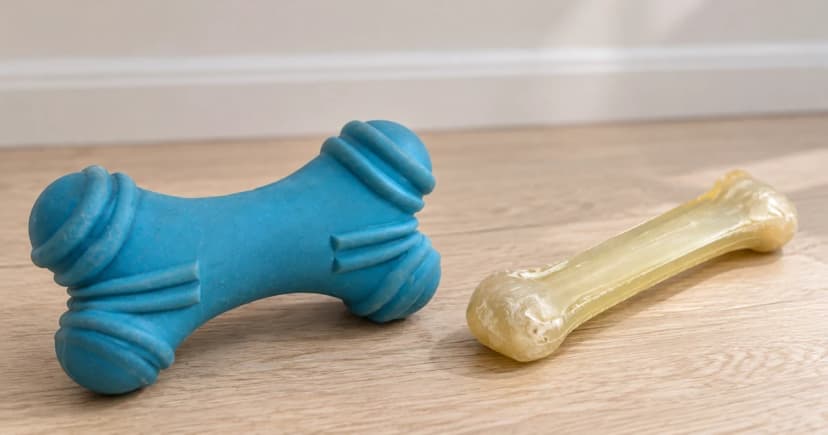
Make one small change at a time. Try a suitable toy with a different texture, or make the same toy part of a simple search rather than repeatedly throwing it. Keep the object within easy reach. Leave room for the dog to approach or disengage, and avoid waving it into the dog's face.
Choose the size and intended use for the individual dog, inspect detachable parts and supervise the interaction. Browse dog toys and enrichment by the task you want to offer, rather than treating a product's popularity as proof your dog will like it.
Make the first invitation easy
Dogs Trust's enrichment guidance puts the dog's health, abilities and preferences at the center of activity choice. It recommends watching for engagement, confusion and frustration, then adjusting the activity. Interest in a brief sniff does not have to become a demand to chase, carry and return an object immediately.
Choose a familiar setting with fewer competing distractions and offer one uncomplicated activity. Give your dog a chance to notice it. If the invitation is ignored, stop and try a different suitable option another time. Repeatedly presenting a rejected object tells you little about which alternative the dog might choose.
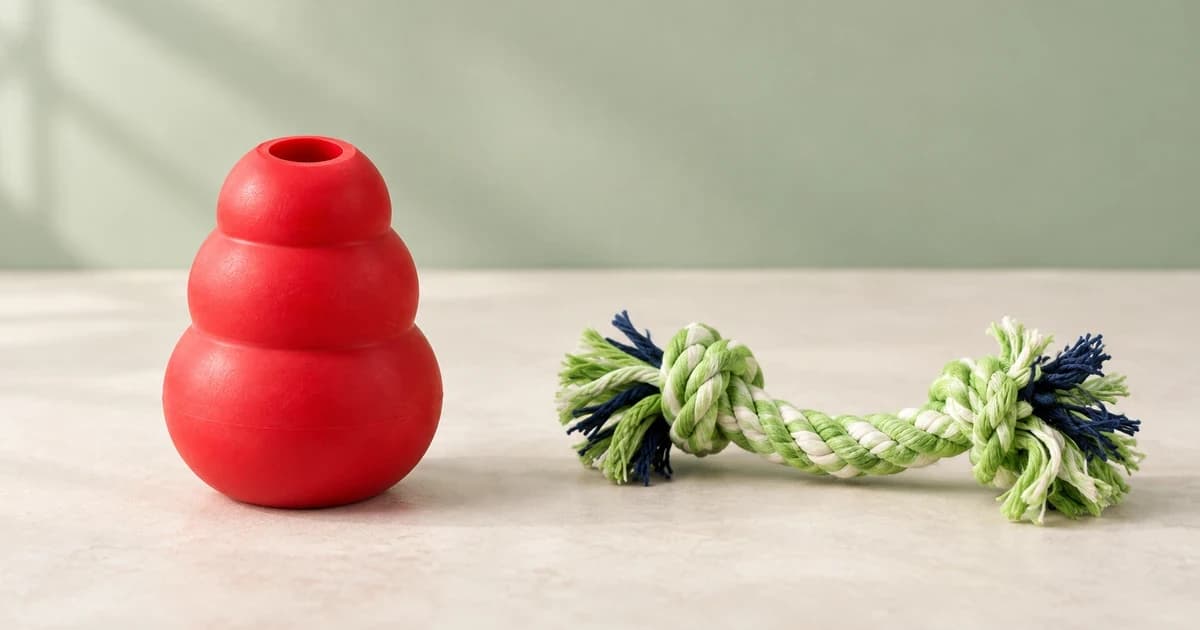
Keep a short observation note: what you offered, the setting and what the dog actually did. "Sniffed the rope and walked away" is more informative than "doesn't know how to play." Compare a few comfortable opportunities without setting a deadline for becoming a toy enthusiast.
Offer enrichment beyond toys
Blue Cross's enrichment advice includes scent activities, reward-based training and time with preferred people. A slow sniffing walk can be a useful alternative to energetic toy play when it suits the dog's health and circumstances. Quiet time together is also different from ignoring the dog's need for activity.
Food-based activities may be another option, but choose for the dog's dietary needs and abilities. Count food rewards within the daily allowance and supervise any equipment. Start with a manageable challenge; food hidden in a device the dog cannot use is not automatically enriching.
Continue the activities your dog willingly joins, adapt those that cause confusion and leave rejected games aside. The goal is a comfortable choice of appropriate activities, with veterinary input when behavior or movement changes are concerning.