To clean dog boots, start with the care instructions for the exact boots you own. “Dog boots” covers different uppers, linings, soles and closures, so one washing recipe cannot stand in for the whole category. Confirm the permitted wash method, follow its drying instructions, and keep any separate sole treatment on the same care record.
The three manufacturer examples below show why this matters. One specifies a cold gentle cycle with mild detergent; another gives a maximum machine-wash temperature but no detergent or cycle; a third calls for leather-sole treatment after each wash.
Identify the complete boot before choosing a wash method
Find the model name on the packaging, order record or product label, then compare its care label with the manufacturer's instructions. Check that the instructions describe your version. An orange boot in a photograph, a rubber-looking sole or a soft lining does not identify the materials or establish machine-wash permission.
Put all the boots from that set together, away from your dog, and note which instructions apply. If you own different front and rear boots or have replaced one with another model, keep their care instructions separate. A size difference within one model is not itself evidence that the care method changes; a different model needs its own check.
Before adding water or a cleaning product, look at the exterior, opening, lining you can reach, sole edges and fastening surfaces. Record visible dirt, trapped material or damage without turning that observation into a promise about how a wash will work.
Compare the actual instructions, model by model
These are examples from the named manufacturer pages, not a combined procedure for every pair of boots.
| Named boot | Published care instructions | Detail still to resolve |
|---|---|---|
| Ruffwear Grip Trex | Secure fasteners; wash in cold water on a gentle cycle with mild detergent; air dry. | The page gives no drying duration. Do not apply this recipe to another model. |
| Non-stop dogwear Protector bootie | Machine wash at a maximum of 30°C; do not tumble dry. | The wash guide does not specify a detergent, cycle or detailed drying arrangement. |
| Original Fleece-Lined Muttluks | Close fasteners; wash in cold water; air dry; re-treat leather soles after each wash. Do not bleach, iron or dry clean. |
“Maximum 30°C” sets an upper temperature limit for the Protector bootie; it does not supply the missing cycle or detergent. Likewise, the Muttluks instruction to re-treat the soles does not tell you to use a particular conditioner, grease or waterproofing spray.
Keep closures, interiors and sole care visible in the plan
For Grip Trex and Original Fleece-Lined Muttluks, securing or closing the fasteners is an explicit preparation step. Follow that instruction for those models. The short Protector wash guide does not state a fastening sequence, so do not attribute the other brands' directions to it.
Use the boot's existing opening to see what you can inspect; do not cut seams or dismantle a sole to reach a hidden area. If material remains somewhere you cannot access by the permitted care method, describe its location to the manufacturer. An outside photograph cannot establish the condition of a covered lining or seam.
Treat leather-sole care as its own unfinished step when the maker requires it. A washed upper is not a completed Muttluks care record if the specified post-wash sole treatment is still unresolved. Equally, that instruction does not create a leather-treatment requirement for the other two boots.
Follow the drying direction without inventing a timer
Grip Trex and Original Fleece-Lined Muttluks specify air drying. Protector bootie prohibits tumble drying but the guide does not describe an alternative arrangement.
None of these care blocks gives a universal number of drying hours. Do not write “ready tomorrow” solely because the outside looks dry. Check the accessible lining and overlapping areas separately from the exterior, and record anything that remains damp or cannot be assessed. A touch check is an observation of the area reached, not proof about a hidden layer.
A heater, hair dryer, ironing step or improvised chemical rinse is not a substitute for an unresolved instruction. Keep the care task open when the method or condition is uncertain. Cleaning also does not establish that worn material has regained its original performance.
Use a small record for each boot
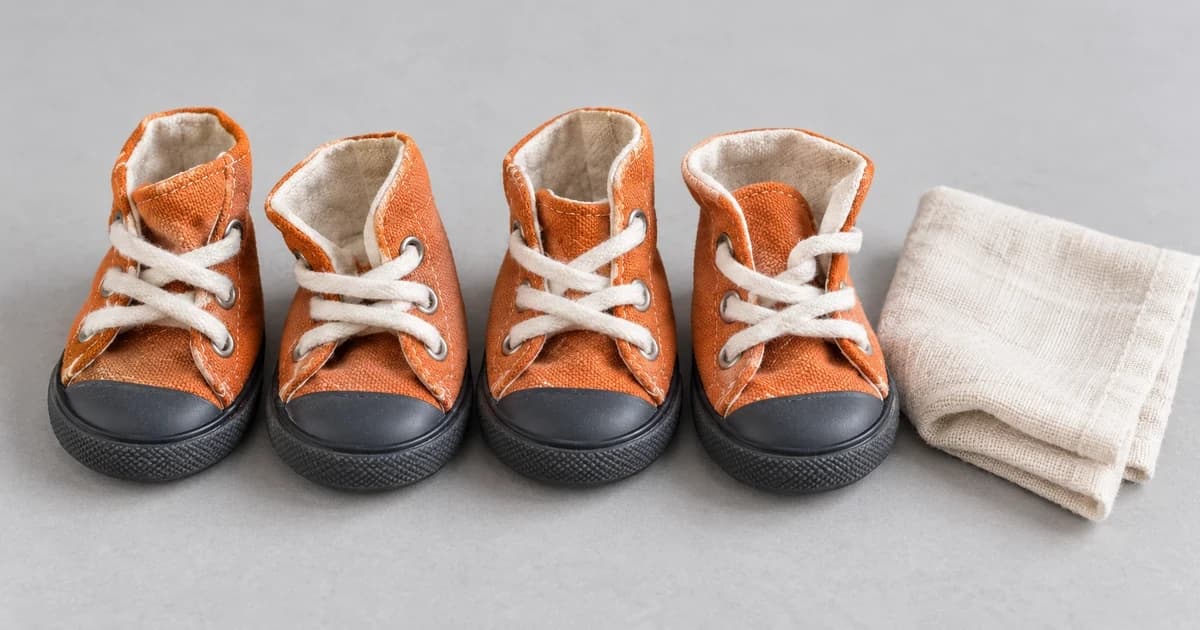
A four-boot set can contain four different observations. This simple record helps avoid calling the whole set finished when one lining or sole-care step still needs attention.
| Record | What to write |
|---|---|
| Identity and instructions | |
| Before washing | Which boot; visible condition of the upper, accessible interior, sole and closure. |
| Care performed | The actual permitted method used, rather than a copied generic checklist. |
| Drying observation | Exterior and accessible interior observations separately; mark hidden or uncertain areas unresolved. |
| Separate follow-up |
Keep maintenance separate from choosing a size or introducing boots to a dog. Our guides to measuring paws for boots and helping a dog get used to boots cover those different tasks. You can browse Pawlivy's boots and shoes category for the category itself; its listings do not make these manufacturer examples a match for a particular Pawlivy item.
Sources and editorial scope
Unspecified settings remain unresolved. Our editorial policy explains how we separate documented instructions from illustration and inference.