To learn how to stop a dog pulling on the leash, teach your dog that walking near you while the dog leash stays slack earns rewards and keeps the walk moving forward. Start in a quiet indoor room or garden, deliver treats beside your leg before the leash tightens, and pause calmly without jerking or scolding whenever tension appears. Loose-leash walking leaves room for relaxed movement and scheduled sniffing breaks—it does not require a rigid formal heel or standing frozen in an unsafe spot when you cannot manage your dog.
Teach a comfortable side position before adding distance
Dogs Trust's loose-lead walking guide starts in a distraction-free space at home or in the garden, rewarding your dog simply for standing or sitting calmly at your chosen side before you take a single step. Once standing beside you earns reliable rewards, add one step and reward again while the lead hangs loose.
Battersea's lead-walking guide notes that you can even rehearse your reward hand placement without the lead attached inside a secure room or fenced garden first, then clip the lead on once your timing feels smooth.
Reward the slack before pulling becomes a “yo-yo” chain
Battersea emphasizes short repetitions, delivering treats right beside your chosen leg (facing the direction of travel rather than feeding in front of your toes), and gradually spacing rewards across more steps. The critical timing rule is to reward while your dog is walking with a loose leash—before they surge to the end of the line.
If you only reach for a treat after your dog pulls ahead, hits the end of the leash, and walks back to you, many clever dogs learn a repeating “yo-yo” chain where pulling hard is the trigger that starts the reward sequence. Compare the two reward sequences below:
| Sequence Step | Proactive Loose-Walking Timing (Recommended by Battersea & Dogs Trust) | Unintended “Yo-Yo” Pull-and-Return Loop (Avoid) |
|---|---|---|
| Step 1: Movement | You take 1–2 steps; your dog moves near your chosen side while the dog leash hangs in a slack curve. | You walk until your dog surges ahead and pulls the leash tight. |
| Step 2: Handler & reward timing | Reward delivered now: You feed a treat right beside your leg while the leash is still loose, before tension ever starts. | You stop; the dog turns back toward you and receives a treat only upon returning from the pull. |
| Step 3: What the dog repeats next | Dog stays near your side for the next 1–2 loose steps to earn the next side-delivered reward. | Dog immediately lunges to the end of the leash again so they can bounce back for another treat. |
Pause or reset without jerking the leash back
PDSA's guide to training dogs not to pull advises stopping forward movement as soon as the lead tightens—without yanking the leash back or telling your dog off—and resuming once the lead goes slack again. Use what happens on the walk to choose your next adjustment:
| What You Observe | Manageable Next Step | What to Focus On |
|---|---|---|
| The leash stays loose for one or two steps | Repeat a short pass and deliver the treat right beside your chosen leg | Rewarding loose movement before any tension appears |
| The dog surges ahead and the leash tightens | Pause calmly without jerking; resume when slack returns, then reward earlier on the next step | Delivering the next reward before the dog reaches the end of the leash |
| A distraction (another dog, traffic, or scent) overwhelms focus | Increase distance or step back to a quieter area where your dog can respond | Practising at a difficulty level your dog can actually succeed in |
| Pulling away and returning repeats between every treat | Shorten the number of steps and feed 2–3 quick treats in a row while walking with slack | Making staying near your side more rewarding than lunging out and coming back |
Safety boundary: Pausing when the leash tightens is a training technique for safe, manageable settings—not a rule to stand frozen in a road or struggle with a dog you cannot physically hold. As Battersea advises, if you lack the physical strength or confidence to control your dog safely on walks, or if reactivity is escalating, prioritize safety and work in person with a qualified reward-based trainer.
Include cued sniffing breaks and build outdoor distance gradually
Both Battersea and PDSA emphasize that dogs need time to sniff and explore on walks. Battersea recommends using a clear release cue (such as “Go sniff”) to tell your dog when they are free to investigate a grass verge, paired with brief bouts of rewarded loose-walking practice. Agree on the same side position, pause rule, and sniffing cue with everyone in the household who walks your dog.
Keep equipment fit separate from training progress
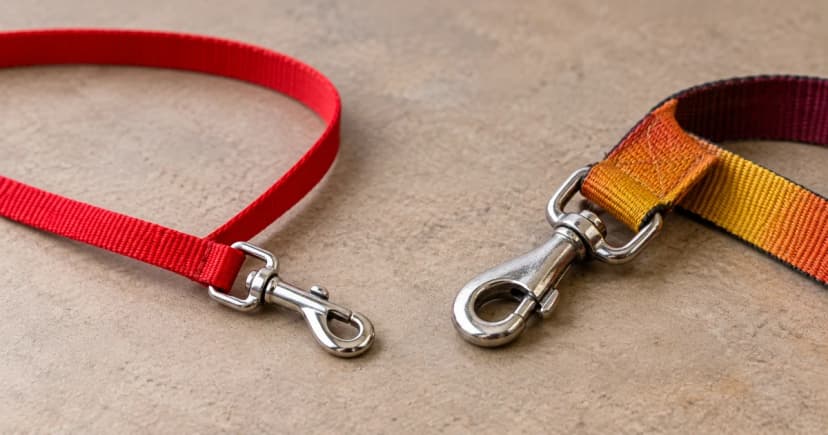
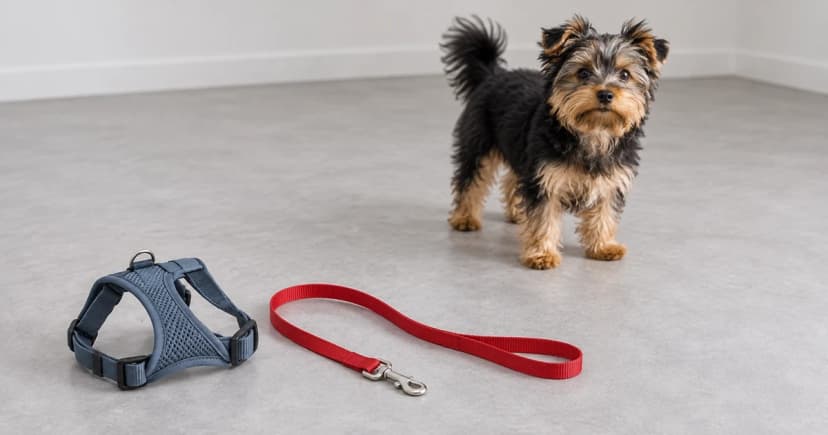
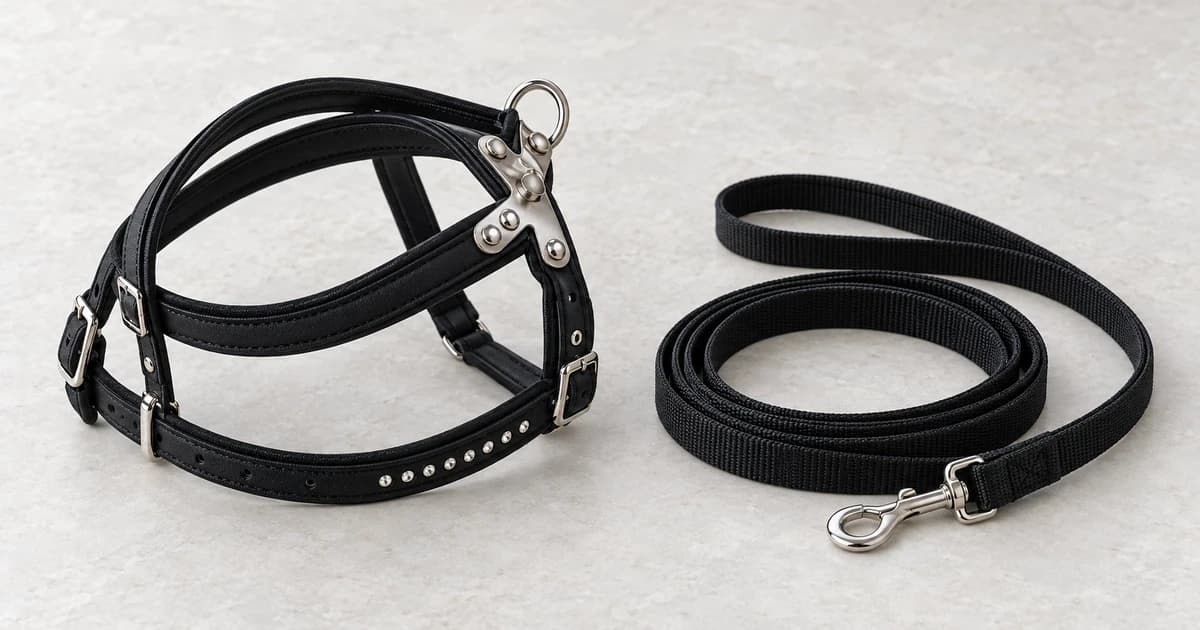
Before practising, confirm that your dog's harness fits comfortably without chafing shoulders; see our harness measurement guide, harness dressing guide, and front-clip harness explanation. When comparing standard leashes, remember that a fixed-length dog leash or front-clip harness is a management aid—it does not replace rewarding slack steps before tension starts.