Choosing bird cages
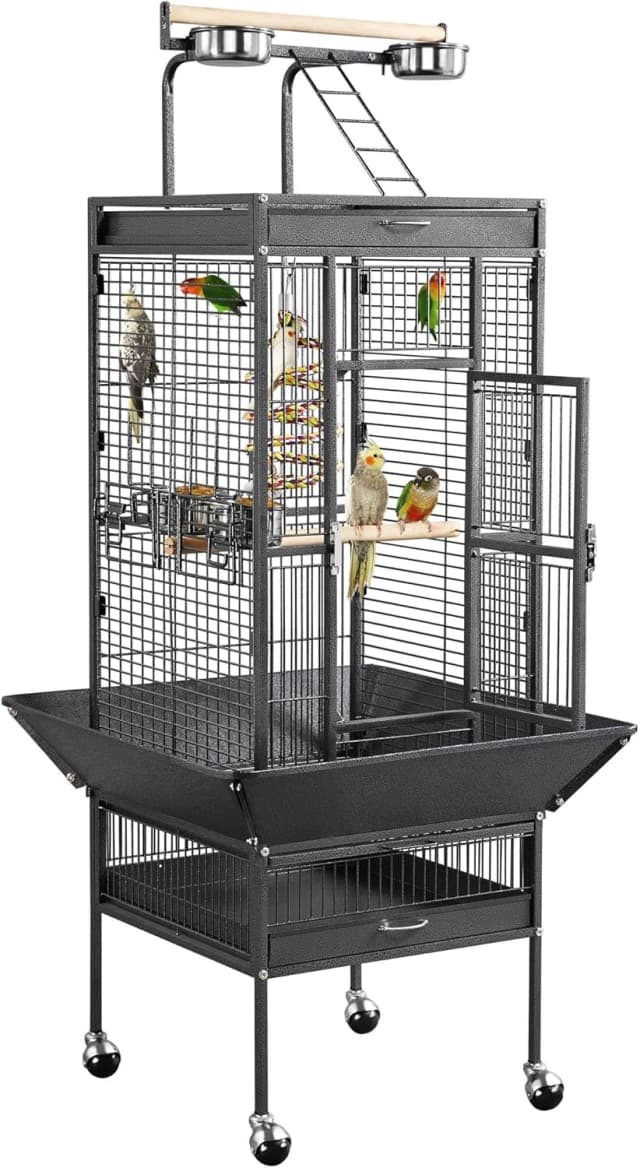
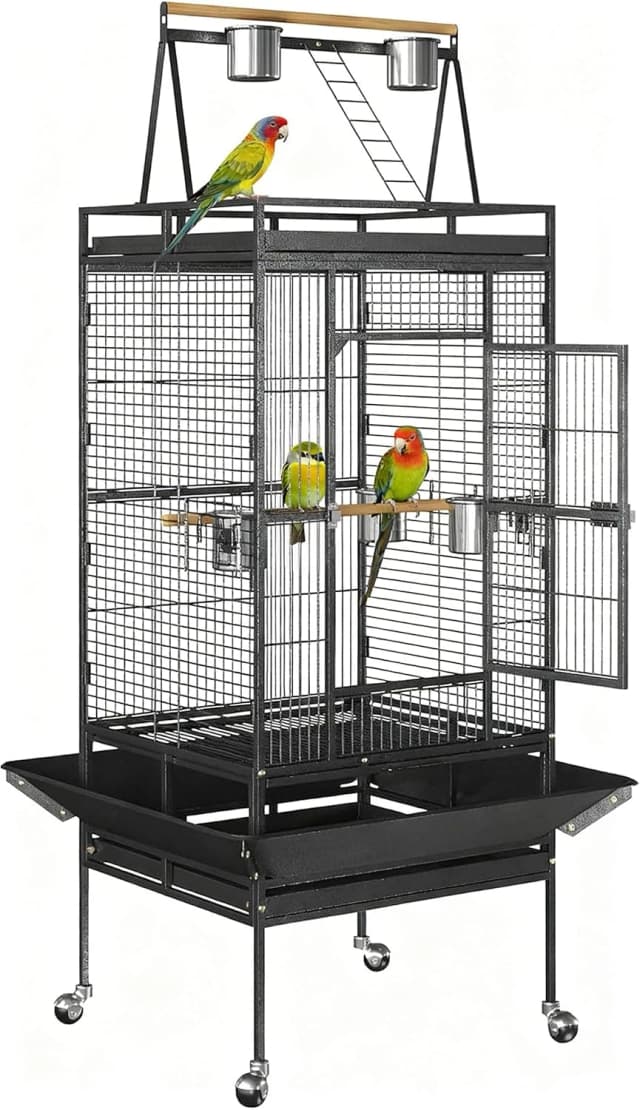
Plan the usable living area using the adult animal's measurements and the space needed for furnishings. Check openings, latches and ventilation, plus clearance for routine access and cleaning. A bird cage with playtop needs usable room above the enclosure and a way to clean the upper tray.
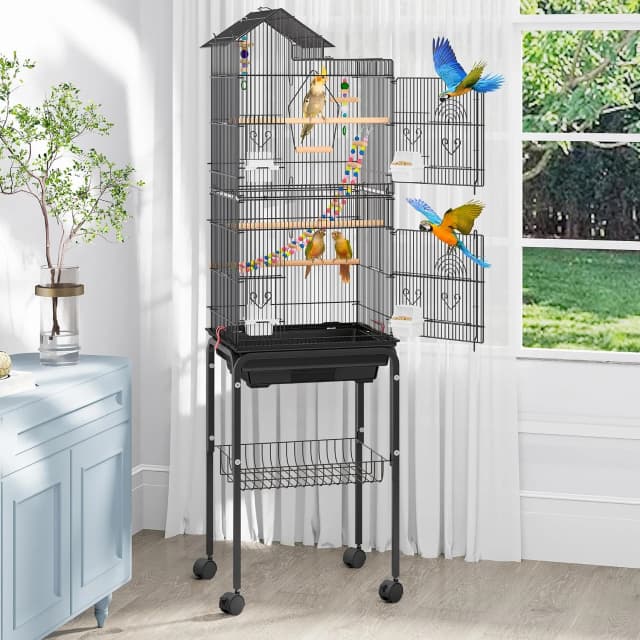
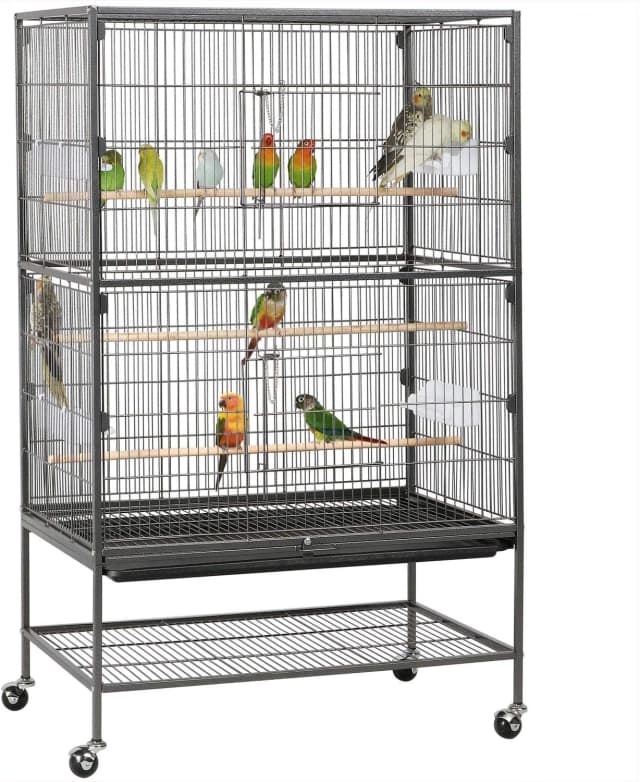
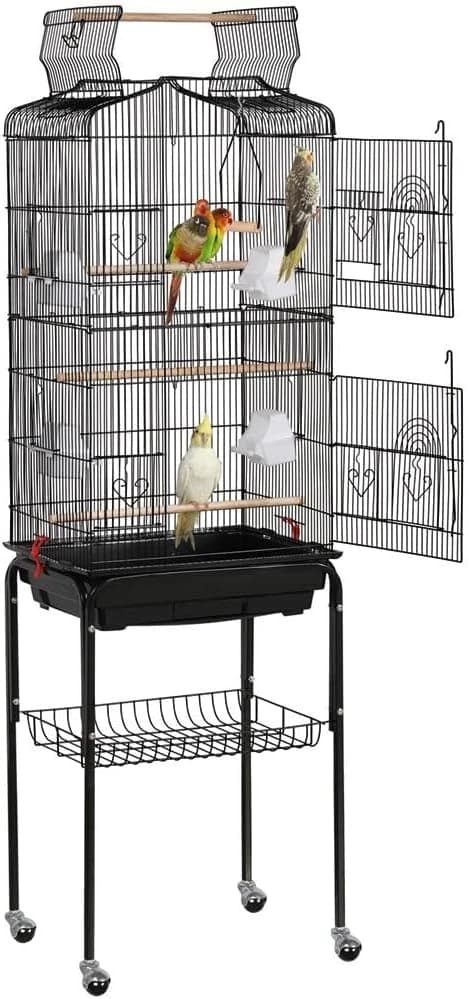
Useful details to compare include bird species, bar spacing, dimensions, latches, and construction materials. Use product-specific measurements and compatibility details to narrow the choice for your setup. A bird cage with wheels also needs secure wheel locks and clearance to move without tipping.
Match the design to your setup
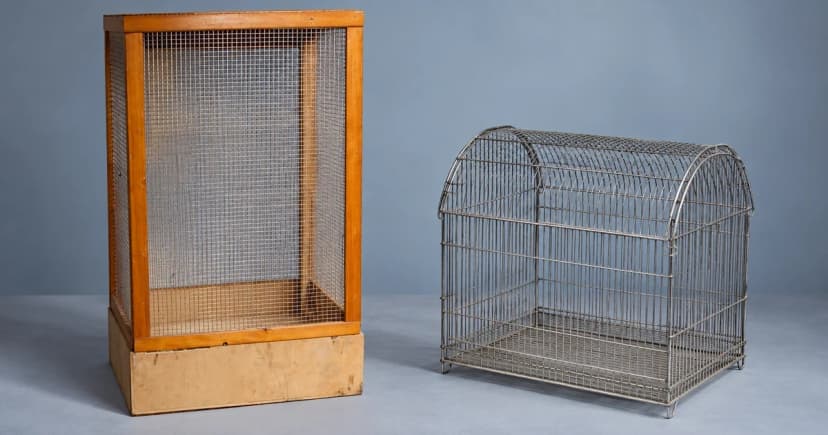
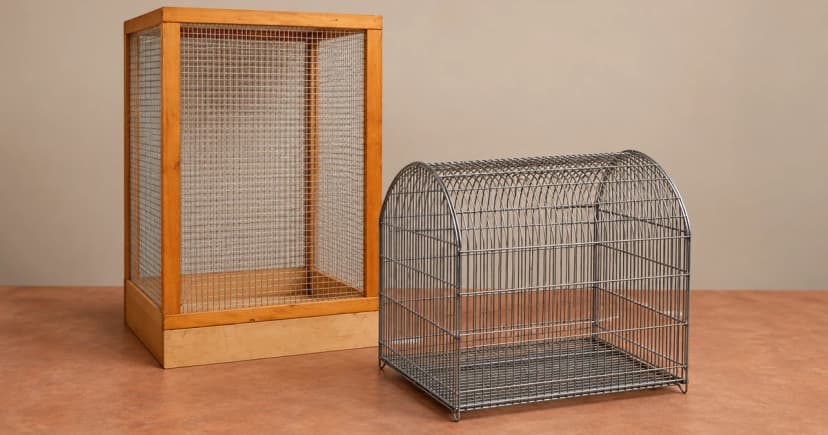
When comparing a stainless steel bird cage with a wooden bird cage, read each model's material specification and check how the contact surfaces are cleaned or replaced. With stainless steel bird cages, verify the material of the bars, welds and fittings rather than relying on the finish color.
When comparing a bird cage for parakeets, check the listed dimensions, intended use and care instructions for each individual design. Choose liners for bird cages that suit the tray and the maker's cleaning instructions; keep replacement parts for bird cages tied to the actual model.
A large cockatoo bird cage needs usable dimensions that suit the individual bird and intended furnishings. Check movement clearance and species-specific requirements instead of relying on the size label alone. Size labels cannot replace species-specific checks of flying or climbing space and bar spacing.
Match bird cage spare parts by model number, dimensions and attachment design before ordering fitted components. Similar-looking brackets or latches should not be assumed interchangeable.
Compare panel spacing, mounting requirements and materials with the intended species, location and supervision arrangements.
For related equipment, explore bird cages & habitat and compare how the pieces fit your routine.