Choosing small pet indoor cages
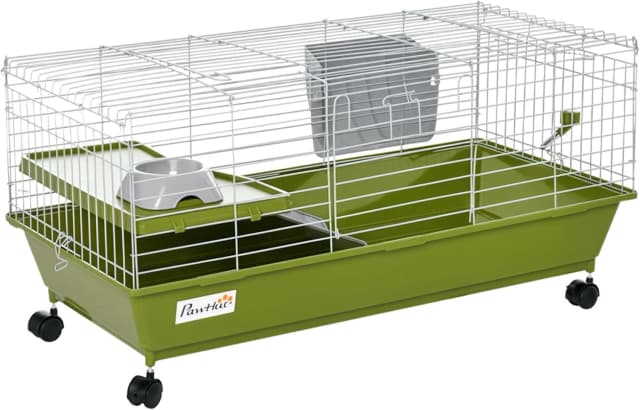
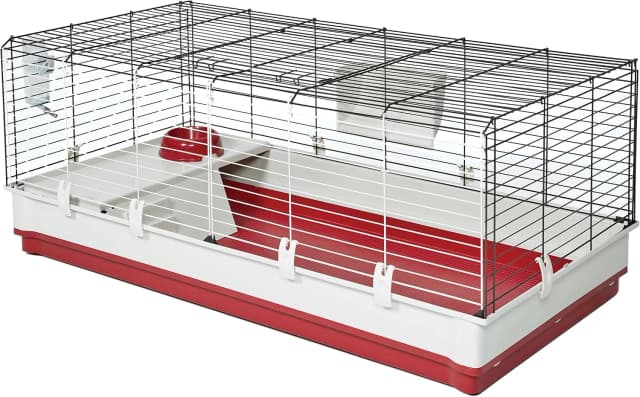
Plan the usable living area using the adult animal's measurements and the space needed for furnishings. Check openings, latches and ventilation, plus clearance for routine access and cleaning. A rabbit cage with pull out tray needs enough space outside the enclosure to remove the tray fully. A two storey rabbit cage or a stackable rabbit cage with trays needs safe access and cleaning arrangements for each level; stacking does not automatically make the whole structure one usable living area.
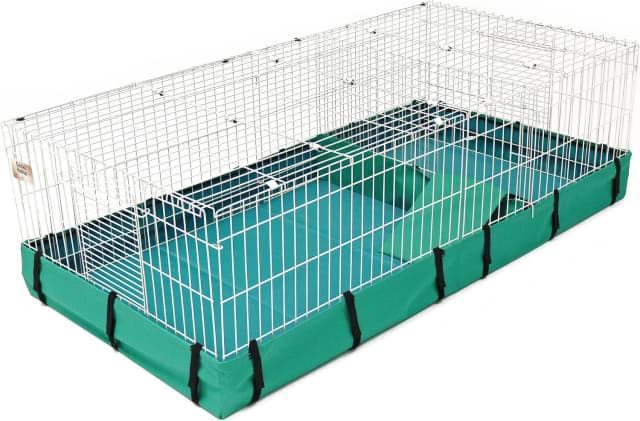
Useful details to compare include species requirements, usable floor area, mesh spacing, height, and ventilation. Use product-specific measurements and compatibility details to narrow the choice for your setup. A rabbit cage with playpen should have a secure connecting route and a suitable floor at the join. A rabbit cage water bottle, rabbit cage litter box and bedding must leave room for the animal to move normally.
Compare panel spacing, mounting requirements and materials with the intended species, location and supervision arrangements. In wire rabbit cages, inspect the floor separately from the side panels, and follow the maker's instructions for liners and resting surfaces. Check the usable space in an extra large rabbit cage rather than relying on the label.
For related equipment, explore small pet cages & habitats and compare how the pieces fit your routine.