Choosing dog harnesses
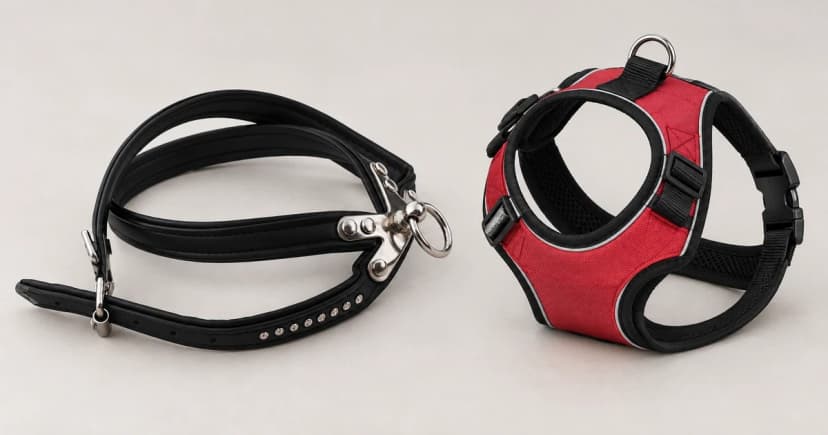
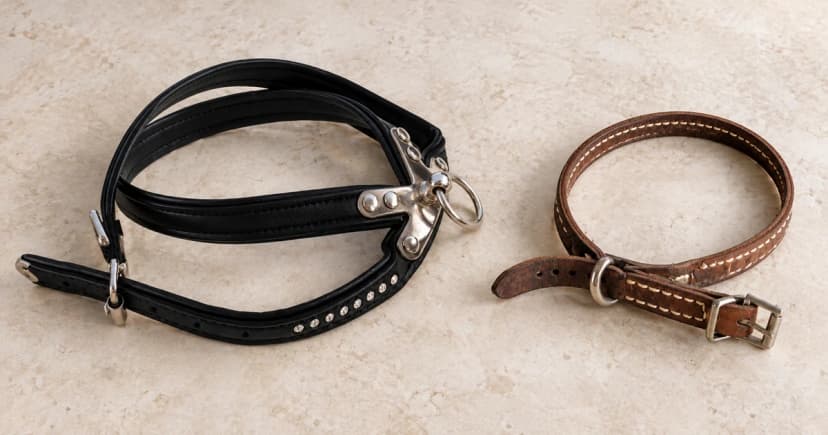
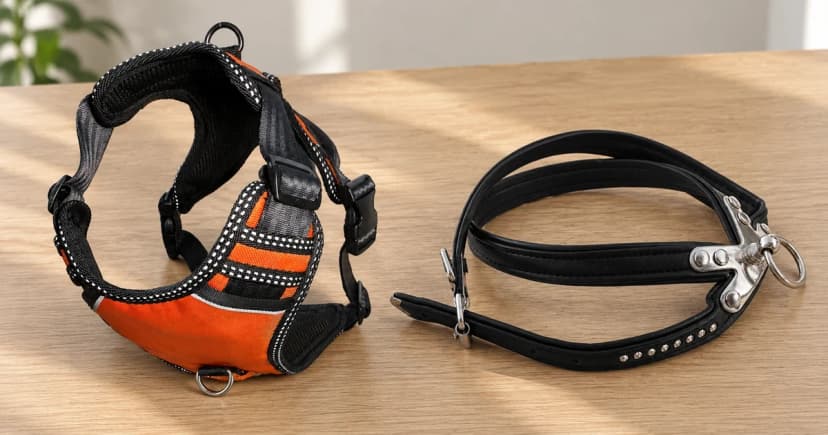
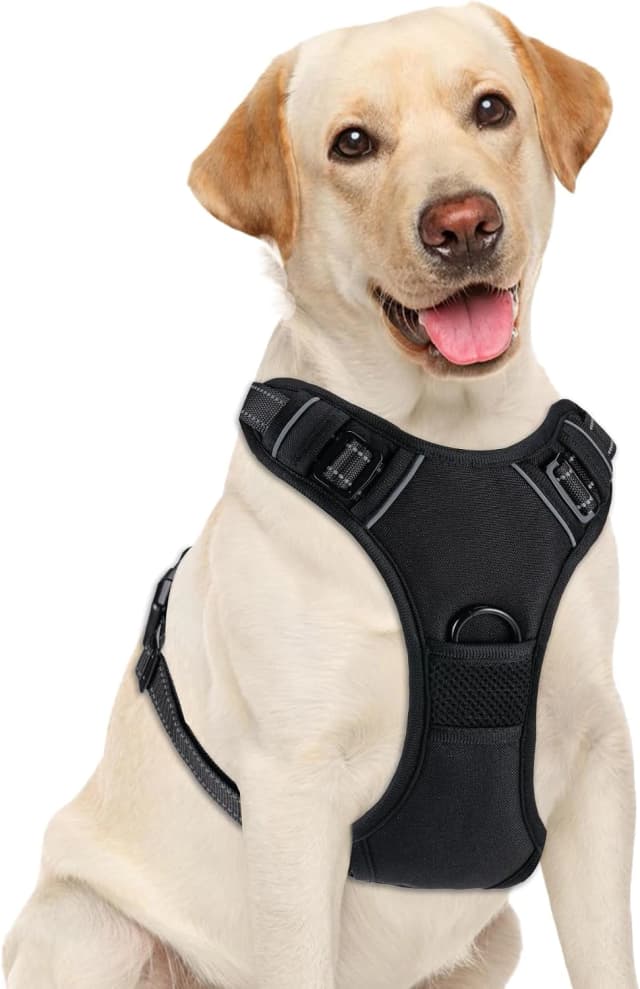
Use current body measurements and the maker's size chart rather than relying on a breed label alone. Compare adjustment points, fasteners and the intended attachment method for the planned activity. A front clip dog harness places the leash connection differently from a rear attachment; check the stated ring and fitting instructions before using either.
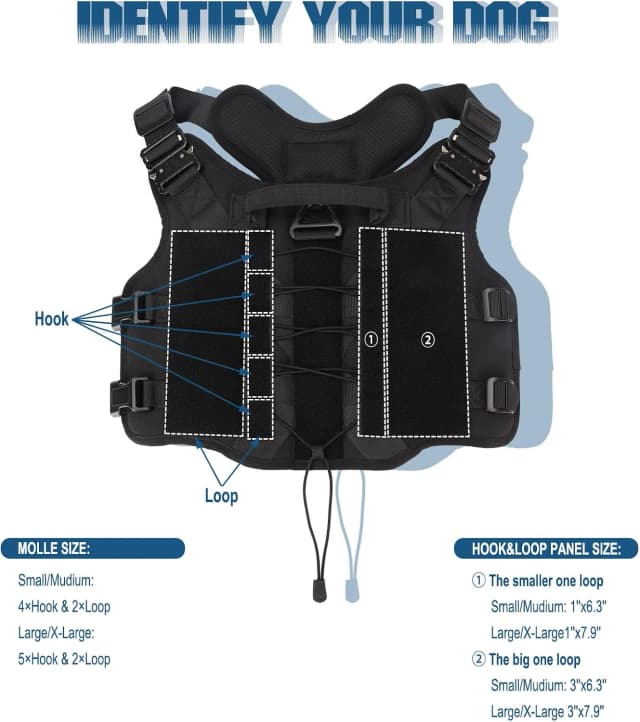
Useful details to compare include neck measurement, chest measurement, weight range, length, and attachment points. Use product-specific measurements and compatibility details to narrow the choice for your setup. A step in dog harness needs the correct leg openings and adjustment route.
Match the design to your setup
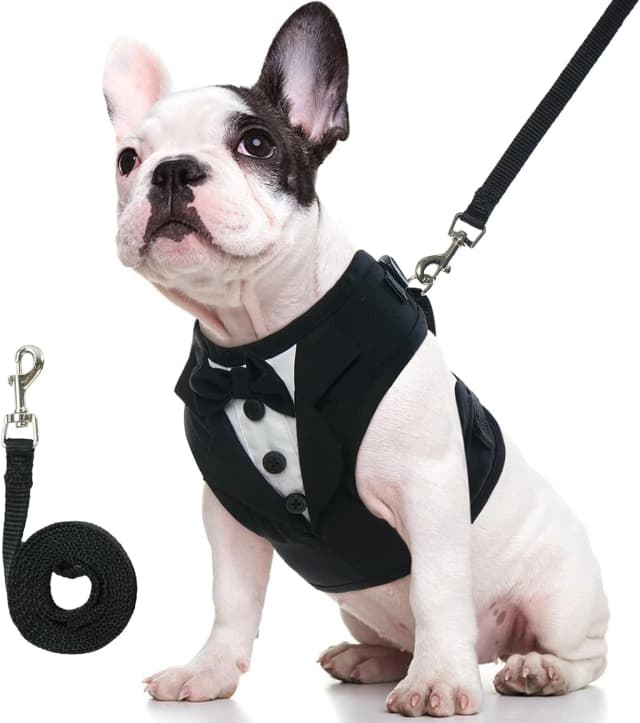
When comparing a dog harness, check the listed dimensions, intended use and care instructions for each individual design. For a dog harness for a Dachshund or a French Bulldog, check the individual chest, neck and body shape rather than relying on the breed name.
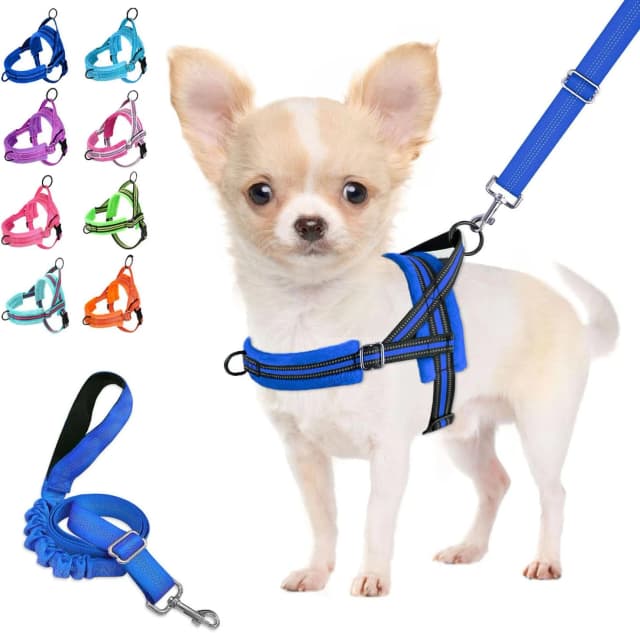
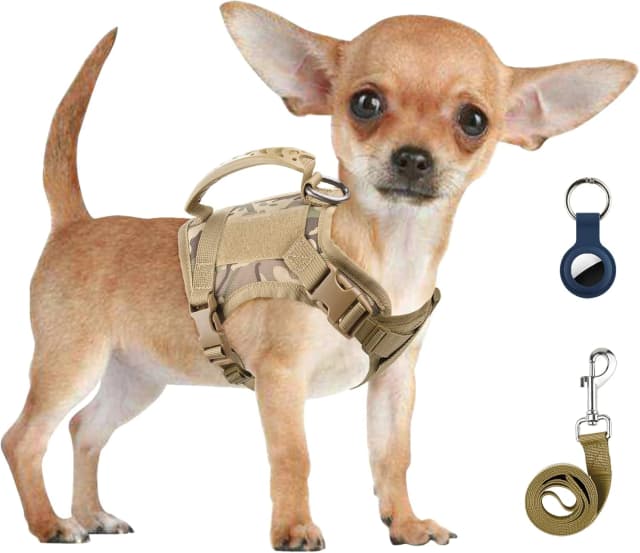
For a dog harness for small dogs, check the stated size and use guidance for the intended animal, and compare the product's working dimensions. A dog coat with built in harness must have its own rated attachment instructions; a leash opening in an ordinary coat does not establish an integrated restraint.
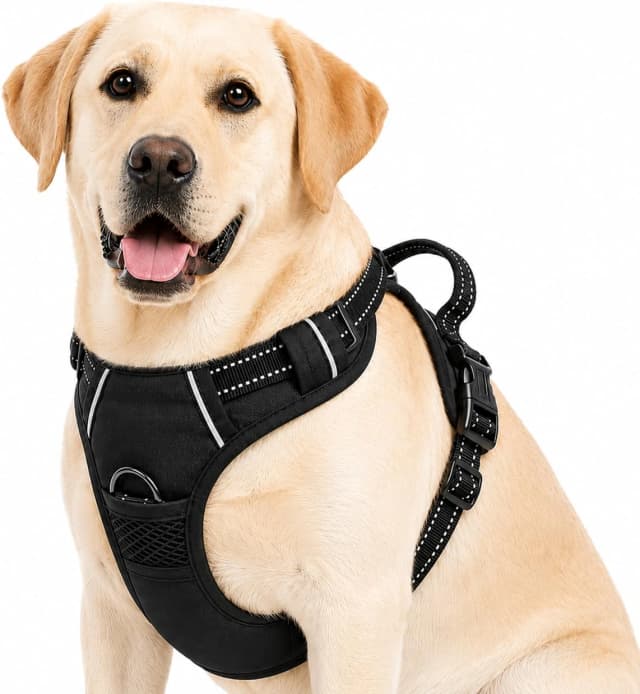
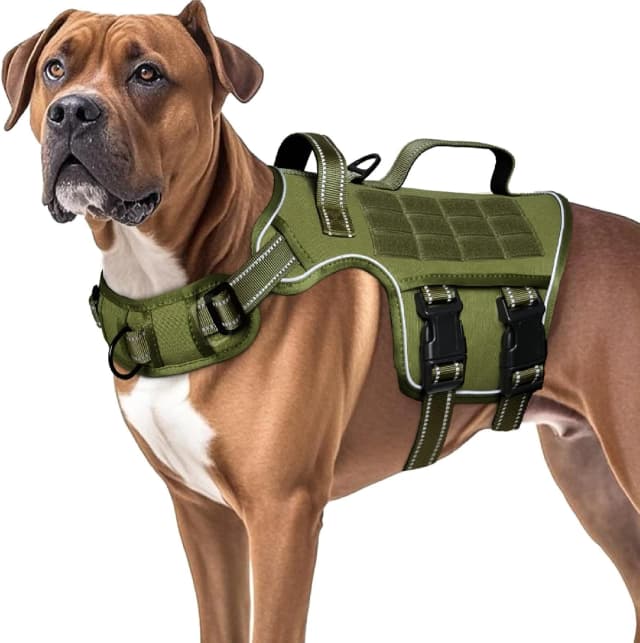
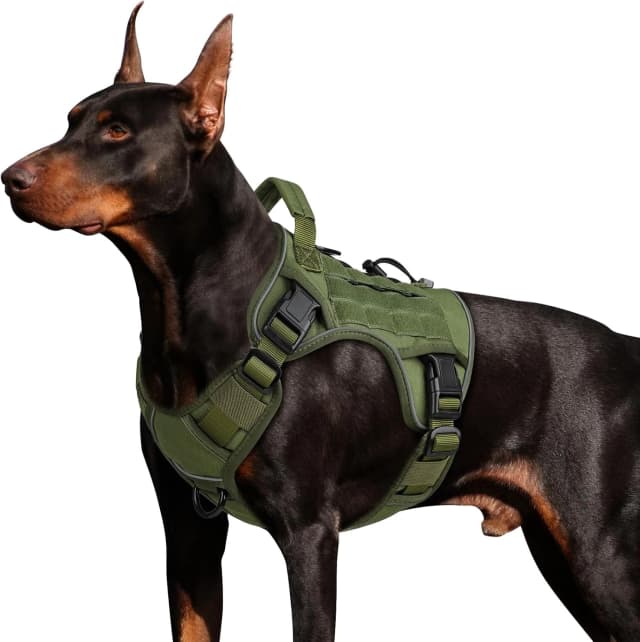
For a dog harness for large dogs, compare usable dimensions with the space and task the product is intended for.
For a modern dog harness, compare the usable dimensions and construction alongside the decorative style.
When comparing a cotton dog harness, read the actual material specification and check how the contact surfaces are cleaned or replaced.
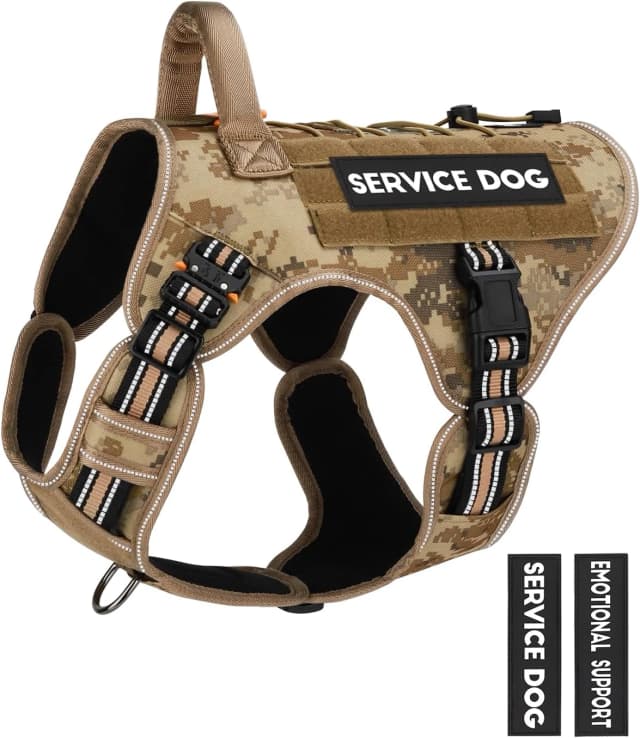
Check where straps or hardware sit during movement, and review the product's fitting and care instructions before use.
For related equipment, explore dog collars, harnesses & leashes and compare how the pieces fit your routine.