Choosing dog toys & enrichment
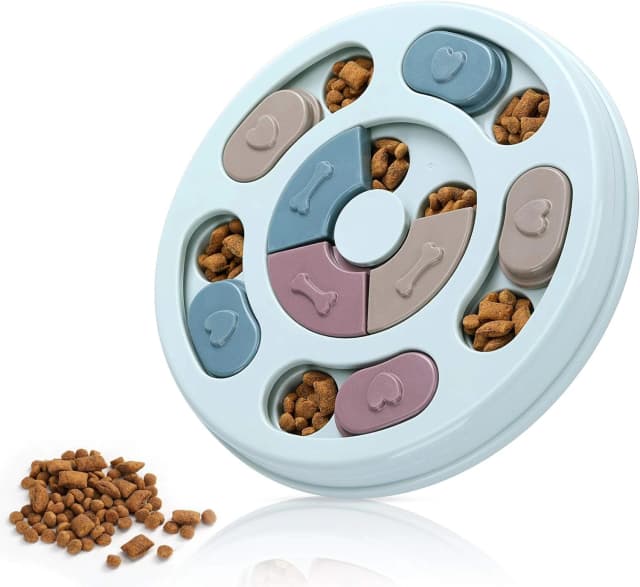
Match the equipment to the animal's size and play style, then compare openings, moving pieces and attachment details. Size labels alone do not describe how an animal will use a particular design. Dog fetch toys need enough clear space for chasing and returning; enrichment toys for dogs built around searching, licking or supervised chewing require different handling.
Match the design to your setup
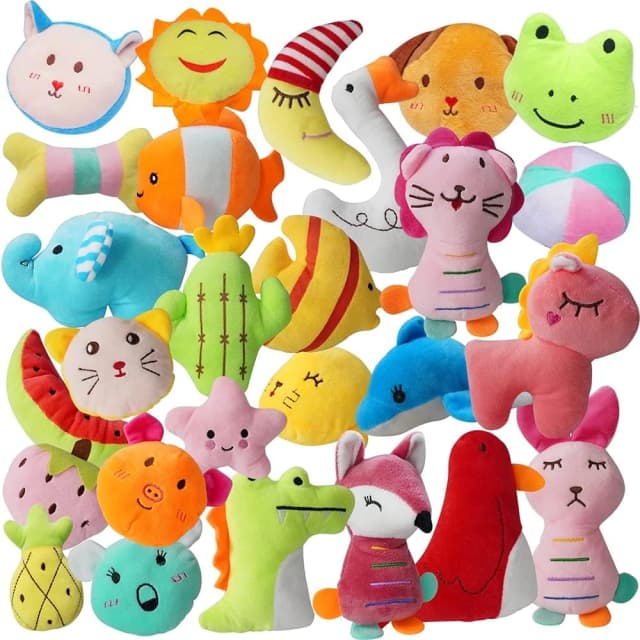
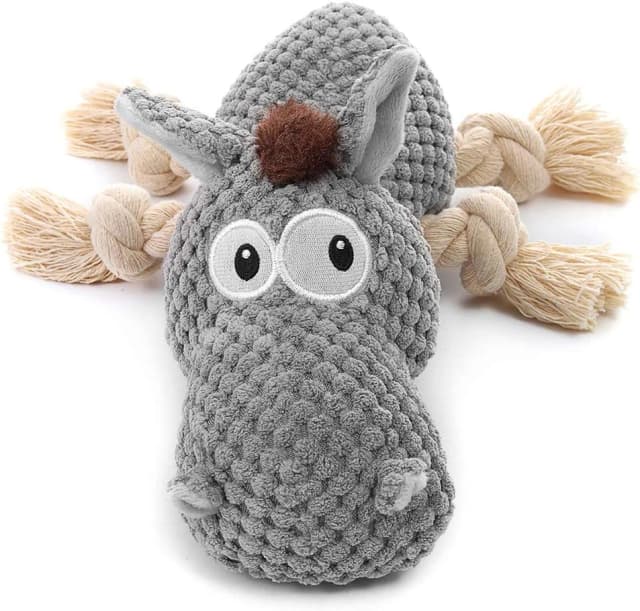
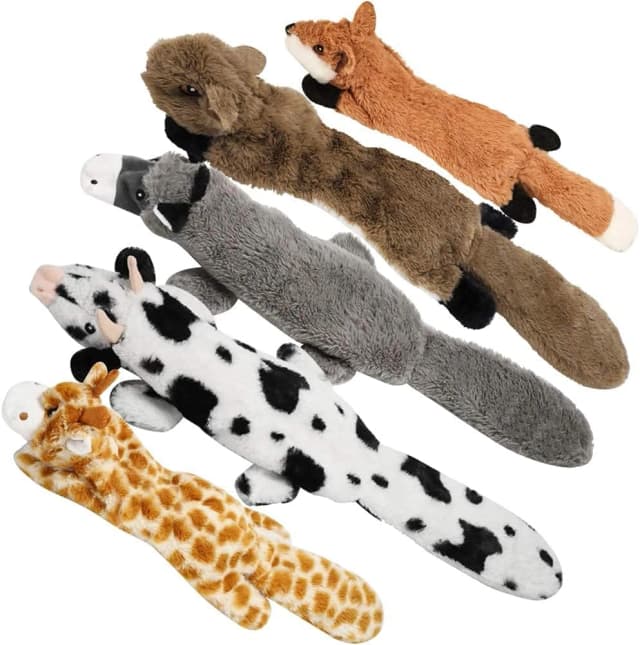
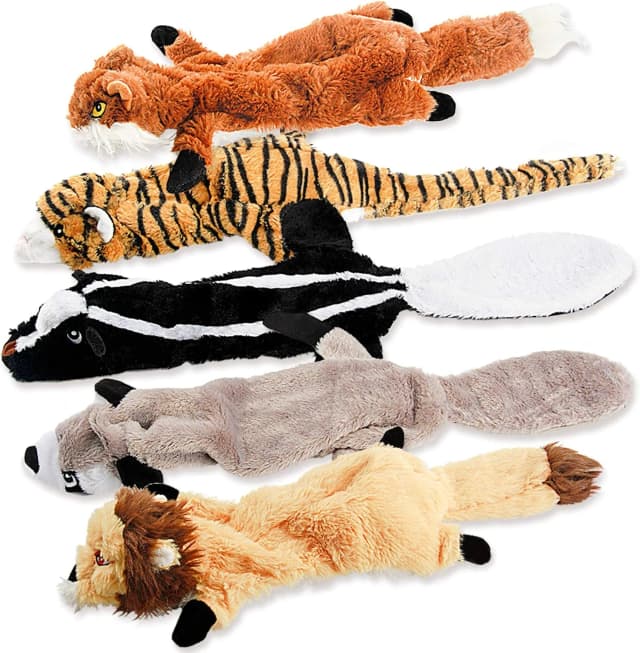
Choose doggy toys by how the dog will use them: check the play mechanism, toy dimensions and detachable parts, then follow the maker's supervision and cleaning instructions. Dog toys without stuffing still need seam and sound-unit inspection, along with checks of any other detachable parts.
For toys for puppy dogs, compare the toy's dimensions, material and firmness with the individual animal's size and play style, and read the maker's age and supervision guidance. Extra small dog toys must remain an appropriate size for the individual animal; a breed label is not a substitute for that check.
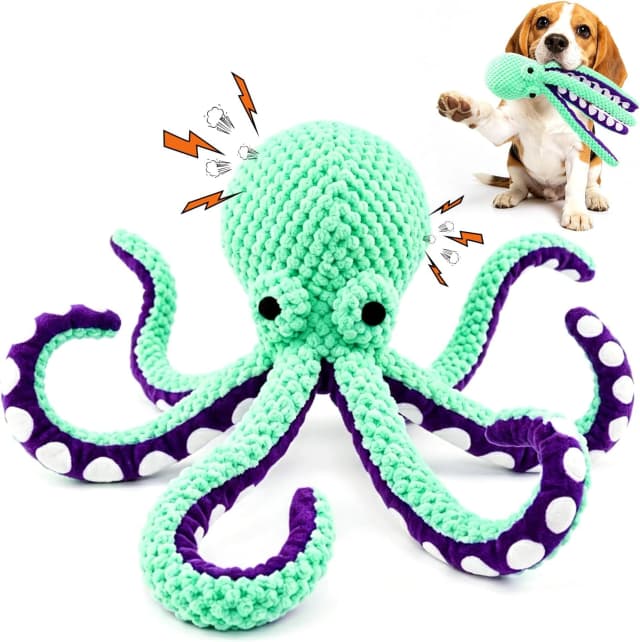
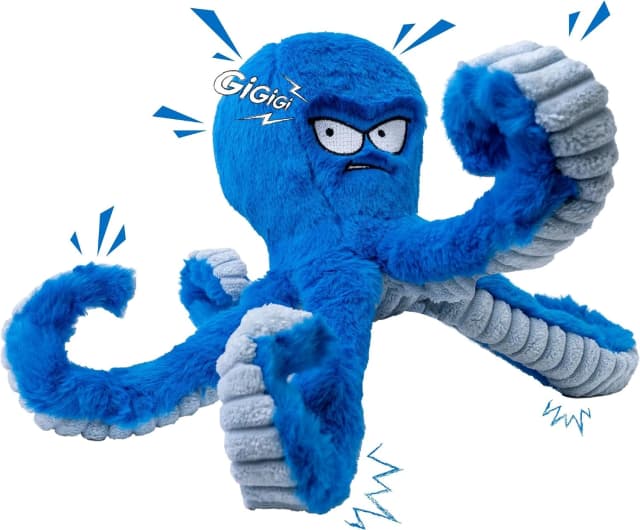
When choosing a blue octopus dog toy, compare the play mechanism, toy dimensions and detachable parts, and follow the maker's supervision and cleaning instructions. Dog toys for little dogs and tough chewer dog toys should be chosen by the maker's size and chewing limits, not by the dog's enthusiasm alone.
For a large octopus dog toy, compare the toy's dimensions, material and firmness with the individual animal's size and play style, and read the maker's age and supervision guidance. Silent squeaker dog toys need their sound mechanism explained rather than being assumed completely noiseless.
Read the supervision instructions, inspect parts during use and check whether worn pieces or attachments can be replaced.
Continue with Chew Toys, Plush Toys, Squeaky Toys, Fetch Balls, Flying Discs, and Rope & Tug Toys to compare the equipment for a more specific task.